Pests
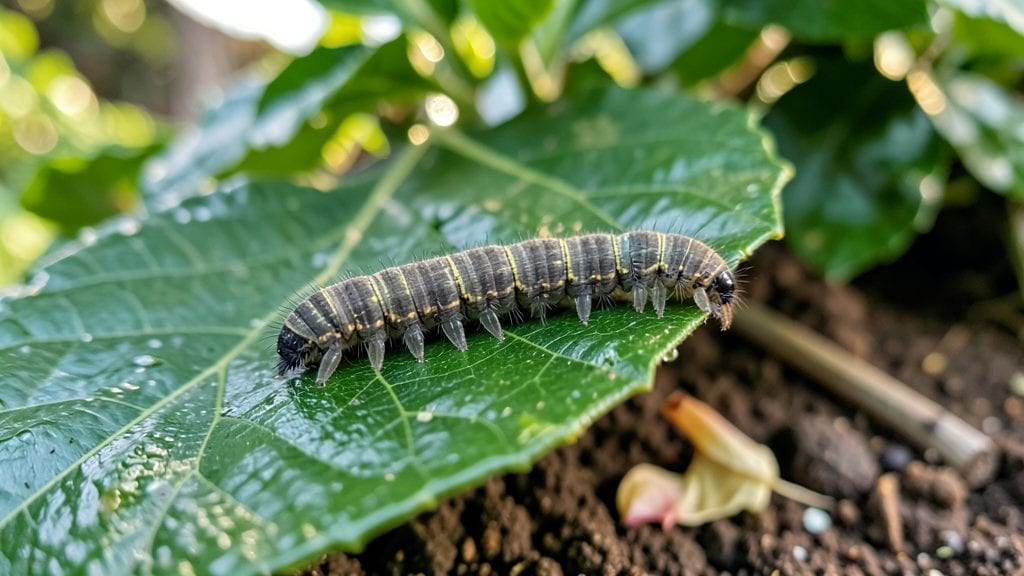
Hibiscus worms can turn your lush blooms into skeleton leaves overnight. 🌿 I’ve fought these sneaky pests in my own garden, and the organic tricks I’ve learned save plants without harsh chemicals. The key is catching them early—before they hollow out stems or strip leaves.
Most hibiscus worms are actually cutworms or loopers, dropping from leaves at dusk. I’ve used sticky traps under plants to catch them red-handed, plus a homemade spray of neem oil and water that disrupts their life cycle. The best part? These methods work fast—you’ll see fewer chewed leaves within days.
Your hibiscus will bounce back with fewer holes and more vibrant blooms. The secret is consistency: check plants weekly, remove eggs by hand, and keep the soil moist but not soggy. Once you spot the first signs, act fast—these pests multiply quickly.
Perfect for home gardeners who want to protect their plants naturally. No need for store-bought pesticides—just a few simple tools and a watchful eye. Let’s get those worms out of your hibiscus for good!
Root Causes Of Worm Infestations
Understanding why worms invade your hibiscus plants is the first step to preventing and treating them effectively. These tiny pests don’t just appear out of nowhere—they’re drawn to specific conditions that make your plants a perfect buffet.
Let’s break down the most common reasons your hibiscus might be hosting an unwanted worm party.
Worms, especially root-feeding varieties like hibiscus root-knot nematodes or cutworms, thrive in nutrient-rich, poorly drained soil.
Here’s why: - Excess nitrogen (from over-fertilizing) makes plants soft and tender, making them easier targets for chewing pests. - Compacted or waterlogged soil reduces beneficial microbes and fungi, weakening the plant’s defenses while creating ideal hiding spots for larvae. - Lack of organic matter (like compost) leaves soil vulnerable to pests, as worms seek out stressed or malnourished roots.
Actionable fix: Test your soil’s pH and nutrient levels (ideal range: 6.0–6.5). Amend with well-aged compost and avoid heavy nitrogen fertilizers. Drainage issues? Add perlite or sand to improve aeration.
Many hibiscus worms aren’t permanent residents—they’re seasonal visitors with specific life stages that align with your plant’s growth.
For example: - Cutworms (which girdle stems) are most active at dusk and dawn during warm, humid months (spring/fall). - Nematodes (microscopic but destructive) lay eggs in soil that hatch when temperatures rise above 60°F (15°C). - Hibiscus borers (larvae of moths/beetles) target stressed plants, often after prolonged heatwaves or drought.
Actionable fix: Monitor your plants during twilight hours for signs of chewing damage. Use row covers in early spring to block moths from laying eggs, and mulch with diatomaceous earth to disrupt nematode life cycles.
Stressed hibiscus plants are like neon signs for pests.
Common stressors include: - Overwatering or underwatering – Both create weak roots. Wilting leaves signal thirst, while yellowing foliage often means root rot (a worm magnet). - Sudden temperature shifts – Cold snaps or scorching heat weaken plants, making them easier prey. - Physical damage – Pruning wounds or hail can introduce entry points for larvae.
Actionable fix: Maintain consistent moisture (check soil 1–2 inches deep—it should be damp, not soggy). Use mulch to regulate soil temperature and retain humidity. Avoid heavy pruning during pest-active seasons.
Worms and their eggs can hitchhike on:
- Garden tools (pruners, trowels) moved between infected and healthy plants.
- Potting mix or compost containing dormant larvae.
- Adjacent plants acting as pest reservoirs (e.g., tomatoes, peppers, or other hibiscus nearby).
Actionable fix: Sanitize tools with 70% isopropyl alcohol or a 10% bleach solution between uses. Quarantine new plants for 2–4 weeks before introducing them to your garden. Remove severely infested plants immediately to prevent spread.
In a healthy ecosystem, natural predators (like ladybugs, parasitic wasps, or nematode-eating fungi) keep worm populations in check.
When these helpers are missing: - Synthetic pesticides (even years earlier) can disrupt the food chain. - Monoculture gardening (planting only hibiscus) removes biodiversity that supports predators. - Over-tidy gardens eliminate ground covers where beneficial insects hide.
Actionable fix: Encourage predators by:
- Planting companion plants like marigolds, basil, or dill (they repel pests and attract wasps).
- Avoiding broad-spectrum pesticides—opt for neem oil or Bt (Bacillus thuringiensis) instead.
- Adding habitat features like leaf litter piles or small water sources for beneficial insects.
Fixing Worms in Hibiscus Plants
Once you’ve identified the culprits—whether it’s hibiscus worms (like the dreaded hibiscus looper or tomato hornworm), aphids, or other pests—it’s time to act. The good news? You can tackle these invaders organically without harsh chemicals.
Below, we’ve mapped out practical, step-by-step solutions tailored to the most common causes of worm damage in your hibiscus, plus prevention tips to keep your plant thriving.
Cause: Large caterpillars (like tomato hornworms or hibiscus loopers) are easy to spot and can defoliate your plant in days.
How to Fix It:
- 👨🍳 Inspect Early & Often – Check your hibiscus every 2–3 days, especially after rain or in warm weather. Worms are most active in the morning or evening.
- 🔪 Drop Them in Soapy Water – Wear gloves, then gently pluck worms off leaves and stems. Place them in a bucket of soapy water (1 tsp dish soap per gallon) to kill them instantly.
- 🌿 Focus on New Growth – Worms love tender leaves, so prioritize young shoots and flowers.
💡 Pro Tip: If you spot eggs (tiny green or yellow clusters), scrape them off with your fingernail and flush them down the toilet.
Cause: Small larvae, aphids, or eggs hiding in leaf folds that handpicking misses.
How to Fix It: Use these DIY sprays (test on a small leaf first to avoid damage):
| Spray Solution | How to Use | Best For |
|---|---|---|
| Neem Oil Mix | 1 tbsp neem oil + 1 tsp mild soap + 1 quart water. Spray evenly on undersides of leaves. | Caterpillars, aphids, eggs |
| Garlic Pepper Spray | Blend 5 garlic cloves + 1 tsp cayenne pepper + 1 quart water. Strain and spray. | Soft-bodied pests (aphids, mites) |
| Insecticidal Soap | 1.5 tbsp liquid soap (like Castile) + 1 quart water. Spray directly on pests. | Young worms, aphids |
⏰ Timing Matters:
- Spray in the evening to avoid harming bees.
- Reapply every 5–7 days or after rain.
🌡️ Pro Tip: For severe infestations, combine neem oil + kaolin clay (1 tbsp clay + 1 gallon water) to create a protective barrier.
Cause: Worms thrive when their predators (like birds, ladybugs, or parasitic wasps) are scarce.
How to Fix It:
- 🐞 Attract Beneficial Insects – Plant marigolds, dill, or alyssum nearby to lure ladybugs and lacewings, which eat hibiscus worms.
- 🐦 Install a Bird Feeder – Birds like chickadees and wrens love munching on caterpillars. Place feeders 10–15 feet from your hibiscus.
- 🔍 Release Parasitic Wasps – Order Braconid wasps (available online) to lay eggs inside worm larvae—nature’s pest control!
✨ Pro Tip: Avoid pesticides—even organic ones—if you want to preserve predator populations.
Cause: Weak, nutrient-deficient plants are more vulnerable to worm attacks.
How to Fix It:
- 💪 Fertilize Right – Use a balanced organic fertilizer (like fish emulsion or compost tea) every 4–6 weeks during growing season.
- 🌧️ Water at the Base – Avoid wetting leaves (encourages fungal issues and attracts pests). Water early in the day so foliage dries quickly.
- 🪴 Prune for Airflow – Trim crowded branches to improve circulation—worms and fungi love damp, shaded areas.
🎯 Pro Tip: Mulch with wood chips to retain moisture and deter pests naturally.
Once your hibiscus is worm-free, lock in those gains with these low-effort habits:
- 🕵️♂️ Monitor Regularly – A 5-minute weekly check can catch infestations before they explode.
- 🍃 Rotate Plant Locations – If possible, move potted hibiscus every few months to disrupt worm life cycles.
- 🌿 Companion Planting – Grow basil, thyme, or lavender near hibiscus—their scents repel pests.
- 🧼 Clean Up Debris – Remove fallen leaves and spent blooms where eggs/worms hide.
Final Thought: Worms in hibiscus are manageable with the right approach—combine handpicking, sprays, and prevention for the best results. Your plant will bounce back stronger and healthier in no time! 🌿💚
Frequently asked questions
What are the most common types of worms attacking hibiscus plants?
Hibiscus plants often face cutworms (green or brown larvae that chew stems at soil level) and hibiscus loopers (green caterpillars that create ragged holes in leaves). Root-knot nematodes (microscopic worms) also attack roots, causing stunted growth. The key is identifying their damage: chewed leaves or wilting plants signal above-ground pests, while yellowing leaves or poor blooming point to root issues.
How do I know if my hibiscus has a worm problem before I see the pests?
Watch for irregular holes in leaves, chewed stems, or stunted growth—these are red flags. Early signs include silver trails (slime from caterpillars) or tiny black specks (frass, or worm droppings) on foliage. Check leaf undersides at dawn/dusk when worms are most active. Root-knot nematodes may cause gall-like bumps on roots when you repot.
Can I use coffee grounds to get rid of hibiscus worms?
Coffee grounds help repel some pests (like slugs) and improve soil, but they’re not a direct worm killer. For better results, mix coffee grounds with diatomaceous earth (food-grade) and sprinkle around the base of your hibiscus. The gritty texture damages worm exoskeletons, while the caffeine deters egg-laying. Reapply after rain, as moisture reduces effectiveness.
Will my hibiscus recover if I remove the worms early?
Yes! Hibiscus are resilient—if you catch worms before they defoliate 30% of leaves, your plant can fully recover. Prune damaged foliage, apply neem oil (1 tbsp per quart of water), and keep the plant well-watered. New growth will emerge within 2–3 weeks. For severe cases, trim back affected branches to encourage bushier, healthier regrowth.