
Companion Plants
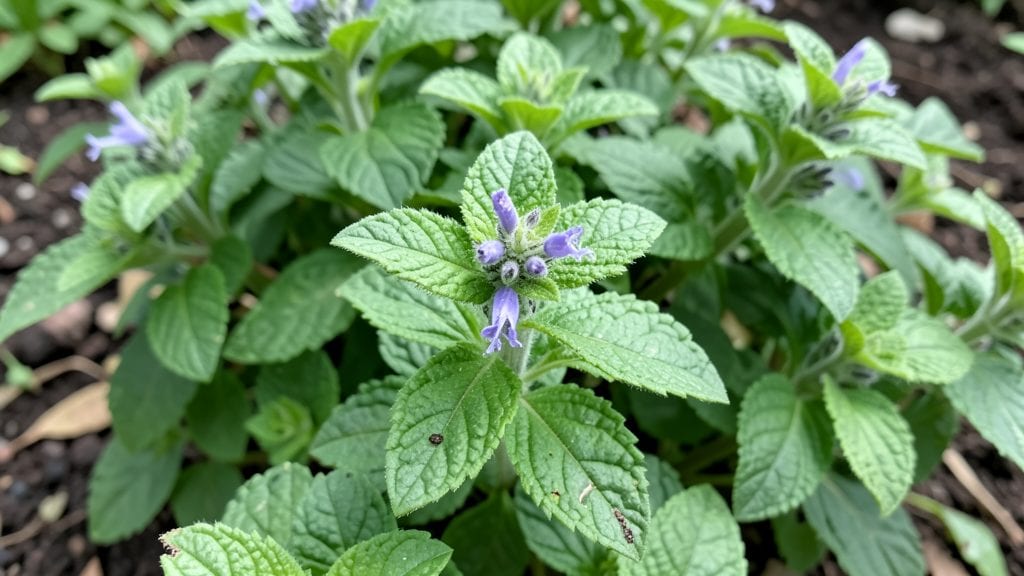
Hornet repellent plants saved my backyard barbecues last summer when a nest moved into the oak tree. 🌿 These fragrant workhorses don't just mask odors—they actively disrupt hornets' ability to find food and nesting sites, making them the unsung heroes of organic pest control.
My top three go-to plants—lavender, catmint, and wormwood—are tough, drought-resistant, and thrive in full sun. I planted them in a border around my patio and near the tree line, creating a natural barrier that kept the hornets away without chemicals.
The best part? They look beautiful doing it, with silvery foliage and purple blooms that hummingbirds adore.
You'll notice fewer hornets within weeks of planting, especially if you combine these with other repellent plants like mint or tansy. The secret lies in their strong scents—hornets avoid areas where they can't easily locate prey or establish nests.
Plus, these plants attract beneficial predators like ladybugs and lacewings that further protect your garden.
For maximum effectiveness, plant them in clusters along property edges, near entry points, or close to known hornet activity. They work year-round but peak in summer when hornets are most aggressive. Here's how to make them part of your pest-free strategy!
📚 In This Guide
- What you need
- Instructions
- Tips and common mistakes
- Wrapping up and next steps
What you need
- ● Hornet-repellent plants: Choose from these proven options (select 3–5 for best results): Lavender (5–10 plants, spaced 12–18 inches apart)
- ● Marigolds (10–15 plants, spaced 10–12 inches apart)
- ● Basil (5–8 plants, spaced 8–12 inches apart)
- ● Mint (3–5 plants, in containers to prevent spreading)
- ● Rosemary (3–5 plants, spaced 18–24 inches apart)
- ● Citronella grass (2–3 plants, in pots for mobility)
- ● Potting soil: 1–2 bags (for container plants or garden beds)
- ● Organic fertilizer: 1 small bag (balanced 10-10-10 or compost)
- ● Watering can or hose: With a gentle spray nozzle
- ○ Gloves (optional but recommended): For handling plants or soil
- ● Garden trowels or small shovel: For planting in soil
- ● Containers or pots: 4–6 (6–12 inches deep, with drainage holes) for plants like mint or citronella
- ● Pruning shears: For trimming plants to encourage bushiness
- ○ Mulch (optional): Straw or wood chips (1–2 bags) to retain moisture
- ● Sunlight access: Ensure your planting area gets at least 6 hours of sunlight daily
- ● Water source nearby: For consistent hydration (especially in dry climates)
Step-by-Step guide to planting hornet-repelling natural barriers
Here's how to create a living hornet deterrent zone that works year-round.
🌱 Step 1: Select and Plant High-Impact Repellent Species
Start with 4 plants from this proven lineup: rosemary, mint, citronella, and wormwood. These powerhouses contain natural oils that hornets dislike. Plant them in a 12-inch deep container or directly in the ground along property edges, near patios, or close to hive-prone areas like trash bins.
Space plants 18-24 inches apart to create an unbroken scent barrier. I like to group them in clusters of two—rosemary and mint together, citronella and wormwood together—for maximum repellent effect. The stronger the scent concentration, the better the deterrent. Water immediately after planting to help roots establish quickly.
☀️ Step 2: Position for Maximum Scent Diffusion
Place your repellent plants where they'll get 6+ hours of direct sun daily. Hornet-repelling oils are most potent in full sun. A south-facing border or containers on a sunny patio work best. If you're protecting a specific area like a grill station, position plants within 3 feet of the target zone—the closer, the better.
For containers, use unglazed terra cotta pots to let moisture evaporate through the sides, enhancing the scent release. I avoid plastic because it traps moisture and dulls the aromatic compounds. You'll notice the strongest scent diffusion on warm afternoons—this is when hornets are most active.
💧 Step 3: Maintain Healthy Growth for Continuous Protection
Water repellent plants deeply 2-3 times per week during dry spells, keeping the soil 1-2 inches moist but never soggy. Overwatering dilutes the essential oils that repel hornets. I check moisture by sticking my finger into the soil—if it feels dry at that depth, it's time to water.
Fertilize lightly with a balanced organic fertilizer every 6-8 weeks during growing season. Too much nitrogen makes plants soft and less aromatic. Prune regularly to encourage bushy growth—hornets are deterred by dense foliage. Snip back leggy stems in spring and trim spent flowers in fall to maintain potency.
✂️ Step 4: Refresh and Expand the Barrier Seasonally
In early spring, replace any winter-damaged plants and add new cuttings from existing ones. I take 4-inch tip cuttings from rosemary and mint, root them in water for 2 weeks, then transplant. This keeps your barrier strong without gaps. For perennial plants like wormwood, divide clumps every 2-3 years to rejuvenate growth.
By late summer, you may notice scent fading as plants mature. This is normal—simply prune back by one-third to stimulate fresh growth. For extra protection, add fresh citronella grass or lemongrass plants in containers near high-risk areas. The combination of these plants creates a multi-layered scent shield that hornets find overwhelming.
🪴 Step 5: Combine With Physical Barriers for Extra Defense
While repellent plants work wonders, I always pair them with physical deterrents for complete protection. Hang fine mesh screens over trash cans and compost bins—hornets are less likely to investigate when they can't access entry points. Place bird feeders strategically too; hornets avoid areas with active bird traffic.
For existing hornet nests, never attempt removal yourself. Instead, contact a professional pest control service immediately. Your repellent plants will help prevent new nests from forming, but established nests require safe, expert handling. With this dual approach, you'll create a hornet-free zone that lasts all season.
Tips & tricks for perfect hornet repellent planting
These simple strategies will help you create a powerful, long-lasting hornet deterrent that actually works.
Plant Placement Precision: In Step 1, when planting your 4 repellent plants, focus on creating a continuous barrier rather than isolated clusters. Hornets are less likely to cross scent boundaries, so position your plants along property edges or near high-risk areas like trash bins. I've found that placing them in a semi-circle around target zones (like grilling areas) creates a more effective barrier than straight lines. The scent diffusion works best when there are no gaps for hornets to slip through.
Sunlight Strategy: Step 2 emphasizes the importance of 6+ hours of direct sun daily, but here's the thing: morning sun is more effective than afternoon for hornet deterrence. Hornets are most active in the late morning and early afternoon, so positioning your plants to receive strong morning sunlight ensures the repellent oils are at peak potency during their active hours. If you're using containers, rotate them occasionally to ensure even sun exposure on all sides.
Watering Wisdom: The instructions mention watering deeply 2-3 times per week, but timing matters just as much as frequency. Water your repellent plants in the early morning when temperatures are cooler. This prevents rapid evaporation that could dilute those essential oils we're counting on. I've noticed that plants watered in the morning maintain their potent scent throughout the day, while afternoon watering can lead to soggy soil and reduced effectiveness by evening.
Pruning Power: Regular pruning in Step 3 isn't just about aesthetics—it's about maintaining that strong scent barrier. When you trim back leggy stems in spring, you're actually stimulating new growth that produces more of those hornet-repelling oils. I like to use clean, sharp pruning shears and make cuts just above a leaf node. This encourages bushier growth that creates a denser scent shield. Plus, the fresh cuts release even more aromatic compounds immediately after pruning.
Pro Tips for Hornet Repellent Plants
- These simple strategies will help you create a powerful, long-lasting hornet deterrent that actually works.
- Plant Placement Precision: In Step 1, when planting your 4 repellent plants, focus on creating a continuous barrier rather than isolated clusters.
- Sunlight Strategy: Step 2 emphasizes the importance of 6+ hours of direct sun daily, but here's the thing: morning sun is more effective than afternoon for hornet deterrence.
Frequently asked questions
Got questions about using hornet-repellent plants?
Here are some of the most common concerns—and their answers—so you can confidently create a natural barrier against these buzzing pests.
Which plants work best for keeping hornets away?
Top choices include geraniums (especially lemon-scented), lavender, marigolds, basil, and peppermint. These plants emit strong scents hornets dislike. For best results, plant them in clusters near entry points or nesting areas.
How long does it take for these plants to repel hornets?
Most plants start deterring hornets once they’re fully grown (typically 4–8 weeks after planting). Fast-acting options like basil or citronella may show effects sooner, but consistency is key—replant or refresh plants every 1–2 years for continuous protection.
Can I use these plants indoors to keep hornets out?
Yes! Potted lavender, mint, or geraniums near windows, doors, or patios can help. Place them in sunny spots and trim regularly to boost scent potency. For indoor spaces, consider essential oil diffusers with peppermint or eucalyptus for extra deterrence.
What if hornets don’t seem to be bothered by the plants?
Try rotating plants seasonally—hornets may adapt. Add physical barriers like mesh screens or fencing near nests. For stubborn infestations, combine plants with vinegar sprays (1:1 ratio with water) or professional pest control.
Are these plants safe for pets or kids?
Most hornet-repellent plants are non-toxic, but peppermint or lavender in large quantities can upset pets’ stomachs. Keep plants out of reach of curious pets or children. If in doubt, opt for geraniums or marigolds, which are generally safe.
Wrapping up and next steps
Nature offers a simple yet powerful way to keep hornets at bay—by planting repellent-friendly flora!
From marigolds to lavender, these plants act as natural deterrents while adding beauty to your garden. 🌿✨ By strategically placing them near entry points or vulnerable areas, you create a harmony between safety and aesthetics.
Ready to take action? Start small—pick one or two plants from our list and observe the difference! For a long-term solution, consider expanding your garden’s defenses with a mix of scents and textures. Your peaceful outdoor space is just a few seeds away!