Diseases
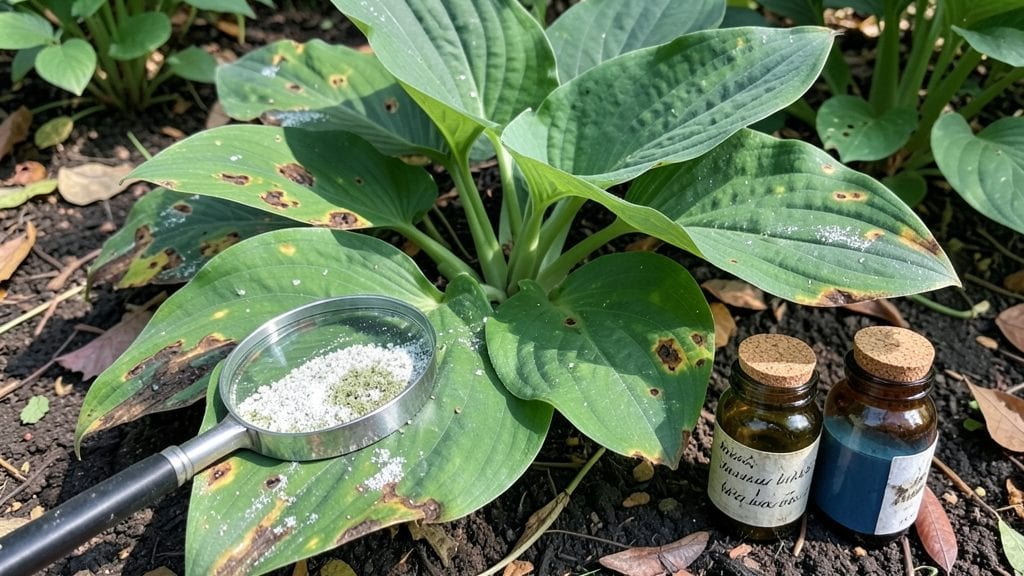
Those sad, brown patches on your hosta plants are telltale signs of fungal diseases—here’s how to spot and stop them before they wreck your garden beds. 🌿 I’ve seen it ruin entire beds in a single summer, but the good news is that catching these issues early makes all the difference.
The key is knowing what to look for—whether it’s the fuzzy gray mold of powdery mildew or the greasy spots of leaf spot disease—and acting fast before the whole plant wilts.
Most of these diseases thrive in shady, damp spots where air doesn’t circulate well. That’s why my hostas stay healthier now: I’ve added mulch to keep soil from splashing onto leaves and spaced them out so sunlight can dry things between waterings.
A little prevention goes a long way, and it’s easier than you’d think to keep your hostas looking lush instead of limp.
Once you spot trouble, the fix is simple but urgent: prune off infected leaves, treat with a copper fungicide or neem oil, and make sure your garden tools stay clean.
You’ll see new growth within weeks if you catch it early, and your hostas will bounce back stronger than ever. The worst part is waiting too long—so don’t let those spots spread!
Works for both shade-loving gardeners and those dealing with humid climates. The same tricks stop powdery mildew, leaf spot, and even crown rot from turning your hostas into a sad, yellow mess. Let’s get those plants back to their best.
Root Causes of Hosta Problems
Hosta plants, with their lush foliage and striking variegation, are a garden favorite—but they’re also prone to diseases that can turn vibrant leaves into a sad, soggy mess. 🌿😬 Understanding why these issues arise is the first step to preventing them.
Let’s break down the science behind the most common culprits and how they exploit your hostas.
Fungi like Alternaria, Botrytis, and Fusarium thrive in damp, stagnant conditions—making hostas a prime target. Here’s how it happens:
- Poor Drainage: Hostas love moisture, but their roots hate sitting in waterlogged soil. When drainage is poor (common in clay-heavy soils), excess water lingers, creating the perfect fungal buffet. 🌧️🍄
- Overhead Watering: Splashing water onto leaves (especially in the evening) spreads fungal spores like confetti at a party. These spores germinate in the film of water on the foliage, leading to spots or blights.
- Thick Mulch Layers: While mulch helps retain moisture, piling it too high (over 2–3 inches) can suffocate the soil, trapping humidity and encouraging fungal growth.
🔬 The Science: Fungi release enzymes that break down hosta cell walls, causing brown, mushy lesions or wilting. Alternaria, for example, produces toxins that trigger leaf spots, while Fusarium invades roots, cutting off water and nutrient flow.
A stressed hosta is like an open door for diseases. When plants are not at their best, their defenses drop, and opportunistic microbes move in. Common stressors include:
- Nutrient Deficiencies: Lack of nitrogen, potassium, or micronutrients (like magnesium) weakens leaves, making them more susceptible to fungal infections. Yellowing or stunted growth? That’s your hosta waving a white flag. 🌱🚩
- Physical Damage: Torn leaves or root injuries (from digging or pests) create entry points for bacteria and fungi. Even a small cut can become a gateway for Pythium, a soilborne pathogen that causes root rot.
- Improper Planting Depth: Burying hostas too deep or too shallow disrupts root function. Shallow roots dry out; deep roots suffocate, both stressing the plant and inviting disease.
💡 Pro Tip: Conduct a soil test to check pH and nutrient levels. Hostas prefer slightly acidic soil (pH 6.5–7.5). Amend with compost or organic matter to boost resilience.
Hostas planted too closely together create a microclimate that traps humidity and limits airflow. Here’s why this is a disaster:
- Reduced Air Circulation: Stagnant air prevents water from evaporating, keeping leaves damp longer. Fungi like Rhizoctonia (which causes crown rot) spread via water droplets and spores in still air. 🌬️❌
- Shared Pathogens: In dense plantings, a single infected hosta can contaminate neighbors through splashing water or touching leaves. This is how fungal blights turn a single sad plant into a garden-wide epidemic.
- Competition for Resources: Overcrowding forces hostas to compete for water and nutrients, weakening them and making them easier targets for disease.
📊 Key Stat: Studies show that spacing hostas 12–24 inches apart improves airflow by up to 40%, drastically reducing fungal outbreaks.
Hostas are hardy, but sudden temperature swings or extreme heat/cold can disrupt their natural defenses. Here’s how seasons play a role:
| Season | Risk Factor | Why It Happens |
|---|---|---|
| Spring | Cool, Wet Weather | Slow evaporation + high humidity = fungal spores germinate faster. Botrytis (gray mold) thrives in temps between 60–75°F with moisture. |
| Summer | Heat Stress + Poor Watering | Drought weakens roots, while overhead watering in heat spreads spores. Alternaria outbreaks peak in hot, humid summers. |
| Fall | Stagnant Moisture | Deciduous leaves and mulch trap moisture, creating ideal conditions for Phytophthora (a water mold that causes root rot). |
| Winter | Freeze-Thaw Cycles | Repeated freezing and thawing damage roots, leaving them vulnerable to Fusarium or Pythium when spring rains arrive. |
✨ Solution: Adjust watering schedules seasonally—deep watering in summer, reducing frequency in fall to let soil dry slightly, and avoiding winter watering unless the ground is frozen.
Quick Fixes for Hosta Ailments
Now that you’ve identified the culprit behind your hosta’s woes, let’s roll up our sleeves and get those leaves looking lush again! 🌿💚 Below are practical, step-by-step solutions tailored to the most common hosta diseases—fungal infections, bacterial rot, and pest-related stress—along with prevention tips to keep your plants thriving long-term.
Fungal diseases like powdery mildew, leaf spot, and crown rot thrive in damp, shaded conditions. Here’s how to tackle them:
🔥 Remove Infected Foliage Immediately
- Step 1: Snip off yellowed, spotted, or powdery leaves at the base with sterilized pruners (wipe with rubbing alcohol between cuts).
- Step 2: Dispose of infected debris in the trash (not compost)—fungi can survive in soil and reinfect.
- Pro Tip: 💡 Avoid wetting leaves when watering; use drip irrigation or soaker hoses to keep foliage dry.
🍳 Apply Fungicidal Treatments
For stubborn infections, act fast with these store-bought or DIY solutions: - Baking Soda Spray (for powdery mildew): Mix 1 tbsp baking soda + 1 tsp dish soap + 1 gallon water.
Spray every 7–10 days until symptoms fade. - Neem Oil or Copper Fungicide (for leaf spot/rot): Follow label instructions—apply in the evening to avoid burning leaves. Reapply after rain. - Organic Option: Trichoderma harzianum (a beneficial fungus) can be mixed into soil to outcompete pathogens.
🌡️ Improve Airflow and Drainage
- Space plants 18–24 inches apart to reduce humidity buildup.
- Amend soil with compost or perlite to improve drainage (hostas hate soggy roots!).
- Mulch lightly (1–2 inches) with pine bark or straw—avoid organic mulch if fungal diseases are rampant.
Bacterial infections (like Xanthomonas leaf blight) cause water-soaked spots, wilting, and foul odors. These are trickier to cure but not hopeless!
👨🍳 Prune and Sterilize Aggressively
- Step 1: Cut out all infected leaves and stems—bacteria spread via sap and water splashes.
- Step 2: Dip pruners in 70% isopropyl alcohol between cuts to prevent cross-contamination.
- Step 3: Remove and replace contaminated soil (bacteria linger in the root zone).
🥘 Use Copper-Based Bactericides
- Copper hydroxide or copper sulfate sprays (e.g., Bonide Copper Fungicide) are effective against bacterial pathogens.
- Apply every 7–14 days until new growth appears healthy.
- ⚠️ Warning: Avoid copper if your hostas are near vegetable gardens—it can leach into soil.
🎯 Prevent Future Outbreaks
- Water at the base (never overhead) to limit bacterial spread.
- Rotate crops—don’t plant hostas in the same spot year after year.
- Boost plant health with balanced fertilizer (10-10-10) to strengthen natural defenses.
Pests weaken hostas, making them susceptible to secondary infections. Here’s how to evict them:
🔪 Manual Removal and Barriers
- Handpick slugs/snails at night (they’re most active then) and drown in soapy water.
- Set up beer traps (bury a container filled with beer—slugs crawl in and drown).
- Install copper tape around pots or garden edges—it gives slugs a mild electric shock they avoid.
🌿 Natural Pest Repellents
- Diatomaceous earth (DE): Sprinkle around the base (reapply after rain). ✨ Works like tiny glass shards that dehydrate pests.
- Garlic or chili pepper spray: Blend 1 garlic bulb + 1 tbsp cayenne pepper + 1 quart water.
Strain and spray on leaves. - Ladybugs or nematodes: Release beneficial insects (like Phasmarhabditis hermaphrodita) to target slugs naturally.
🍎 Strengthen Hostas’ Immunity
- Feed with compost tea (rich in microbes) to enhance root health.
- Avoid over-fertilizing with nitrogen—it promotes soft, pest-attracting growth.
If your hosta is severely infected (e.g., crown rot, wilting beyond recovery), consider:
- Digging up and composting the plant (if <30% is healthy).
- Propagating healthy offsets from the same root system to start fresh.
- Quarantining new plants for 2 weeks before adding them to your garden.
💡 Final Prevention Checklist: ✅ Water in the morning (leaves dry by night). ✅ Space plants for airflow (fungi hate circulation!). ✅ Clean up debris (raking fallen leaves prevents fungal overwintering). ✅ Rotate crops (don’t plant hostas in the same bed annually).
With these fixes, your hostas will bounce back greener and stronger—and you’ll be the disease-defying garden hero your neighbors admire! 🌟
Frequently asked questions about hosta plant diseases
What are the most common signs of fungal infections in hostas?
Look for powdery white residue (powdery mildew), dark brown or black spots with yellow halos (leaf spot), or soft, mushy stems near the soil (crown rot). Fungal diseases often start on older leaves and spread upward.
Can I save a hosta plant if it has crown rot?
Early-stage crown rot can be treated by removing infected leaves, improving drainage, and applying copper fungicide. If the crown is mushy and black, the plant may be beyond saving—dig it up and compost it to prevent spread.
Why do my hostas get diseases more often in humid climates?
High humidity creates the perfect environment for fungal spores to germinate and spread. Poor airflow between plants traps moisture, while overhead watering keeps leaves damp longer. Space plants 18–24 inches apart and water at the base to reduce risks.
Is baking soda really effective for treating powdery mildew?
Yes! A mix of 1 tbsp baking soda + 1 tsp dish soap + 1 gallon water disrupts fungal spores. Spray leaves thoroughly in the morning, and reapply every 7–10 days until symptoms disappear.
How can I prevent diseases when buying new hosta plants?
Quarantine new plants for 2–4 weeks in a separate area, inspect them for signs of disease, and avoid planting them near existing hostas until you’re sure they’re healthy. Always sterilize tools between plants.