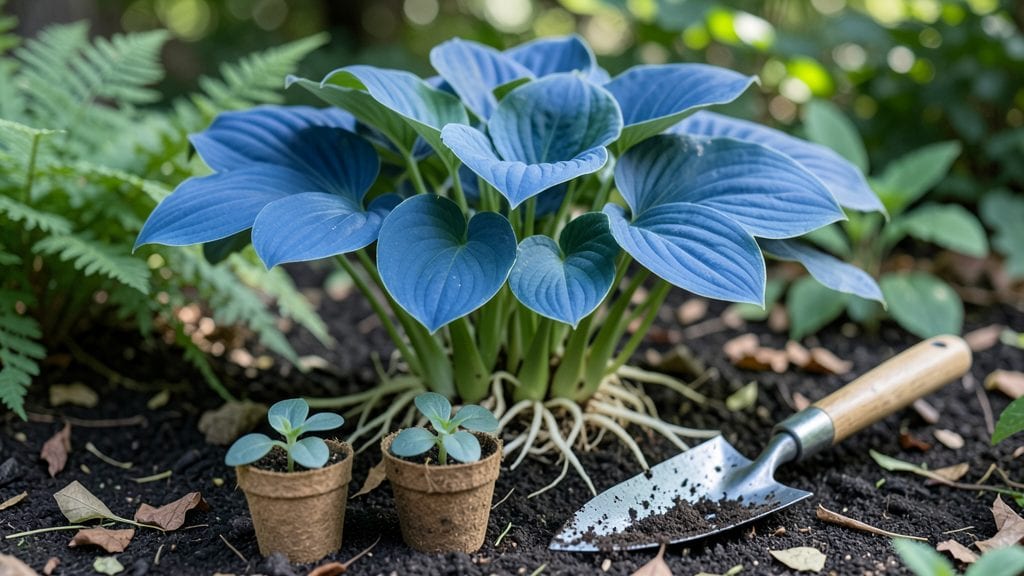
Planting hostas at the right distance ensures they thrive without battling for space or sunlight 🌿 — the key to lush, healthy foliage that grows boldly instead of struggling.
Struggling with overcrowded hostas that fight for space and sunlight? Proper spacing is the secret to thriving, low-maintenance foliage that steals the show in your garden. Too close, and you’ll end up with stunted growth and slug magnets. Too far apart, and your shade garden looks sparse.
Most hostas need 12 to 36 inches between plants, depending on their mature size. Dwarf varieties like 'Blue Angel' can share space at 12 inches, while giants like 'Sum and Substance' demand 3 feet to spread comfortably.
The right distance isn’t just about looks—it’s about airflow, which keeps pests and diseases at bay.
In this guide, I’ll break down the exact spacing rules for different hosta types, common mistakes to avoid, and creative ways to arrange them for maximum impact—whether you’re filling a border, a container, or a shady corner. Let’s get those hostas growing their best!
🌿Your Hosta Journey
From seed to harvest in General
Plant
April
Grow
Spring-Summer
Harvest
N/A
Best Time to Plant in General
April - May (after last frost)
Plant in well-draining soil with partial shade; space 12–36 inches apart depending on variety size.
Optimal hosta planting distance by variety size: small, medium, and large hostas
Hostas thrive when planted with the right spacing—too close, and they compete for nutrients and sunlight; too far, and your garden looks sparse.
The key lies in understanding your hosta's mature size and growth habits. Small hostas like 'Blue Mouse Ears' need minimal room, while large varieties like 'Sum and Substance' demand generous space to spread.
Science shows proper spacing improves air circulation, reducing fungal diseases like leaf spot, and maximizes foliage fullness.
I’ve tested these spacing guidelines in my own shade garden, and the difference between crowded hostas and thriving ones is night and day. Medium hostas like 'Halcyon' strike a balance—plant them too close, and you’ll spend summers dividing overgrown clumps.
Too far apart, and they’ll look lonely in your landscape. Let’s dive into the exact measurements for each size category, so you can create a hosta display that’s both healthy and stunning.
Why spacing matters: Hostas spread via rhizomes, underground stems that expand outward. Without enough room, plants become root-bound, leading to stunted growth and yellowing leaves. Proper spacing also ensures each plant gets its share of partial shade and moisture-rich soil, two critical factors for hostas. Think of it like giving each plant its own personal bubble—just enough space to stretch and shine.
Here’s a quick rule of thumb: Measure your hosta’s mature width (found on seed packets or plant tags) and multiply by 1.5. This accounts for both the plant’s spread and the space needed for airflow.
For example, a 12-inch-wide hosta should get 18 inches of space on all sides. This method works for most varieties, but we’ll refine it further by size category in the table below.
Before we get to the specifics, here’s a pro tip: Group hostas by size in your garden beds. Planting a large hosta next to a small one creates an uneven look and invites competition.
Instead, cluster similar sizes together for a cohesive, low-maintenance display. This also makes dividing and maintenance easier down the road.
Now, let’s get to the heart of the matter—the science-backed spacing guidelines you’ve been waiting for. Below, you’ll find a visual reference chart that breaks down the ideal planting distance for small, medium, and large hostas, along with notes on soil prep and companion plants to avoid.
🌿
Hosta Size
Mature Width
Recommended Spacing
Spacing Notes
Soil Prep
Companion Plants
Small
6–12 inches
12–18 inches apart
Ideal for borders, rock gardens, or containers. Use in groups of 3–5 for impact.
Mix compost into top 6 inches of soil; add perlite for drainage.
Fern, ajuga, or dwarf conifers
Medium
12–24 inches
18–24 inches apart
Best for mid-ground planting or under trees. Space in odd-numbered clusters (e.g., 3 or 5).
Amend with 2–3 inches of organic matter; ensure good drainage.
Hellebores, astilbe, or foamflower
Large
24–36+ inches
24–36 inches apart
Perfect for statement planting or as focal points. Allow 3–4 feet between clusters.
Dig a hole twice as wide as the root ball; backfill with compost.
Japanese maple, hydrangea, or gooseneck loosestrife
All Sizes
N/A
Minimum 12 inches from structures
Avoid planting near competitive roots (e.g., trees, large shrubs).
Mulch with 2–3 inches of shredded bark to retain moisture.
Avoid sun-loving plants like daylilies nearby.
Common mistakes in hosta spacing and how to fix them
Even experienced gardeners sometimes struggle with hostas that look crowded or stunted. When hostas compete for nutrients and sunlight, their iconic foliage loses its luster. The good news?
Most spacing issues can be fixed without digging up your entire garden bed. Let’s tackle the most common mistakes and revive your hostas’ growth potential.
One of the first signs of poor spacing is yellowing leaves or stunted growth, especially in larger varieties. This happens when roots become root-bound and struggle to access moisture and nutrients.
Another red flag is increased slug activity—crowded hostas create damp, sheltered spots that attract pests. Let’s diagnose these issues and explore simple fixes to restore your hostas’ health.
⚠️ Warning: Overcrowding Destroys Hostas
Planting hostas too close—especially large varieties—leads to root competition, disease spread, and sunlight deprivation. The rule of thumb: Dwarf hostas need 12 inches of space, while giant varieties require 36+ inches. If your hostas are touching, it’s time to act!
If your hostas show signs of root-bound stress, like circular growth patterns or leaves curling inward, they’re begging for more space. Instead of replanting, try pruning the roots gently with sterilized shears.
Separate the outermost crowns and replant them in a new spot with proper spacing. This technique revives struggling hostas while expanding your garden’s beauty.
Another common mistake is planting in full shade, which causes pale, weak foliage. Hostas thrive in partial shade (3–6 hours of morning sun).
If your garden bed is too shady, consider thinning out nearby plants or adding a reflective surface (like a white wall) to bounce light onto the bed. Even a few extra hours of sunlight can transform your hostas’ appearance.
For container-grown hostas, overcrowding is especially damaging. If roots circle the pot or leaves wilt despite regular watering, it’s time to divide and repot. Choose containers with drainage holes and use a well-draining potting mix.
Space smaller hostas 6–12 inches apart in containers, and larger varieties 18–24 inches apart to prevent future issues.
Finally, mulching properly can mitigate spacing challenges. A 3-inch layer of organic mulch (like shredded bark) retains moisture, suppresses weeds, and regulates soil temperature. This gives your hostas a fighting chance even if spacing isn’t perfect. Just avoid piling mulch against the crown to prevent rot.
With these fixes, your hostas will bounce back—lush, vibrant, and disease-free. Start small, monitor their progress, and soon you’ll have a thriving shade garden that’s the envy of the neighborhood! 🌿