
Pruning
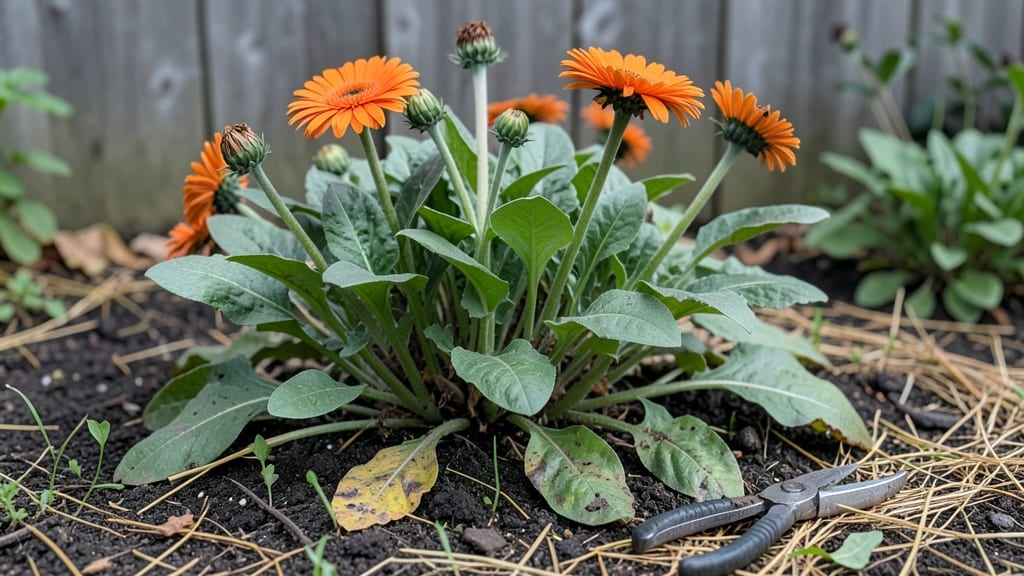
Pruning daisy plants is the secret weapon behind those shockingly lush blooms that last all summer. 🌻 I’ve pruned Shasta daisies for years, and the difference between a scraggly plant and one covered in flowers comes down to timing and technique.
The key is cutting back at the right moments—spring, mid-season, and fall—to encourage new growth while keeping the plant healthy.
You’ll need just three things: sharp pruning shears, a pair of gloves, and a clear morning to work. Start by removing dead or yellowed leaves first—those are the easiest to spot. Then, cut back any leggy stems by about a third to encourage bushier growth.
The goal is to shape the plant while giving it room to breathe, and you’ll see new shoots popping up within weeks.
After pruning, your daisies will reward you with a second flush of blooms that lasts until frost. The plants stay compact, resist flopping, and produce more flowers than you’d expect. Just avoid cutting into old wood—focus on fresh green growth—and you’ll keep those blooms coming all season long.
This works for Shasta daisies, Gerbera daisies, and even oxeye daisies. The same principles apply whether you’re pruning in a garden bed or a container. Let’s get those shears ready—your daisies are about to transform.
📚 In This Guide
- What you need
- Instructions
- Tips and common mistakes
- Wrapping up and next steps
What you need
- ● Pruning shears – Sharp, bypass-style shears (4–6 inches) for clean cuts. Avoid dull tools—they crush stems!
- ● Garden gloves – A pair of cut-resistant, breathable gloves (e.g., leather or nitrile-coated) to protect your hands from thorns and dirt.
- ○ Disinfectant (optional but recommended) – Rubbing alcohol (70%+) or a mild bleach solution (1 part bleach to 9 parts water) to sterilize tools between cuts and prevent disease.
- ● Pruning saw (for thick stems) – Only if your daisies have woody stems over ½-inch thick.
- ● Garden twine or plant ties – A small roll (5–10 feet) to secure branches if needed during pruning.
- ● Garden bag or bucket – For collecting pruned debris (5–10 gallons). A compostable liner makes cleanup easy!
- ● Watering can or hose – To hydrate plants before and after pruning (1–2 gallons per plant, depending on size).
- ● Hand pruners (felco or bypass) – For smaller stems or detailed trimming.
- ● Knee pad or stool – If your daisies are tall (3+ feet), save your back!
- ● Plant food or fertilizer – A balanced, slow-release formula (10-10-10 or similar) to give your daisies a post-pruning boost.
- ● Mulch (straw or shredded bark) – To protect soil and retain moisture after pruning.
Step-by-Step guide for pruning daisy plants
Revitalize your daisies with this simple, effective pruning routine that keeps them blooming all season.
✂️ Step 1: Remove Dead and Damaged Flowers
Start by scanning your daisy plants for spent blooms—the ones with brown centers and drooping petals. These flowers have completed their life cycle and now drain energy from the plant. Use clean, sharp pruners to cut the stems just above the first set of healthy leaves or where the flower meets the stem. This encourages the plant to redirect its energy toward producing new buds instead of sustaining dead ones.
I always work from the bottom up, removing the oldest blooms first. This keeps the plant looking tidy while preventing disease from spreading through old, decaying flower heads. If you notice any yellowing or wilting leaves, snip those off too—they’re a sign of stress or disease and need to go immediately.
✂️ Step 2: Thin Out Overcrowded Stems
Daisies thrive when they have room to breathe. If stems are growing too close together, the center of the plant can become congested, leading to fewer blooms and weaker growth. Look for stems that are rubbing against each other or growing in a tangled mess. Use your pruners to cut these back to the base, leaving only the healthiest, most vigorous stems.
This is also a great time to shape your plant. If it’s looking leggy or uneven, trim back the longest stems to encourage a fuller, bushier shape. Aim to leave about 3-4 inches of growth on each remaining stem—this gives the plant enough energy to recover and produce new shoots.
✂️ Step 3: Prune for Bushier Growth
To encourage your daisies to branch out and produce more blooms, focus on pinching or cutting back the tips of the main stems. When you see a stem that’s growing taller than the others or looks like it’s reaching for the sky, trim it back by about one-third of its height. This might seem drastic, but it forces the plant to put energy into growing side shoots instead of just one long stem.
I like to do this in early spring and again after the first flush of blooms in late spring. The key is timing—prune when the plant is actively growing, not during a heatwave or drought. You’ll see new growth emerging from the sides within a few weeks, and your plant will fill out beautifully.
✂️ Step 4: Clean Up and Maintain Year-Round
After your main pruning session, take a moment to clean up the area around your daisies. Remove any fallen leaves, spent blooms, or debris that might harbor pests or diseases. This keeps your plants healthy and makes it easier to spot any issues early on. I also like to give the base of the plant a light trim to remove any low-hanging leaves that might touch the soil and rot.
Throughout the growing season, keep an eye out for any new deadheads or overgrown stems. A little maintenance here and there goes a long way in keeping your daisies looking their best. In late summer or early fall, you can give your daisies a final light pruning to tidy them up before winter. This helps them enter dormancy in good shape and bounce back strong in the spring.
Tips & tricks for pruning daisy plants
A few simple tricks will help you transform your daisies from sparse to spectacular with minimal effort.
Tool Prep is Everything: Before you start, take 5 minutes to sterilize your pruners with rubbing alcohol. Clean tools prevent disease spread from old plant material to healthy growth. I also recommend using sharp pruners—they make clean cuts that heal faster than jagged ones. If your tools are dull, you'll risk damaging stems and inviting pests.
Timing Matters More Than You Think: The early spring and late spring are the sweet spots for pruning daisies. In Step 3, when you're cutting back stems by one-third, focus on days when temperatures are mild (between 60-75°F). Pruning during heatwaves stresses plants, while cool weather slows recovery. I've learned this the hard way after watching plants struggle during summer pruning sessions.
Visual Cues for Perfect Cuts: When removing dead blooms in Step 1, look for the "V" shape where the flower meets the stem. That's your perfect cutting point—just above the first set of healthy leaves below it. For shaping in Step 2, imagine an upside-down triangle when looking at your plant. You want the base to be fullest, gradually tapering upward to encourage that bushy look.
Seasonal Maintenance Secret: That final light pruning in late summer mentioned in Step 4 is my secret weapon for winter-hardy daisies. It's not just about looks—removing those low-hanging leaves prevents soil-borne diseases from taking hold during winter dormancy. Think of it as giving your plants a fresh start before their seasonal nap.
Pro Tips for Prune A Daisy Plant
- A few simple tricks will help you transform your daisies from sparse to spectacular with minimal effort.
- Tool Prep is Everything: Before you start, take 5 minutes to sterilize your pruners with rubbing alcohol.
- Timing Matters More Than You Think: The early spring and late spring are the sweet spots for pruning daisies.
Frequently asked questions
Got questions about pruning daisies? You’re not alone! Here are answers to the most common concerns—from timing to tools—to keep your daisies thriving with minimal stress.
When is the best time to prune daisies?
Prune after the first frost in fall (for perennials) or in early spring (before new growth) to avoid winter damage. For annuals, prune lightly in late spring to encourage more blooms. Avoid pruning during peak flowering unless deadheading—this can stress the plant.
Can I use scissors or shears instead of pruners?
Yes! Sharp scissors or shears work fine for small stems, but avoid dull tools—they crush stems and invite disease. For thicker stems (over ½ inch), use bypass pruners for cleaner cuts. Disinfect tools with rubbing alcohol between cuts to prevent spreading pests.
What if I prune too much? Will my daisy die?
Daisies are resilient, but over-pruning (cutting more than ⅓ of the plant at once) can stunt growth or reduce blooms. Focus on removing dead/diseased foliage and spent blooms. Perennials bounce back quickly, while annuals may need gentler touch. Think of it like a haircut—trim, don’t shave!
How often should I prune daisies for continuous blooms?
Deadhead (remove spent blooms) every 2–3 days during peak season to encourage new flowers. For shaping, prune lightly every 4–6 weeks in spring/summer. Skip winter pruning unless you’re cleaning up debris—daisies rest then!
My daisies look sad after pruning—what went wrong?
Check for these signs: Yellow leaves? Overwatering or root rot. Wilted stems? Underwatering or heat stress. Brown spots? Fungal disease (prune infected areas immediately). Give your daisies time to recover—fertilize lightly with balanced 10-10-10 if needed.
Still stumped? Snap a photo of your daisy’s condition and tag #DaisyPruningPro for quick tips from gardeners!
Wrapping up and next steps
Pruning your daisy plants doesn’t have to be intimidating—just follow these simple steps to keep them thriving! With the right timing, tools, and technique, you’ll enjoy longer blooming seasons and healthier plants. Now that you’re armed with the know-how, grab those shears and give your daisies the care they deserve.
Ready for more? Try experimenting with deadheading or even propagating cuttings to expand your garden! Happy pruning—your daisies will thank you with a burst of color. 🌼✨