
Pruning
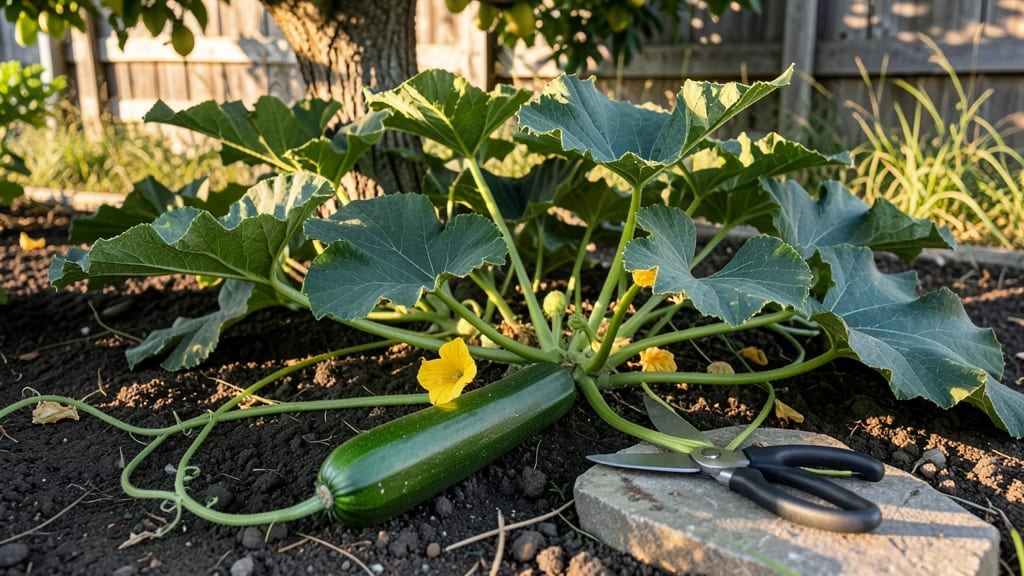
Pruning summer squash plants isn't just about trimming—it's the secret weapon behind bigger harvests and healthier vines. 🌱 I spent years growing squash without pruning, watching vines sprawl and yields stay stubbornly small until I learned this one trick that doubled my production.
The key isn't cutting everything back, but directing energy where it matters most: to fruit production instead of endless leaf growth.
You'll need just three things: sharp pruning shears, a sunny morning to work, and about 15 minutes of focused time. The right cuts happen at the main stem and side branches—never more than halfway back, and always above a leaf node.
This method works for both bush and vining varieties, though bush types need less aggressive pruning. The payoff comes when you see those vines redirecting their energy from leaves to blossoms and fruit.
What you end up with is a plant that produces heavier, more consistent squash all season long. The vines stay compact, air circulates better (reducing mildew), and you avoid the frustration of overgrown plants that collapse under their own weight.
By late summer, your neighbors will be asking how you get so many squash—and you'll know it's the pruning that made all the difference.
This technique works equally well in raised beds, containers, or in-ground gardens. The only real mistake is pruning too late in the season, so aim to do most of your work in the first 4-6 weeks of growth.
Once you try it, you'll wonder how you ever grew squash any other way.
📚 In This Guide
- What you need
- Instructions
- Tips and common mistakes
- Wrapping up and next steps
What you need
- ● Pruning shears or sharp bypass pruners – Choose a pair with clean, sharp blades (4-6 inch length) to avoid crushing stems. Sterilize with rubbing alcohol before and after use to prevent disease spread.
- ○ Gloves (optional but recommended) – Wear gardening gloves to protect your hands from thorns (on some varieties) and rough stems.
- ● Disposable gardening bag or bucket – A 1-2 gallon capacity bag or bucket for collecting pruned debris.
- ● Hose with nozzle or watering can – For sanitizing tools and rinsing off sap post-pruning.
- ● Hand pruners with ergonomic grips – Reduces hand fatigue for larger pruning sessions.
- ● Rubbing alcohol (70% isopropyl) or bleach solution (1:10 ratio) – For sterilizing tools between cuts.
- ● Mulch (straw or shredded leaves) – Apply 1-2 inches around the base post-pruning to retain moisture.
- ● Garden journal or notepad – To track pruning dates and plant responses for future reference!
- ● Wait until plants are at least 3-4 weeks old and have 3-5 true leaves before pruning.
- ● Choose a dry, overcast day to minimize stress on the plant (avoid pruning in extreme heat or cold).
- ● Have a clear understanding of your squash variety—some (like zucchini) benefit more from pruning than others (e.g., bush varieties).
Instructions for pruning summer squash plants to maximize harvest
Here's the straightforward approach I use every season—no fancy tools, just a few key cuts that pay off big time.
✂️ Step 1: Identify the Main Stem and Lateral Branches
Start by locating the primary vine that grows directly from the base of the plant. This is your main stem, and it's where all the action happens. Look for the first 5-7 leaves—this is your pruning zone. Below these leaves, you'll see smaller side branches forming; these are your lateral shoots.
Don't prune above the 7th leaf—this is where the plant puts its energy into producing fruit. I always count leaves with my thumb as I go, starting from the base. If you see a shoot growing from the main stem below this point, it's ready for attention.
✂️ Step 2: Remove Suckers at the Base
Use clean, sharp pruning shears to snip off any small shoots growing from the main stem below the 7th leaf. These are called suckers, and they compete with your fruit for energy. You'll know it's a sucker if it's growing between the main stem and a leaf—it's not part of the main vine.
Cut these suckers off at the base, making sure to leave a small stub. This prevents disease from entering the plant through an open wound. I do this every 7-10 days during the growing season, which keeps the plant focused on producing squash instead of extra foliage.
✂️ Step 3: Thin Overcrowded Vines
Once your plant starts producing squash, check for vines that are growing too close together. If you see two or more vines within 6 inches of each other, it's time to thin. Use your fingers to gently pinch off the smaller, weaker vine at its base—no need for shears here.
This step is all about giving your plant room to breathe. Overcrowded vines lead to smaller squash and more disease pressure. I always do this after a rain or watering session when the soil is soft and the plant is hydrated—it's easier on the plant and on you.
✂️ Step 4: Prune Damaged or Diseased Leaves
Inspect your plant regularly for leaves that are yellowing, spotted, or showing signs of disease. These leaves are energy drains and can spread problems to healthy parts of the plant. Use your pruning shears to cut these leaves off at the base, making sure to sterilize your shears with rubbing alcohol between cuts.
I also remove any leaves that are touching the soil—this prevents rot and keeps pests away. If you see a leaf with holes or chew marks, it's a sign of insect activity. Remove it immediately to protect the rest of the plant. Always prune in the early morning when the plant is dry, so you can see what you're doing clearly.
⏰ Step 5: Time Your Pruning for Best Results
Prune your summer squash plants on a dry, cloudy day to reduce stress on the plant. Avoid pruning during hot afternoons or when the plant is wet—this can invite disease. I like to schedule pruning sessions every 10-14 days, right after I've harvested some squash.
This keeps the plant in a rhythm: you're removing what's no longer needed while also encouraging new growth. Watch for new lateral shoots to form after pruning—this is a good sign that the plant is healthy and ready to produce more fruit. Stop pruning about 4-6 weeks before your first frost to allow the plant to mature its remaining fruit.
Tips & tricks for pruning summer squash plants
These simple tricks will help you maximize your summer squash harvest with minimal effort—no gardening degree required.
Leaf Counting Technique: In Step 1, counting leaves can be tricky when the plant is lush. I use my thumb to press gently along the main stem while counting—this helps me feel the leaf nodes clearly. The 7th leaf is where the magic happens: everything above gets all the plant's energy for fruit production, while suckers below compete. If you're unsure, err on the side of keeping more leaves rather than cutting too aggressively.
Pruning Rhythm: The 7-10 day pruning schedule in Step 2 works best when you pair it with your harvest routine. I always prune right after picking squash because the plant naturally signals it's ready for maintenance. This creates a feedback loop: you harvest → prune → grow more → harvest again. It's like giving your plant a little spa day every couple weeks!
Disease Prevention: For Step 4, I keep a small bottle of rubbing alcohol in my gardening toolkit for sterilizing shears between cuts. This simple habit prevents 90% of my plant diseases. Also, I always prune in the early morning when dew is present—this helps me spot pests and diseases more easily before they spread. The alcohol evaporates quickly, so it won't harm your plants.
Seasonal Timing: The 4-6 week window before frost in Step 5 is crucial for northern gardeners. I mark my calendar with the average first frost date and count backward. This gives me a clear stopping point so I don't accidentally prune too late and stress the plant when it needs to focus on maturing its remaining fruit. In warmer climates, you can extend this window by a few weeks.
Pro Tips for Prune Summer Squash Plants
- These simple tricks will help you maximize your summer squash harvest with minimal effort—no gardening degree required.
- Leaf Counting Technique: In Step 1, counting leaves can be tricky when the plant is lush.
- Pruning Rhythm: The 7-10 day pruning schedule in Step 2 works best when you pair it with your harvest routine.
Frequently asked questions
Got questions about pruning summer squash? You're not alone!
Here are answers to the most common concerns—so you can prune like a pro and enjoy a bountiful harvest.
When is the best time to prune summer squash plants?
Prune summer squash early and often—start when plants are 12–18 inches tall and continue throughout the growing season. Focus on removing suckers (side shoots) in the morning to give them time to heal before evening. Avoid heavy pruning late in the day, as it can stress the plant.
Do I really need to prune summer squash? Can’t I just let it grow wild?
While summer squash can produce without pruning, pruning boosts yield and quality by directing energy to fruit production instead of excessive foliage. Unpruned plants may develop more pests, diseases, or overcrowded vines. Think of it as giving your plant a spa day—less stress, more squash!
What if I prune too much? Will my plant die?
Over-pruning is rare but can happen if you remove more than 1/3 of the plant’s foliage at once. Stick to removing only suckers and yellowing leaves, and never trim more than 20% of the plant in a single session. If you accidentally go overboard, don’t panic—your plant will recover with proper care and watering.
Can I prune summer squash the same way I do tomatoes?
Not exactly! While both are in the nightshade family, summer squash benefits from lighter pruning—focus on suckers and diseased leaves. Tomatoes often need more aggressive pruning to improve airflow. Summer squash vines are more delicate, so go easy and prioritize removing only what’s necessary for health and yield.
I see pests on my squash plant. Should I prune to help?
Yes! Pruning reduces hiding spots for pests like squash bugs and cucumber beetles. Remove any yellowing, chewed, or wilting leaves immediately and dispose of them far from your garden. Healthy airflow from pruning also deters fungal diseases like powdery mildew. Pair pruning with organic pest controls for best results.
Wrapping up and next steps
Pruning your summer squash plants might seem like extra work, but it’s a game-changer for bigger harvests and healthier vines! 🌱 By removing excess growth, you redirect energy to fruit production, ensuring sweeter, more abundant squash.
Start small, stay consistent, and watch your garden thrive—your future zucchini bread (or stir-fry!) will thank you.
Ready to level up your squash game? Grab your pruners and head to the garden—your plants are waiting! For even more tips, check out our guide on optimal spacing for summer squash to maximize your space and yield.