Pests and Diseases
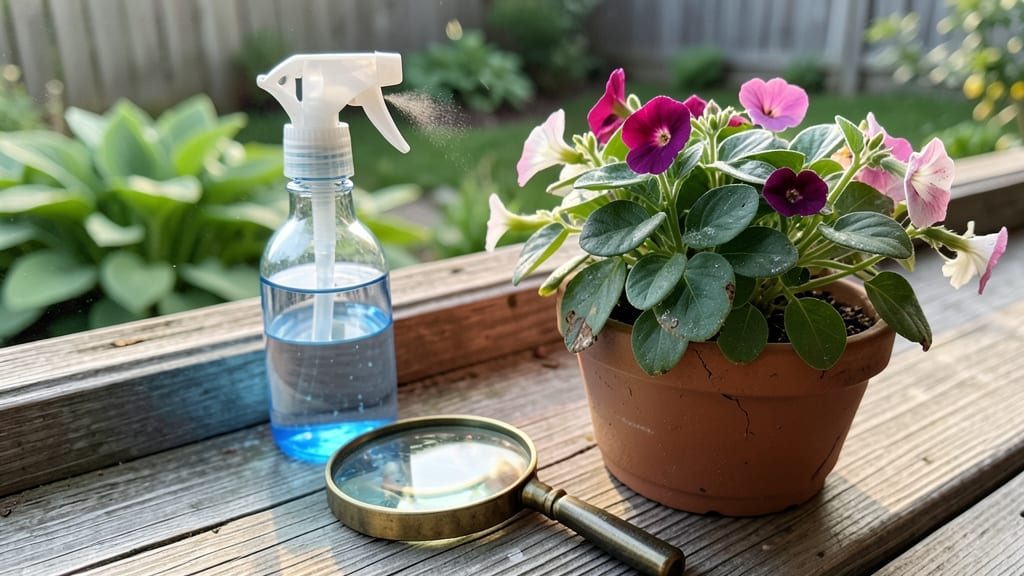
When the plant shows signs of disease—like impatiens leaves dusted in gray or oozing slimy spots—fungal blights can destroy these shade-loving stars in days. 🌿 I’ve watched downy mildew turn a vibrant hanging basket into a sad, yellowed mess—until I learned the early signs and how to stop it before it spreads.
The key isn’t just sprays; it’s understanding why these diseases love impatiens and how to outsmart them with simple, effective fixes.
Most fungal problems on impatiens start with too much moisture—whether from overhead watering, poor drainage, or crowded plants that don’t dry out fast enough. Downy mildew shows up as fuzzy gray patches on the undersides of leaves, while bacterial blight creates water-soaked spots that ooze when touched.
The good news? Both respond to copper-based sprays, neem oil, or even a homemade baking soda mix (just 1 teaspoon per quart of water) if caught early. Prevention is easier than cleanup, and it starts with spacing plants properly and watering at the base.
By the time you spot the first symptoms, you’ve already won half the battle if you act fast. Prune away infected leaves immediately, disinfect your pruners with rubbing alcohol, and avoid wetting foliage when watering.
Within a week, you’ll see new growth pushing through cleaner, and your impatiens will bounce back—stronger than before. The secret isn’t complicated, but timing makes all the difference.
This works for both garden beds and containers, and the same principles apply whether you’re dealing with downy mildew or powdery mildew. The goal is to keep your plants healthy enough that they fight back naturally. Let’s get those impatiens thriving again—without losing another leaf to the blights.
Root Causes Of Impatiens Illness
When your vibrant impatiens plants start wilting, developing unsightly spots, or refusing to bloom, the culprit is often a fungal infection—but why do these diseases strike in the first place? Understanding the root causes helps you prevent future outbreaks and save your plants.
Below, we break down the most common reasons impatiens fall victim to fungal blights, from environmental triggers to cultural mistakes.
Fungal spores thrive in stagnant, humid air—conditions that often arise when impatiens are planted too closely together. Dense foliage traps moisture, creating a perfect breeding ground for pathogens like Phytophthora or Botrytis. Poor air circulation also delays drying, leaving leaves damp longer and inviting fungal invasion.
Why it happens:
- Overcrowded plantings block airflow, increasing humidity near the foliage.
- Thick mulch layers (especially organic mulch) retain moisture at soil level, encouraging root rot.
- Shady, enclosed spaces (like greenhouses or terra cotta pots without drainage) trap humidity.
Actionable fix: Space plants 6–12 inches apart, prune to improve airflow, and avoid heavy mulch near stems.
Impatiens are moisture-loving but hate soggy roots. Overwatering or poor drainage creates anaerobic soil conditions, stressing plants and weakening their defenses against fungal invaders like Pythium or Rhizoctonia. Even well-draining soil can become a problem if water pools around the base.
Why it happens:
- Excessive irrigation (especially overhead watering) keeps leaves wet for prolonged periods.
- Clay or compacted soil prevents water from draining, leading to root suffocation.
- Lack of drainage holes in containers traps water, promoting root rot.
Actionable fix: Water only when the top inch of soil is dry, use raised beds or containers with drainage, and avoid evening watering.
Fungal diseases like downy mildew and powdery mildew flourish in warm, humid conditions (70–80°F with high moisture). Sudden temperature drops or prolonged dampness—common in spring or fall—stress impatiens, making them more susceptible to infection. Greenhouses and indoor growing areas often exacerbate this issue.
Why it happens:
- Nighttime dew combined with warm days creates ideal fungal conditions.
- Poor ventilation in greenhouses traps heat and humidity.
- Rainfall without drying periods keeps foliage wet for days.
Actionable fix: Space plants for airflow, use fans in greenhouses, and water early in the day to allow foliage to dry.
Fungal spores can lurk in old potting mix, garden tools, or infected plant debris. Reusing contaminated soil or sharing tools between healthy and sick plants spreads diseases like Alternaria or Fusarium rapidly. Even compost from diseased plants may harbor pathogens.
Why it happens:
- Reusing infested soil without sterilization introduces spores to new plants.
- Sharing pruners or pots between infected and healthy impatiens.
- Using unsterilized compost from unknown sources.
Actionable fix: Sterilize tools with 70% rubbing alcohol, use fresh potting mix, and remove infected plants immediately.
Stressed impatiens—whether from nutrient deficiencies, pests, or transplant shock—are far more vulnerable to fungal attacks. A lack of nitrogen or phosphorus, for example, weakens cell walls, making it easier for pathogens to penetrate. Even aphids or spider mites can create entry points for secondary infections.
Why it happens:
- Poor soil fertility (e.g., low nitrogen or phosphorus) weakens growth.
- Transplant shock from sudden environmental changes.
- Pest damage creates wounds where fungi can invade.
Actionable fix: Fertilize with a balanced 10-10-10 formula, monitor for pests, and harden off seedlings gradually.
Quick Fixes for Fungal Foes
When your impatiens start showing signs of disease, acting fast can save your plants—and your sanity. Below are practical, step-by-step solutions tailored to the most common fungal issues, plus prevention tips to keep your garden thriving. Think of this as your emergency repair kit for sickly impatiens!
Powdery mildew turns leaves into a ghostly white blanket, but you can banish it with these moves:
- 🧼 Prune the Problem
- Snip off heavily infected leaves (sterilize your shears with rubbing alcohol first!).
- Dispose of them in the trash—not the compost bin (spores spread like gossip).
- 🚿 Wash Away the Fungus
- Mix 1 tsp baking soda + 1 tsp horticultural oil + 1 quart water in a spray bottle.
- Drench leaves early in the morning (avoid evening moisture—fungus loves damp darkness).
- Repeat every 7–10 days until symptoms fade.
- 🌬️ Boost Airflow
- Thin out crowded plants and space them 12–18 inches apart.
- Use a small fan on low setting near plants for 5–10 mins/day (trust us, fungi hate the breeze).
💡 Pro Tip: Apply neem oil spray (1 tbsp neem oil + 1 tsp mild soap per quart water) as a preventive weekly treatment during humid seasons.
This sneaky pathogen leaves yellow splotches and fuzzy gray growth on undersides. Copper-based fungicides are your secret weapon:
- 🛡️ Copper Spray Protocol
- Use copper fungicide (like Bordeaux mixture or copper sulfate) at first sign of infection.
- Spray both sides of leaves and stems thoroughly. Reapply every 7–14 days until new growth is healthy.
- 🌱 Remove and Replace
- Dig up severely infected plants (don’t compost them!) and replace with resistant varieties like Impatiens walleriana ‘Super Elfin’ (less prone to mildew).
- 💧 Water Smarter
- Water at the base, never overhead. Use a soaker hose or drip irrigation to keep leaves dry.
🌡️ Heat Hack: If your climate allows, grow impatiens in partial shade—direct sun + humidity = mildew party.
Brown, crinkled leaves with target-like spots? Leaf spot fungi are crashing your party. Sanitation and fungicides are your best defense:
- 🧹 Sterilize Your Tools
- Clean pots, trellises, and tools with 10% bleach solution (1 part bleach to 9 parts water) before reuse.
- 🍄 Fungicide Rotation
- Alternate between copper fungicide and chlorothalonil (like Daconil) every 10 days for 3–4 weeks.
- For organic gardens, try potassium bicarbonate spray (2 tbsp per gallon water + a drop of soap).
- 🌿 Mulch Right
- Use straw or pine needles (not wood chips) to reduce soil splashes onto leaves.
✨ Bonus: Reflective mulch (like aluminum foil) under pots can reduce fungal spores by bouncing light upward.
Once you’ve treated the problem, lock it down with these long-term strategies:
- 🌱 Choose Disease-Resistant Varieties
- Opt for Impatiens ‘Florada’ or ‘Accent’ series—they’re bred to fight fungi better.
- 🌧️ Improve Drainage
- Ensure pots have drainage holes and use well-draining soil (add perlite or sand if needed).
- 🕰️ Space for Air Circulation
- Avoid overcrowding—fungi thrive in stuffy, humid conditions.
- 🧼 Rotate Your Garden
- Don’t replant impatiens in the same spot for 2–3 years to break the fungal cycle.
🎯 Final Reminder: If a plant is past saving (e.g., 50%+ leaves gone), pull it to prevent spread. Your garden’s health depends on it!
Frequently asked questions about impatiens diseases
What are the first signs of downy mildew on impatiens?
Look for yellow patches on upper leaves followed by fuzzy gray growth on the undersides. These appear within 5-7 days of infection, often after humid weather. The key is catching it early—once the fuzz spreads, the plant weakens fast.
Can I save my impatiens if they already have powdery mildew?
Yes, but act fast! Prune all infected leaves (sterilize shears first), then spray with a baking soda mix (1 tsp baking soda + 1 tsp oil per quart water). Repeat weekly until new growth appears. For severe cases, replace heavily infected plants to stop spread.
Why does my impatiens get leaf spots even with proper watering?
Leaf spots often come from splashing water or contaminated tools. Always water at the base, avoid overhead spraying, and sterilize pruners with rubbing alcohol between cuts. Poor air circulation or thick mulch can also trap moisture—space plants 6-12 inches apart for airflow.
Are there chemical-free ways to treat bacterial blight?
Start by removing infected leaves immediately (don’t compost them). Use a copper fungicide (like Bordeaux mix) or a neem oil spray (1 tbsp neem + 1 tsp soap per quart water). For prevention, water only in the morning and avoid wetting foliage. Copper is the safest organic option for bacterial issues.
How long until my impatiens recover after treatment?
With proper care, you’ll see improvement in 7-14 days. New growth should appear within 2 weeks if you’ve removed infected parts and improved airflow. For severe cases, recovery may take 3-4 weeks