Container Gardens
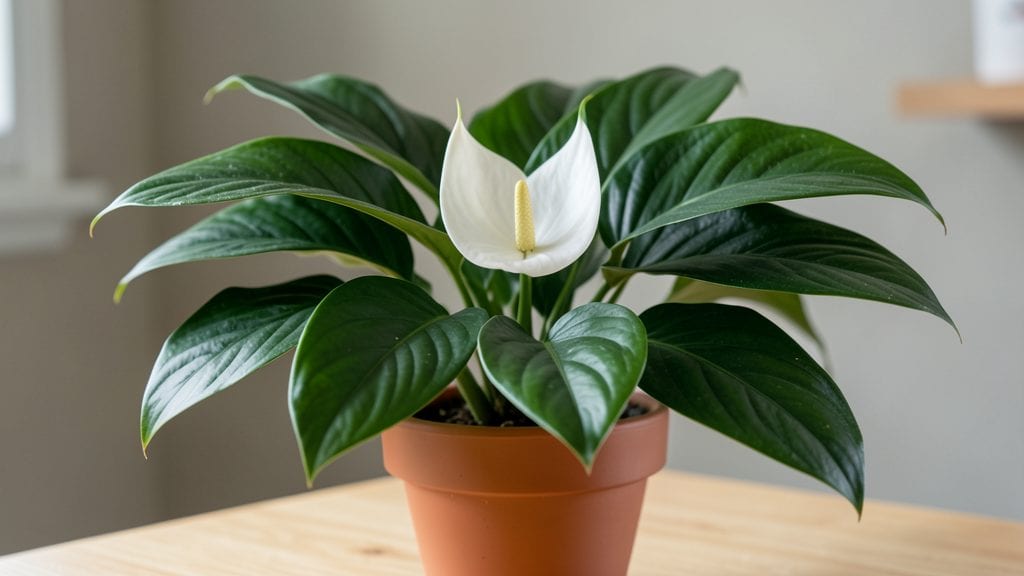
White indoor plants don’t just survive—they transform your space into a serene, sunlit sanctuary. ✨ I’ve filled my own apartment with these luminous greens, and the difference in mood is immediate: suddenly, every room feels airier, cleaner, and alive with quiet energy.
The secret isn’t just their color but how they bounce light around, making small corners glow like they’ve been kissed by morning sun.
You don’t need a green thumb to pull this off—these plants thrive on neglect. Spider plants, peace lilies, and variegated snake plants all handle low light better than their flashy cousins, and their white stripes or dusty edges reflect sunlight instead of soaking it up.
Pair them with neutral pots—matte white, soft gray, or even woven baskets—and let the foliage do the talking. A single plant on a side table or bookshelf can make a room feel twice as big.
What you’ll love most is how effortless they are. Water them once a week (or less), dust the leaves occasionally, and watch as they fill your home with that crisp, clean energy.
The white variegation also hides dust better than solid green leaves, so they stay looking fresh with minimal fuss. Before you know it, your space will feel like a curated gallery of natural light and texture.
The best part? These plants play well with others. Mix them with trailing pothos or air plants in glass terrariums for a layered look, or let them stand alone as statement pieces.
Whether you’re styling a tiny apartment or a cozy corner, white indoor plants are the ultimate way to brighten up a space without the upkeep.
📚 In This Guide
- What you need
- Instructions
- Tips and common mistakes
- Wrapping up and next steps
What you need
- ● White-flowering indoor plants: Choose from varieties like Peace Lily (Spathiphyllum), White Calathea, or White Kalanchoe. Start with 1–3 plants depending on your space.
- ● Containers: Ensure pots have drainage holes (3–5 inches in diameter for small plants). Opt for white or neutral-toned pots to enhance the aesthetic.
- ● High-quality potting mix: Use a well-draining, peat-based mix (e.g., African Violet Mix) or add perlite for aeration.
- ● Watering can or spray bottle: A gentle spray nozzle helps avoid overwatering delicate white blooms.
- ● Fertilizer: A balanced liquid fertilizer (10-10-10 or 20-20-20) for blooming plants. Dilute to half-strength to prevent root burn.
- ● Grow lights: LED full-spectrum bulbs (4000K–6500K) for 12–16 hours/day if natural light is limited.
- ● Humidity tray: A shallow tray with pebbles and water to boost moisture for tropical white bloomers.
- ● Decorative accents: White pebbles, moss, or minimalist planters to elevate your display.
- ● Plant supports: Small bamboo stakes or moss poles for vining varieties like White Philodendron.
Step-by-Step guide to styling indoor spaces with white florals
Here's how to create a fresh, airy look using white blooms that brighten any room instantly.
🌿 Step 1: Choose Your White Indoor Plants
Start with plants that naturally produce white flowers or foliage. Snake plant (Sansevieria), peace lily (Spathiphyllum), and spider plant (Chlorophytum comosum) all offer white accents. I like to mix one bold white bloomer like a peace lily with a trailing plant like string of pearls (Senecio rowleyanus) for texture. These four plants will give you instant visual impact while keeping maintenance simple.
Check light requirements before buying—some white-flowering plants like peace lilies thrive in low light, while others need bright indirect light. Place them near windows where they’ll get at least 4-6 hours of filtered sunlight daily. If your space is dim, opt for varieties that tolerate lower light conditions.
🪴 Step 2: Select and Prepare Containers
Use 4 ceramic pots in complementary white, cream, or soft gray tones to keep the look cohesive. I prefer pots with drainage holes to prevent root rot, which can happen easily with white-flowering plants that often have delicate roots. If your pots lack holes, add a layer of pebbles at the bottom to improve drainage.
Fill each pot with 2 gallons of well-draining potting mix—avoid garden soil, as it compacts too easily. Mix in a handful of perlite to keep the soil airy. For a polished look, place each pot on a saucer to catch any excess water and keep surfaces clean. White saucers hide water stains better than darker colors.
☀️ Step 3: Position Plants for Maximum Impact
Arrange your plants in a way that draws the eye upward and outward. Place taller plants like snake plants at the back or center of a grouping, with trailing varieties like string of pearls cascading over edges. For a symmetrical look, position two identical white-flowering plants on either side of a focal point, like a mirror or shelf.
Rotate your pots a quarter turn weekly so all sides get even light. You’ll notice leaves growing more uniformly and white blooms lasting longer. If a plant starts leaning, it’s a sign it needs more light—move it closer to a window or add a grow light for 12-14 hours daily.
💧 Step 4: Water and Maintain for Long-Lasting Beauty
White-flowering plants often have lighter-colored leaves that show water spots more easily, so water carefully. Stick your finger 1 inch into the soil—if it feels dry, water until it drains from the bottom. Let excess water evaporate before placing the pot back on its saucer. Overwatering is the fastest way to kill these delicate plants.
Dust leaves regularly with a soft microfiber cloth to keep them looking fresh. White foliage can yellow if it’s exposed to too much fluoride in tap water, so use filtered or distilled water if possible. Feed your plants with a balanced liquid fertilizer every 4-6 weeks during spring and summer to encourage vibrant blooms.
✂️ Step 5: Prune and Refresh for Continuous Blooms
Deadhead spent flowers immediately to encourage new blooms. For peace lilies, trim yellowing leaves at the base with clean scissors to keep the plant looking tidy. With snake plants, remove any brown or crispy tips—these plants are forgiving but benefit from occasional pruning to stay lush.
Every 6-8 months, repot your plants if they’ve outgrown their containers. Choose pots just 1-2 inches larger in diameter to avoid shocking the roots. This refreshes the soil and gives your plants room to grow while maintaining their elegant white accents. A little pruning and repotting keeps your indoor garden looking intentional and effortless.
Tips & tricks for perfect indoor white floral arrangements
Creating a sun-kissed look with white indoor plants takes a few strategic touches that make all the difference. Here's what I've learned after styling countless spaces—these details transform ordinary greenery into show-stopping elegance.
Lighting Strategy: In Step 1, when you're placing plants near windows, pay attention to the quality of light, not just quantity. East-facing windows provide gentle morning light perfect for peace lilies, while west-facing windows offer the bright indirect light snake plants crave. If your space only has north light, supplement with a grow light for those 12-14 hours daily—white-flowering plants need consistent light to maintain their vibrant color.
Container Color Psychology: The four ceramic pots you'll use in Step 2 should complement your space's existing color palette. For a crisp, modern look, choose pure white pots that reflect light and make rooms feel larger. If your decor has warm tones, opt for soft cream or gray pots that add subtle contrast. Pro tip: Place white saucers underneath to hide water stains and maintain that clean, airy aesthetic.
Symmetry Secrets: When arranging your plants in Step 3, think about creating visual balance. For a gallery wall effect, place identical white-flowering plants at equal distances from a central focal point. If you're working with a single window, arrange plants in a triangular formation with the tallest plant in the back and trailing varieties in front. This technique draws the eye naturally toward the light source while maximizing visual impact.
Pruning with Purpose: In Step 5, when deadheading spent flowers, don't just trim—shape! Cut at a 45-degree angle just above a leaf node to encourage bushier growth. For snake plants, remove those crispy brown tips by making clean cuts with sterilized scissors. This simple technique keeps your plants looking intentional and prevents them from becoming leggy. Remember, white foliage shows every imperfection, so precision matters!
Pro Tips for Indoor Plants White
- Creating a sun-kissed look with white indoor plants takes a few strategic touches that make all the difference.
- Lighting Strategy: In Step 1, when you're placing plants near windows, pay attention to the quality of light, not just quantity.
- Container Color Psychology: The four ceramic pots you'll use in Step 2 should complement your space's existing color palette.
Frequently asked questions
Got questions about adding white indoor plants to your space?
Here are answers to the most common ones to help you bring that sun-kissed elegance indoors with confidence!
Why do white-flowered plants brighten small spaces better than others?
White flowers visually expand a room by reflecting light evenly—no matter the angle. Unlike bold colors that compete with lighting, white blooms create a soft, airy glow, making tight spaces feel larger and more open. Think of them as natural "mirrors" for your decor!
Are white-flowering plants harder to care for than other varieties?
Not necessarily! While some white-flowering plants (like Anthurium or Peace Lilies) thrive in low light, others (like White Gardenias) need bright, indirect light. The key is matching the plant’s needs to your space—just check the care tags! Most white bloomers are just as forgiving as their colored counterparts.
Can I mix white indoor plants with dark or colorful foliage for contrast?
Pairing white flowers with deep greens (like Snake Plants or ZZ Plants) or rich reds (like Coleus) creates stunning visual drama. For example, a white Spider Mummy Plant next to a burgundy Pothos adds depth while keeping the space airy. Just balance textures—feathery leaves vs. bold variegation!
Do white flowers need more water than other colors?
Color doesn’t affect water needs—plant type does! White-flowering succulents (like Echeveria) need less water, while tropicals (like White Orchids) prefer consistent moisture. Always check soil dryness with your finger before watering. Pro tip: White blooms can look thirstier (duller) when underwatered, so monitor closely!
What’s the best white indoor plant for a bathroom with low natural light?
Opt for humidity-loving white beauties like the Peace Lily (tolerates low light) or White Calathea (thrives in misty conditions). Avoid delicate whites like African Violets, which need bright, indirect light. A self-watering planter can also help maintain moisture in high-humidity bathrooms!
What if my white plant’s leaves turn yellow or brown?
Yellowing often signals overwatering (check roots for rot), while brown edges usually mean low humidity or fluoride buildup (from tap water). Try these fixes:
- Water only when topsoil is dry (stick your finger in!).
- Increase humidity with a pebble tray or humidifier.
- Use filtered or rainwater if tap water is hard.
Wrapping up and next steps
Bringing white indoor plants into your space isn’t just about aesthetics—it’s about transforming small areas into serene, sunlit retreats. From the delicate Peace Lily to the bold Snake Plant, these plants offer low-maintenance beauty while purifying the air.
Their crisp, clean hues create an illusion of spaciousness, making any room feel brighter and more inviting.
Ready to elevate your decor? Start by choosing a plant that fits your lifestyle—whether it’s a drought-tolerant ZZ Plant or a lush Spider Plant for a pop of green.
Then, grab your favorite pot, some soil, and let your creativity shine! Your perfect white-plant oasis is just a few steps away—go ahead and make it happen! 🌿✨