
Plants
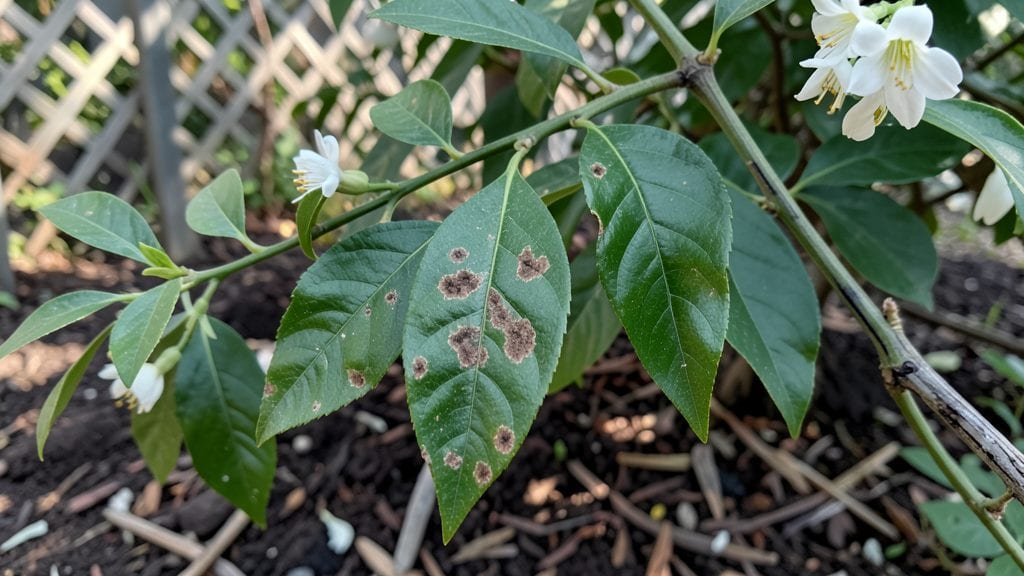
Jasmine plant fungus can turn your fragrant climber into a sad, spotted mess—but you can save both the plant and its soil. I’ve wrestled with powdery mildew and root rot on my own jasmine, and what I learned changed how I care for it forever.
The key isn’t just treating the fungus; it’s fixing the conditions that let it take hold in the first place.
Most fungal issues start with too much moisture or poor airflow. Powdery mildew thrives on damp leaves, while root rot creeps in when soil stays soggy.
I’ve seen jasmine plants go from lush and fragrant to limp and brown in just a few weeks—until I adjusted my watering and pruned for better circulation. The good news? Once you spot the signs, you can act fast without chemicals that harm the roots or soil.
You’ll prune away infected stems, apply organic fungicides like neem oil or copper spray, and tweak your watering routine to keep the soil just moist—not drenched. Within weeks, your jasmine will bounce back with fresh green leaves and that signature sweet scent.
The secret is catching it early and giving your plant the airflow it craves.
This works for both outdoor jasmine vines and potted varieties, whether you’re dealing with powdery mildew on the foliage or root rot gnawing at the base. Let’s get your jasmine back to its glory days—without sacrificing the soil or roots in the process.
Root Causes Of Fungal Issues
Fungal infections in jasmine plants—like powdery mildew, root rot, or leaf spot—don’t just appear out of nowhere. They thrive because of specific conditions that create the perfect storm for spores to spread and infect your plant.
Understanding these triggers is the first step to prevention and humane removal. Let’s break down the science behind why fungi target your jasmine and how to spot the warning signs early.
Fungi love moisture, and jasmine plants—especially varieties like Jasminum officinale—are particularly susceptible when humidity levels climb above 70% without adequate airflow. Here’s why:
- Spores Spread Like Wildfire 🔥: High humidity creates a thick, damp atmosphere where fungal spores (like those from Botrytis or Erysiphe) can float freely and land on leaves, stems, or soil.
Once settled, they germinate within 24–48 hours if conditions stay ideal. - Stagnant Air = Fungal Buffet 🍽️: Poor airflow traps moisture near the plant, mimicking a greenhouse effect.
Fungi like Alternaria (which causes leaf spots) thrive in these conditions because spores don’t dry out. - Root Zone Nightmares 💦: Overly wet soil (from overwatering or poor drainage) leads to root rot caused by fungi like Phytophthora. Roots suffocate in anaerobic (low-oxygen) soil, making them easy targets.
Actionable Fixes:
- Use a hygrometer to monitor humidity—aim for 40–60% during the day.
- Space plants 12–18 inches apart to improve airflow.
- Add a small fan (on low) near the plant to circulate air without damaging delicate leaves.
Jasmine plants are drought-tolerant but hate soggy conditions. Fungal infections often stem from watering habits that create the wrong environment:
- Overwatering = Fungal Party 🎉: When soil stays wet for more than 2–3 days, fungi like Pythium (a root rot culprit) multiply rapidly.
Roots weaken, turn brown, and emit a musty smell—a red flag. - Underwatering Stress 😵: While less direct, chronically dry soil weakens the plant’s defenses, making it vulnerable to secondary fungal infections (like powdery mildew) when moisture finally returns. - Wet Foliar Fungus 🌧️: Watering leaves (especially in the evening) leaves droplets that linger, creating perfect landing pads for spores.
This is how powdery mildew (Erysiphe) gets its foothold.
Actionable Fixes:
- Water at the base (not overhead) and use a soaker hose or drip irrigation to avoid wetting leaves.
- Let the top 1–2 inches of soil dry out between waterings—stick your finger in to test!
- Morning watering is key: Leaves dry quickly in sunlight, reducing fungal risk.
Fungi aren’t picky, but they do prefer certain soil conditions. Jasmine plants in acidic or overly alkaline soil (pH <5.5 or >7.5) become stressed, making them easier targets:
- Too Acidic (pH <6.0) 🍋: Fungi like Fusarium (which causes wilt) thrive in acidic soils because they produce toxic metabolites that weaken plant roots.
Jasmine roots struggle to absorb nutrients, leading to stunted growth and fungal entry points. - Too Alkaline (pH >7.5) 🧪: High pH locks out essential nutrients like iron and manganese, causing yellowing leaves (chlorosis).
Weakened plants can’t fight off infections like leaf spot (Septoria). - Compacted or Poor-Draining Soil 🏗️: Heavy clay or poorly amended soil traps moisture and lacks beneficial microbes that naturally suppress fungi. Without aeration, roots suffocate, and fungi move in.
Actionable Fixes:
- Test soil pH with a home kit or send a sample to a lab. Aim for 6.0–7.0 for jasmine.
- Amend soil with compost or perlite to improve drainage and aeration.
- Add mycorrhizal fungi (beneficial soil microbes) to outcompete harmful strains.
Stressed plants are like open doors for fungi. Any damage—whether from pests, pruning, or environmental shocks—creates entry points for spores:
- Pruning Wounds ⚔️: Cutting stems without sterilizing tools can introduce fungal spores directly into the plant. Colletotrichum (a common pathogen) exploits fresh cuts to infect jasmine.
- Pest Damage 🐜: Insects like aphids or spider mites weaken plants by sucking sap, leaving behind honeydew—a sticky substance that fosters sooty mold (a fungal growth).
- Temperature Shocks ❄️🔥: Sudden drops below 50°F (10°C) or heatwaves stress jasmines, lowering their resistance to fungi like powdery mildew.
Actionable Fixes:
- Sterilize pruning tools with rubbing alcohol between cuts.
- Inspect plants weekly for pests and treat with neem oil (fungicidal and pest-repellent).
- Acclimate plants gradually to temperature changes to avoid shock.
Fungi spread like weeds—especially if you’re not careful with hygiene. Cross-contamination is a silent killer:
- Dirty Tools 🔪: Pruners, gloves, or pots harboring old fungal spores can reinfect your jasmine after "removal." - Infected Mulch or Soil 🌱: Using compost or topsoil from a previously infected area introduces spores back into your garden. - Neighboring Hosts 🌳: Fungi like powdery mildew jump between plants.
If your jasmine is near an infected rose or impatiens, it’s at risk.
Actionable Fixes:
- Disinfect tools with 10% bleach solution or hydrogen peroxide after each use.
- Solarize soil (cover with clear plastic for 4–6 weeks in summer) to kill fungal spores before replanting.
- Isolate infected plants immediately to prevent spread.
How to Treat Fungal Issues Safely
Fungal infections in jasmine plants can be distressing, but the good news is that most issues are manageable with the right approach. Below, we’ve mapped out practical, humane solutions tailored to common causes—from overwatering to poor airflow—while ensuring your soil and roots stay healthy.
Think of this as a step-by-step rescue plan for your jasmine, with prevention tips to keep future outbreaks at bay.
Cause: Overwatering, poor drainage, or soggy soil. Fix:
- 🚰 Stop Watering Immediately Let the top 1–2 inches of soil dry out completely before watering again. Stick your finger in the soil—if it’s damp past your first knuckle, wait.
- 🌱 Repot in Fresh, Drainage-Friendly Soil
- Remove the plant gently and trim any soft, black, or mushy roots (use sterilized scissors).
- Repot in a well-draining mix (cactus/succulent soil + perlite or orchid bark works well).
- Choose a pot with drainage holes—no exceptions!
- 💧 Adjust Your Watering Routine
- Water only when the topsoil is bone-dry (every 7–10 days, depending on climate).
- Use a self-watering pot with a moisture meter if consistency is an issue.
💡 Prevention Tip:
- Avoid saucers under pots unless you empty them 30 minutes after watering.
- Mulch lightly (with bark or gravel) to regulate moisture without suffocating roots.
Cause: High humidity, poor airflow, or crowded foliage. Fix:
- 🌬️ Improve Air Circulation
- Prune back overlapping leaves to let air flow freely.
- Move the plant to a bright, indirect spot (direct sun can stress it further).
- Use a small fan on low setting near the plant (trust us, it works!).
- 🧼 Cleanse with Natural Fungicides - Baking Soda Spray: Mix 1 tsp baking soda + 1 quart water + a drop of dish soap.
Spray both sides of leaves weekly until gone. - Neem Oil: Dilute 1 tbsp neem oil + 1 quart water + 1 tsp mild soap. Spray every 5–7 days (neem is preventive too!).
- 🌿 Remove Infected Leaves
- Snip off heavily mildewed leaves with sterilized scissors and dispose of them (don’t compost!).
💡 Prevention Tip:
- Space plants 6+ inches apart if growing multiple jasmines.
- Water in the morning so foliage dries quickly.
Cause: Fungal spores in wet stems (often from overhead watering or humidity). Fix:
- 🔪 Prune Infected Stems Aggressively
- Cut back any stems with dark, mushy spots to healthy green tissue (use rubbing alcohol to sterilize tools).
- Dispose of clippings away from the garden.
- 🌡️ Boost Fungus-Fighting Conditions
- Reduce humidity with a dehumidifier or open windows.
- Space plants to improve airflow.
- 🛡️ Apply a Fungicide Barrier
- Spray copper fungicide (like Copper Soap) on stems and soil once a week for 3 weeks.
- For organic options, garlic spray (blend 2 garlic cloves + 1 quart water, strain, and spray) works wonders.
💡 Prevention Tip:
- Water at the base (never overhead) to keep stems dry.
- Avoid wetting foliage when watering.
To keep your jasmine fungus-free for good, adopt these proactive habits:
- 🌿 Rotate pots every 2–3 years to prevent soil-borne fungi from building up.
- 🍃 Sterilize tools with 70% isopropyl alcohol before pruning.
- 🌡️ Monitor humidity—aim for 40–60% with a hygrometer.
- 🌞 Give it sunlight (6+ hours daily) to strengthen natural defenses.
✨ Final Reminder: Fungal issues are rarely a death sentence—they’re just your jasmine’s way of saying, “Adjust my care, and I’ll bounce back!” With these fixes, your plant will thrive while keeping soil and roots untouched. Now, go save that jasmine! 🌸
Frequently asked questions
What are the first signs of fungus on my jasmine plant?
Watch for white powdery spots on leaves (powdery mildew), dark brown patches with yellow halos (leaf spot), or mushy stems with a foul smell (root rot). Fungal growth often starts on older leaves or crowded foliage where airflow is poor. Check both leaf surfaces and soil moisture levels immediately.
Can I save my jasmine if the roots are already rotting?
Yes, but act fast! Trim away all soft, blackened roots with sterilized scissors, then repot in fresh, well-draining soil. Reduce watering to let the soil dry completely between sessions. For severe cases, treat with a hydrogen peroxide solution (1 part 3% peroxide to 4 parts water) to kill remaining spores.
Will neem oil really stop fungal spread in jasmine?
Neem oil disrupts fungal spores' ability to reproduce while strengthening the plant's natural defenses. Mix 1 tablespoon neem oil + 1 quart water + 1 teaspoon mild soap and spray every 5-7 days until symptoms disappear. It works best as a preventive measure when applied to dry leaves in the morning.
How do I prevent fungus from coming back after treatment?
Focus on three key habits: improve airflow by pruning crowded growth, water at the base (never overhead), and sterilize tools between cuts. Space plants 12-18 inches apart and use a small fan on low setting near the plant to keep humidity below 60% during the day.
Is it safe to compost jasmine leaves with fungus?
Never compost infected plant material! Fungal spores can survive composting and reinfect your garden. Instead, bag the clippings and dispose of them in the trash or burn them. This prevents cross-contamination with other plants in your yard.