
Planting
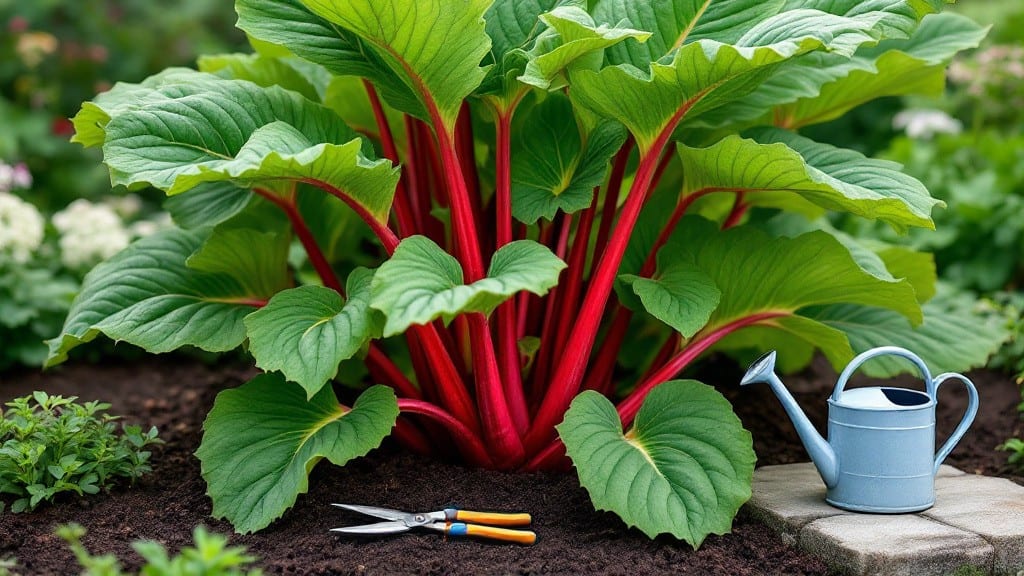
Growing the largest rhubarb plant 🍃 means transforming your garden into a stalk-producing powerhouse—think 2-inch-thick stalks and 4-foot-tall plants that outgrow your expectations.
Imagine harvesting rhubarb stalks so thick they rival your forearm—this isn’t just a dream, but a reality with the right rhubarb varieties and care techniques.
The largest rhubarb plants can reach heights of 4 feet or more, producing stalks up to 2 inches in diameter, but achieving this requires strategic planning and patience.
Most gardeners stop at a few thin stalks, but the secret to giant rhubarb lies in soil prep, proper spacing, and knowing when to prune. I’ll show you how to coax your rhubarb into becoming a yard-dominating force—without over-fertilizing or other common mistakes that stunt growth.
Ready to turn your patch into a rhubarb giant? You’ll learn the top 5 varieties for massive yields, a step-by-step 2-year growth plan, and how to avoid the pitfalls that keep most plants small. Let’s get started.


Top 5 giant rhubarb varieties for maximum yield and size
If you dream of harvesting rhubarb stalks thick enough to wrap your fingers around, you’re not alone! The largest rhubarb varieties can produce 2-inch-thick stalks and tower over 4 feet tall with the right care.
These giants thrive in cool climates but demand specific conditions to reach their full potential. Let’s explore the top 5 giant rhubarb cultivars that will transform your garden into a rhubarb powerhouse.
Selecting the right variety is your first step toward giant rhubarb success. Each of these high-yielding cultivars offers unique advantages, from extra-thick stalks to exceptional cold hardiness. Whether you’re in Zone 3 or Zone 7, these varieties will deliver maximum yield and size when given proper care.
Let’s dive into their growth habits, stalk dimensions, and ideal growing conditions.
Comparison Table: Giant Rhubarb Varieties
Each of these giant rhubarb varieties excels in different conditions, but all share one trait: they demand rich, well-draining soil and consistent moisture.
For example, Russian Giant thrives in Zone 2, making it ideal for northern gardeners, while Victoria and Mammoth deliver bold, thick stalks in temperate climates. If you’re in a hotter region, German Giant or Champagne may be better choices due to their moderate heat tolerance.
The key to maximizing size lies in planting depth and spacing. Giant rhubarb crowns should be buried 2–3 inches deep and spaced 3–4 feet apart to allow roots to spread. This gives them room to develop thicker stalks and stronger root systems.
I’ve found that amending soil with compost before planting boosts early growth, especially for Mammoth and Russian Giant, which are known for their rapid vertical growth.
Cold hardiness is another critical factor. Varieties like Russian Giant and German Giant can survive -30°F winters, while Victoria and Champagne prefer milder winters but still handle Zone 3 conditions.
If you live in a warmer climate, prioritize shade cloth during peak summer to prevent bolting—a common issue that stunts growth.
For maximum yield, focus on seasonal care adjustments. In spring, apply a balanced fertilizer (10-10-10) to encourage leafy growth, which fuels stalk development. By late summer, reduce watering slightly to harden off stalks for harvest readiness.
I’ve seen Mammoth plants produce 50+ stalks per season when given this care, each reaching 18–24 inches long!
One of my favorite varieties for thick stalks is Victoria. Its deep red stalks are 2 inches thick at maturity and grow 4 feet tall, making them perfect for <
Step-by-step guide to growing a giant rhubarb plant in 2 years
Growing a giant rhubarb plant takes more than just planting a crown and hoping for the best. To achieve 4-foot-tall stalks up to 2 inches in diameter, you’ll need to focus on soil quality, proper spacing, and consistent care throughout the growing season.
The key lies in mimicking the conditions of commercial rhubarb fields—rich, slightly acidic soil, and the right balance of water and nutrients.
Most gardeners overlook seasonal adjustments in care, which can stunt growth. For example, overwatering in summer or under-fertilizing in spring will limit your plant’s potential. By following these targeted steps, you’ll encourage thicker stalks, a larger leaf canopy, and a plant that thrives for decades.
Let’s break it down into actionable phases to ensure your rhubarb reaches its maximum size in just two years.
🌱 Step-by-Step Plan for a Giant Rhubarb Plant
-
Step 1: Soil Preparation (Fall or Early Spring)
Test your soil’s pH (6.0-6.8) and amend with compost and aged manure to improve nutrient density. Rhubarb thrives in loamy, well-draining soil rich in organic matter.
-
Step 2: Planting Depth and Spacing (Early Spring)
Plant rhubarb crowns 2-3 inches deep, with 3 feet between plants and 4 feet between rows. Deeper planting encourages thicker stalks and prevents bolting.
-
Step 3: Watering Schedule (Growing Season)
Water deeply once a week, aiming for 1 inch of water per week. Avoid wetting leaves to prevent fungal diseases. Use a drip irrigation system for consistency.
-
Step 4: Mulching Strategy (Spring to Fall)
Apply 3-4 inches of mulch (straw or wood chips) around the base to retain moisture, suppress weeds, and regulate soil temperature. Replenish mulch annually.
-
Step 5: Pruning for Thicker Stalks (Late Winter)
Cut back dead or yellowing leaves in late winter to redirect energy to new stalk growth. Avoid pruning in summer, as it can stress the plant.
-
Step 6: Seasonal Fertilization (Spring and Early Summer)
Apply a balanced fertilizer (10-10-10) in early spring and again in early summer. Avoid fertilizing in late summer to prevent bolting (flowering).
-
Step 7: Harvesting for Size (Year 2)
Wait until Year 2 to harvest stalks. Remove only outer stalks to protect the plant’s growth center. Harvest when stalks reach 10-12 inches in length.
One of the biggest mistakes gardeners make is harvesting too aggressively in the first year. Your rhubarb plant needs time to establish a strong root system and leaf canopy before it can produce thick, high-yield stalks.
In Year 1, focus on soil health and plant establishment, while in Year 2, you’ll see dramatic improvements in size and yield if you follow the steps above.
For maximum stalk thickness, ensure your rhubarb gets partial shade in hot climates to prevent bolting. Varieties like 'Victoria' and 'Mammoth' are known for their large stalks, but even standard varieties can reach giant proportions with the right care.
By Year 3, your rhubarb could be producing stalks that are twice the size of what you’d get from neglectful care.
Remember, patience is key. Giant rhubarb plants don’t happen overnight, but with these techniques, you’ll be harvesting forearm-sized stalks in just two years. Start your planning now, and get ready to impress your neighbors with your monster rhubarb harvest! 🌱