
Diseases
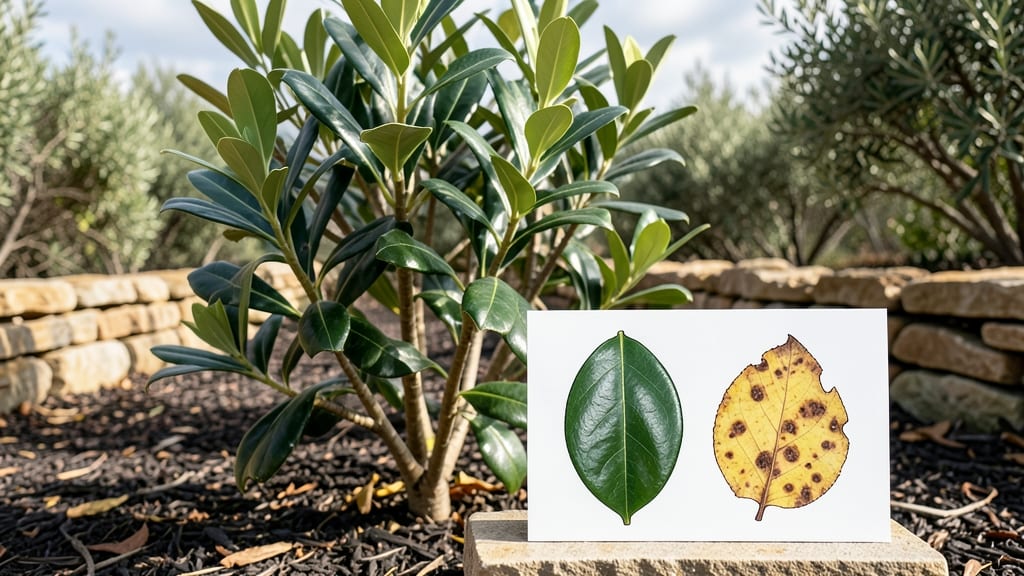
Laurel plant diseases can turn your glossy evergreen into a sad, spotted mess if you don’t catch them early. 🌿 I’ve seen healthy laurels go from vibrant to wilted in weeks when fungal or bacterial infections take hold—usually because the leaves stay wet too long or the plant gets crowded out.
The good news? Most issues respond to simple fixes once you know what to look for.
Common culprits include powdery mildew (white fuzzy patches), leaf spot (brown or black splotches), and root rot (yellowing leaves and mushy stems). Prevention starts with proper spacing, good air circulation, and avoiding overhead watering.
If you already see signs, don’t panic—organic sprays like neem oil or copper fungicide can turn things around fast, especially if you catch it before the disease spreads.
You’ll spot the difference within days after treatment: new growth stays crisp, leaves stop yellowing, and the plant regains its glossy sheen. The key is acting fast—once the disease moves past the leaves, it can weaken the whole plant.
I’ve saved laurels that looked doomed just by adjusting care and applying the right treatment.
Works for all laurel varieties, whether you’re growing them as hedges, potted plants, or landscape accents. Here’s how to diagnose, treat, and keep your laurels thriving for years.
Root Causes of Laurel Trouble
Laurel plants—whether Laurus nobilis (bay laurel) or ornamental varieties—can fall prey to diseases due to a mix of environmental stress, poor care, and microbial invaders. Understanding why these issues arise is the first step to prevention and treatment. Below, we break down the most common culprits and their scientific triggers.
Laurel plants thrive in well-draining soil, and when they’re overwatered or planted in heavy, compacted soil, their roots suffocate. This creates the perfect breeding ground for Phytophthora (a water mold) and Pythium (a soilborne fungus), both of which cause root rot.
- Why it happens: Excess moisture in the soil reduces oxygen levels, weakening the plant’s defenses and allowing pathogens to multiply.
- Actionable fix:
- Ensure pots have drainage holes and soil mixes include perlite or sand.
- Avoid watering until the top 1–2 inches of soil are dry.
- Raise containers slightly to prevent water pooling.
Fungal diseases like Cercospora leaf spot and Botrytis blight flourish when humidity levels stay high (above 70%) and there’s little airflow. Laurel leaves, particularly in dense foliage, trap moisture, creating ideal conditions for spore germination.
- Why it happens: Fungal spores land on leaves and germinate within 24–48 hours if moisture lingers. Poor circulation also slows evaporation, prolonging the problem.
- Actionable fix:
- Space plants 3–5 feet apart for airflow.
- Water in the early morning to allow leaves to dry by evening.
- Use a dehumidifier or fan in greenhouses.
Laurel plants are susceptible to Xanthomonas and Pseudomonas bacteria, which enter through physical damage—like pruning cuts, insect bites, or hail marks. These bacteria thrive in warm, wet conditions, spreading rapidly through sap and rain splash.
- Why it happens: Open wounds disrupt the plant’s protective cuticle layer, allowing bacteria to colonize and clog vascular tissues (leading to wilting or oozing lesions).
- Actionable fix:
- Sterilize pruning tools with 70% isopropyl alcohol before and after use.
- Avoid overhead watering; use drip irrigation instead.
- Remove infected leaves immediately and dispose of them in sealed bags.
Laurel plants weakened by nutrient imbalances (e.g., low nitrogen or magnesium) are more vulnerable to diseases. Stress from transplant shock, extreme heat, or compacted soil also lowers their resistance to pathogens.
- Why it happens: Deficiencies (like chlorosis from iron/manganese lack) impair the plant’s ability to produce antimicrobial compounds, making it an easy target for opportunistic microbes.
- Actionable fix:
- Test soil pH (ideal: 6.0–7.0) and amend with compost or chelated iron if needed.
- Fertilize in early spring with a balanced 10-10-10 formula.
- Mulch with wood chips to regulate soil temperature and retain moisture.
💡 Pro Tip: Most laurel diseases start with one of these four issues. By addressing water management, airflow, wound care, and soil health, you can drastically reduce the risk of infections before they take hold.
Quick Fixes for Laurel Leaf Troubles
Reviving your laurel plant starts with identifying the right remedy for its ailments. Whether it’s fungal spots, bacterial blights, or pest invasions, these targeted solutions will help you nurse your plant back to health—without losing your sanity (or your favorite green thumb).
Below, we’ve mapped out practical fixes for each common issue, plus prevention tips to keep future problems at bay.
Fungal infections like anthracnose, powdery mildew, or leaf spot thrive in damp, stagnant conditions. Here’s how to tackle them:
🔥 Prune and Clean Infected Areas
- Use sterilized pruners (wipe with rubbing alcohol) to trim away yellow, brown, or spotted leaves.
- Remove debris from the soil surface—fungi love hiding in old leaves!
- Pro Tip: 💡 Don’t compost infected foliage; throw it in the trash instead.
🍳 Apply Fungicide (Organic or Chemical)
- For mild cases: Mix 1 tbsp baking soda + 1 tsp neem oil + 1 quart water in a spray bottle.
Test on a small leaf first! - For severe outbreaks: Use a copper-based fungicide (like Bordeaux mixture) or systemic fungicides (e.g., myclobutanil). - Spray undersides of leaves (where fungi often hide) and repeat every 7–10 days until new growth appears.
🌡️ Improve Airflow and Light
- Space plants 2–3 feet apart to reduce humidity buildup.
- Avoid overhead watering—use a drip irrigation system or water at the base.
- Increase sunlight (if possible) to dry leaves faster. Most laurel varieties need 6+ hours of sun daily.
🌱 Prevention for Next Time
✅ Water in the morning so leaves dry by evening. ✅ Mulch with gravel (not organic mulch) to prevent soil-borne fungi. ✅ Rotate fungicides if you use them often to avoid resistance.
Bacterial diseases (like bacterial leaf spot or blight) spread via contaminated water or tools. They can’t be cured—only contained.
👨🍳 Remove and Destroy Infected Parts
- Snip off diseased leaves immediately and sterilize tools between cuts.
- Do NOT compost—burn or trash infected plant material to prevent spread.
🥘 Use Copper-Based Bactericides
- Spray with a copper fungicide/bactericide (e.g., Copper Sulfate) every 10–14 days for 3–4 weeks.
- Avoid chemical bactericides—they often harm beneficial microbes in the soil.
🔪 Isolate the Plant
- Move the laurel at least 10 feet away from other plants until symptoms disappear.
- Wash hands and tools with soap and alcohol after handling.
🎯 Long-Term Prevention
✅ Sterilize pruners before and after use (bleach or alcohol). ✅ Avoid wetting leaves when watering—aim for the soil. ✅ Choose resistant varieties (e.g., English laurel is less prone to bacterial issues than some hybrids).
Pests like aphids, spider mites, or scale insects weaken laurels, making them susceptible to diseases.
🔪 Blast Off Pests with Water
- Strong spray from a hose (or a plant mister) dislodges aphids and spider mites.
- Repeat every 2–3 days for severe infestations.
🍳 Introduce Beneficial Insects
- Ladybugs, lacewings, or parasitic wasps eat aphids and mites naturally. Buy them from garden centers!
- Neem oil spray (1 tsp neem oil + 1 quart water + drop of dish soap) smothers pests on contact.
💊 Use Systemic Insecticides (Last Resort)
- For heavy infestations, apply imidacloprid (systemic pesticide) to the soil.
- Follow label instructions—overuse can harm beneficial insects.
🌡️ Boost Plant Health to Deter Pests
- Fertilize with balanced NPK (10-10-10) in early spring to strengthen growth.
- Reduce stress by ensuring proper watering (1 inch per week) and well-draining soil.
If your plant is weak from disease or neglect, try these quick recovery steps:
- Repot if needed – Use fresh, well-draining soil (mix garden soil with perlite).
- Fertilize lightly – A slow-release granular fertilizer (like 10-10-10) helps recovery.
- Trim back dead growth – Encourages new, healthy foliage.
- Monitor daily – Check for new symptoms and adjust care as needed.
Final Pro Tip: 🌿 Prevention is easier than cure! Regularly inspect your laurels, clean up debris, and maintain good airflow to keep diseases and pests from taking hold. With these fixes, your laurel will be back to its lush, disease-free glory in no time!
Frequently asked questions
What are the first signs my laurel plant might have a disease?
Watch for yellowing leaves, black or brown spots (especially on undersides), and white powdery coatings. Wilting or stunted growth are also red flags. These symptoms often appear before the disease spreads, so act fast by inspecting leaves regularly and removing any suspicious foliage immediately.
Can I save my laurel if it already has large brown spots?
Yes, but you’ll need to act quickly. Prune away all infected leaves with sterilized tools, then treat with a copper fungicide or neem oil spray. Improve airflow by spacing plants 3-5 feet apart and water at the base instead of overhead. With consistent care, new growth should appear within 2-4 weeks.
Why does my laurel get diseases more often in summer?
Summer’s high humidity and frequent rain create perfect conditions for fungal growth. Laurel leaves also stay wet longer in warm weather, giving spores 24-48 hours to germinate. To prevent summer outbreaks, water in the morning, avoid overhead irrigation, and prune for better airflow—especially in dense hedges.
Is it safe to use household items like baking soda to treat laurel diseases?
Yes! A baking soda spray (1 tbsp baking soda + 1 tsp neem oil + 1 quart water) works well for mild fungal issues like powdery mildew. Test on a small leaf first, and reapply every 7-10 days until symptoms fade. For bacterial diseases, baking soda won’t work—use copper-based treatments instead.
How do I know if my laurel’s problem is a disease or just poor care?
Check for physical symptoms: Diseases cause spots, powdery coatings, or oozing lesions, while poor care (like overwatering) leads to yellowing without spots or drooping from root stress. Adjust watering first—if symptoms persist, it’s likely a disease. Always sterilize tools when pruning to avoid spreading issues.