
Diseases
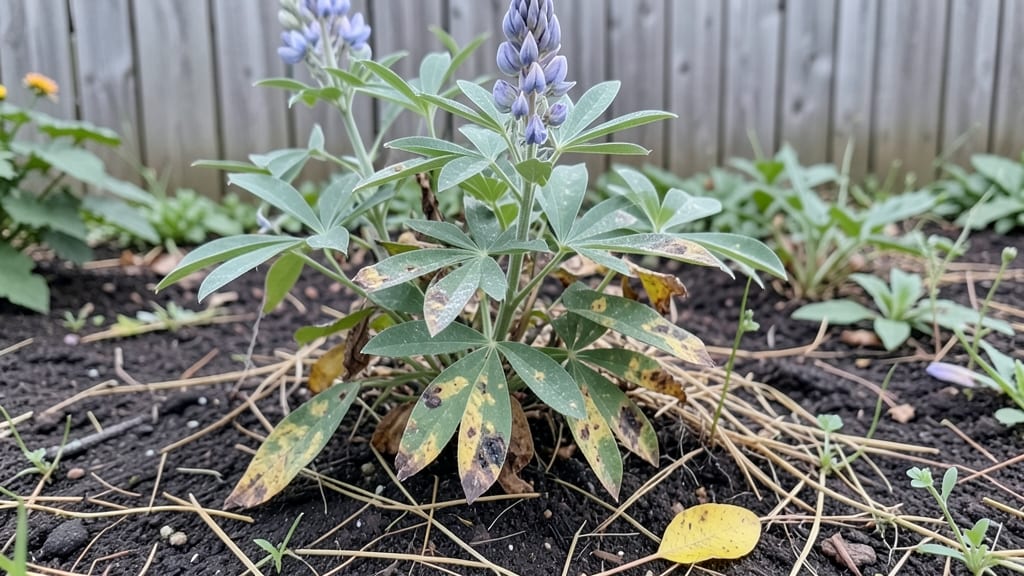
Lupine plant diseases can turn vibrant blue spikes into a sad, yellowing mess—fast. 🌿 I’ve watched my own lupines go from showstopper to sickly in just weeks, and I’ll tell you exactly how to spot the early signs before they get out of control.
The key is catching problems like powdery mildew or root rot before they spread, and knowing which treatments actually work.
Most lupine diseases start with poor airflow or overwatering, creating the perfect damp conditions for fungi and bacteria to move in. I learned the hard way that mulching too thickly or planting too close together traps moisture, inviting trouble.
The good news? Simple fixes—like adjusting watering schedules or adding compost—can often reverse the damage before it’s permanent.
You’ll recognize trouble by spotting white powder on leaves (powdery mildew) or dark, mushy stems (root rot). Once identified, treatments like neem oil or copper fungicide can save your plants, but prevention is the real game-changer. Proper spacing and well-draining soil keep lupines thriving season after season.
Even experienced gardeners sometimes miss early warning signs, but with these strategies, you’ll keep your lupines healthy and blooming. Let’s get into the specifics of what to watch for and how to fix it—before your garden loses its star performer.
Root Causes Of Lupine Illnesses
Understanding why lupine plants fall prey to diseases starts with recognizing their natural vulnerabilities and environmental triggers. Lupine plants (Lupinus spp.) are hardy but not invincible—they thrive in nutrient-poor soils but are highly susceptible to fungal and bacterial pathogens when conditions align.
Below, we break down the key reasons lupines develop diseases, from soil chemistry to climate, and how these factors create the perfect storm for infection.
Fungi like Phytophthora, Fusarium, and Rhizoctonia are the silent saboteurs of lupine health.
These pathogens thrive in environments where: - High humidity (70%+ relative humidity) prevents lupine leaves from drying quickly after rain or irrigation. - Poor drainage keeps roots waterlogged, suffocating roots and creating anaerobic zones where fungi multiply. - Cool temperatures (50–70°F) slow lupine growth but don’t hinder fungal spores, giving them a competitive edge.
Why it matters: Lupines are native to Mediterranean climates, where dry, warm summers and cool, wet winters are the norm. When you mimic these conditions too closely—especially in shaded, poorly ventilated gardens—fungi exploit the imbalance. Actionable fix: Space plants for airflow, avoid overhead watering, and choose well-draining soil mixes.
Bacterial diseases like crown gall (Agrobacterium tumefaciens) and leaf spot (Xanthomonas spp.) don’t just appear—they invade.
These pathogens enter lupines through: - Physical damage from pruning, hail, or insect bites (e.g., aphids or beetles). - Contaminated tools (pruners, gloves) carrying bacteria from infected plants. - Splashing water during rain or irrigation, spreading bacteria from soil to foliage.
Why it matters: Lupines have thin, delicate stems and leaves, making them easy targets. Once bacteria breach the plant’s defenses, they multiply rapidly in warm, moist conditions (75–85°F). Actionable fix: Sterilize tools with rubbing alcohol, remove infected debris immediately, and water at the base (not leaves).
Lupines are adapted to low-phosphorus soils, but modern gardening practices can disrupt this balance:
- Excess nitrogen (from synthetic fertilizers or compost) weakens lupine’s natural disease resistance by promoting lush, soft growth that fungi love.
- Compacted or alkaline soil (pH >7.0) reduces beneficial microbial activity, leaving lupines defenseless against pathogens.
- Organic matter overload (e.g., fresh manure) can introduce fungal spores or create anaerobic pockets in the soil.
Why it matters: Healthy lupines rely on mycorrhizal fungi (beneficial soil fungi) for nutrient uptake. When soil chemistry is off, these allies vanish, and harmful pathogens take over. Actionable fix: Test soil pH (aim for 6.0–7.0) and use slow-release, organic fertilizers like bone meal (low in nitrogen) instead of synthetic blends.
Lupines evolved in Mediterranean climates with distinct wet/dry seasons.
When you grow them in: - Tropical or subtropical climates (high humidity year-round), fungal diseases like powdery mildew (Erysiphe spp.) flourish. - Temperate zones with sudden temperature swings (e.g., hot days followed by cold nights), lupines struggle to adapt, leaving them stressed and susceptible to bacterial blight. - Greenhouse or indoor settings with stagnant air, fungi like Botrytis (gray mold) spread unchecked.
Why it matters: Lupines need dry, warm summers to harden off and cool, moist winters to rest. Disrupt this cycle, and diseases exploit the confusion. Actionable fix: In humid climates, grow lupines in raised beds with excellent drainage. In greenhouses, use fans to circulate air and avoid overhead irrigation.
While not diseases themselves, insects and mites create entry points for pathogens:
- Aphids and leafhoppers inject toxins while feeding, weakening lupine tissue.
- Root-knot nematodes damage roots, making them vulnerable to Fusarium or Phytophthora.
- Spider mites reduce lupine vigor, lowering its ability to fight off infections.
Why it matters: A healthy lupine can fend off light infections, but a pest-stressed plant becomes a buffet. Actionable fix: Monitor plants for pests weekly, use neem oil for soft-bodied insects, and introduce beneficial nematodes (Steinernema spp.) for underground threats.
Lupines grown too closely together or in monoculture (planting only lupines) create a high-risk zone because:
- Airflow is restricted, trapping humidity and fungal spores.
- Debris (fallen leaves, stems) harbors pathogens and provides a food source for fungi.
- Cross-contamination spreads diseases from one plant to another via splashing water or tools.
Why it matters: Fungi like Botrytis can survive in dead plant material for years, waiting for the next susceptible host. Actionable fix: Prune regularly to remove dead growth, rotate crops if growing lupines annually, and space plants 12–18 inches apart for airflow.
Lupine diseases don’t strike randomly—they’re the result of environmental imbalances your plants can’t handle alone. By addressing moisture, soil health, pest pressure, and spacing, you remove the conditions that let pathogens thrive.
Think of it like disease prevention as a puzzle: remove one piece (e.g., poor drainage), and the whole picture changes.
Fixing Lupine Plant Problems
Lupines are hardy, beautiful plants—but when diseases strike, quick action can save your garden. Below are practical, step-by-step solutions for the most common fungal and bacterial threats, along with prevention tips to keep your lupines thriving.
Whether you're dealing with leaf spots, powdery mildew, or root rot, these fixes will help you restore your plants to full bloom.
Fungi thrive in damp, shaded conditions, so early intervention is key. Here’s how to tackle the most troublesome fungal diseases:
🍄 Powdery Mildew: Scrub and Spray
Powdery mildew appears as white, powdery patches on leaves, weakening plants over time.
- 🔥 Remove Infected Leaves – Snip off heavily affected foliage with sterilized pruners (wipe with rubbing alcohol between cuts). - 🍳 Homemade Spray Solution – Mix 1 tsp baking soda + 1 tsp horticultural oil + 1 quart water.
Spray both sides of leaves in the early morning (avoid direct sunlight). - 🌡️ Improve Airflow – Space plants 12–18 inches apart and prune nearby overgrowth to reduce humidity. - ✨ Prevent Recurrence – Apply neem oil spray (1 tbsp per quart of water) every 7–10 days during humid seasons.
💡 Pro Tip: Avoid overhead watering—use drip irrigation or water at the base to keep leaves dry.
🍃 Leaf Spot Diseases: Clean and Isolate
Leaf spots (often brown or black with yellow halos) spread rapidly in wet conditions.
- 🔪 Prune and Dispose – Cut off spotted leaves and dispose of them in the trash (not compost)—fungal spores can survive in soil.
- 👨🍳 Fungicide Application – Use a copper-based fungicide (like Copper Soap) or organic option (1 tbsp milk + 1 quart water spray).
- 🌿 Strengthen Plants – Ensure lupines get enough sunlight (6+ hours/day) and well-draining soil to resist stress.
- 🚫 Isolate Affected Plants – Move infected lupines at least 3 feet away from healthy ones until symptoms clear.
💡 Pro Tip: Rotate crops—if you’ve grown lupines in the same spot for years, move them to prevent soil-borne fungal buildup.
Bacterial infections (like bacterial blight or wilt) spread quickly and can be deadly. Act immediately to prevent total loss.
💀 Bacterial Blight: Cut and Sterilize
Symptoms include water-soaked spots, wilting, and oozing lesions.
- ⏰ Remove and Destroy – Burn or trash infected plants (do not compost)—bacteria can survive in organic matter.
- 🧼 Sterilize Tools – Clean pruners with bleach (1 part bleach to 9 parts water) between cuts.
- 🌧️ Avoid Overwatering – Water only at the base and ensure proper drainage (lupines hate soggy roots).
- 🛡️ Copper-Based Sprays – Apply copper fungicide (effective against some bacterial strains) preventatively in wet seasons.
💡 Pro Tip: Rotate plant families—don’t grow lupines (Fabaceae) in the same bed year after year to reduce bacterial buildup.
🌊 Root Rot: Rescue and Revive
Root rot (from overwatering or poor drainage) causes yellowing leaves, stunted growth, and mushy roots.
- 🚿 Stop Watering Immediately – Let the soil dry out completely before watering again. - 🔄 Repot or Improve Drainage – If in pots, repot in fresh, well-draining mix (add perlite or sand).
For garden beds, amend soil with compost and raise beds if drainage is poor. - 🍄 Fungal Treatment – Apply hydrogen peroxide (3%) to soil (1 tbsp per gallon of water) to kill fungal pathogens. - 🌱 Monitor and Support – Keep lupines in bright, indirect light and reduce watering until roots recover (usually 2–4 weeks).
💡 Pro Tip: Test your soil—lupines prefer slightly acidic to neutral pH (6.0–7.0). Adjust with lime (to raise pH) or sulfur (to lower pH) if needed.
The best cure? Stopping diseases before they start! Follow these easy, long-term strategies:
- ✅ Choose Resistant Varieties – Some lupines (like ‘Russell Hybrid’) are bred for disease resistance.
- 🌞 Maximize Sunlight – Lupines need full sun (6+ hours/day) to dry out quickly after rain.
- 💦 Water Wisely – Morning watering (not evening) reduces humidity and fungal growth.
- 🌿 Rotate Crops – Avoid planting lupines in the same spot for 3+ years to prevent soil-borne diseases.
- 🧹 Clean Up Debris – Remove fallen leaves and spent blooms to eliminate fungal spores.
- 🔄 Sterilize Tools – Always clean pruners, gloves, and pots with rubbing alcohol or bleach between uses.
Final Thought: Most lupine diseases are preventable with good hygiene and smart gardening. If you catch issues early, your plants can bounce back—sometimes even stronger than before! 🌿💪
Frequently asked questions
How do I tell if my lupine has powdery mildew vs. leaf spot?
Powdery mildew appears as a white, powdery coating on leaves, while leaf spot shows up as dark brown or black spots with yellow halos. Check the undersides of leaves—powdery mildew often starts there, while leaf spots are usually visible on both sides. If you see fuzzy gray mold, it could be Botrytis, which requires immediate action.
Can I save a lupine with root rot?
Yes, but act fast! Stop watering immediately, repot in fresh, well-draining soil, and treat with hydrogen peroxide (3%) (1 tbsp per gallon of water). Keep the plant in bright light and reduce watering until roots recover (2–4 weeks). If the roots are already mushy and black, the plant may not survive, but catch it early, and you can revive it.
Why does my lupine keep getting bacterial blight?
Bacterial blight thrives in wet, warm conditions (75–85°F) and spreads through contaminated tools or splashing water. Sterilize pruners with bleach solution (1:9 ratio), avoid overhead watering, and isolate infected plants. Rotating crops and using copper fungicide can also break the cycle.
Is neem oil safe for lupines, and how often should I use it?
Neem oil is safe for lupines and effective against fungal diseases like powdery mildew. Mix 1 tbsp per quart of water and spray every 7–10 days during humid seasons. Apply in the early morning to avoid leaf burn, and avoid spraying when flowers are open to protect pollinators.
Can I compost lupine leaves with fungal diseases?
No—never compost infected plant material! Fungal spores can survive in compost and reinfect your garden. Burn or trash diseased leaves and stems immediately. For severe cases, bag them in a sealed plastic bag for at least 2 weeks to kill spores before disposal.