
Container Gardens
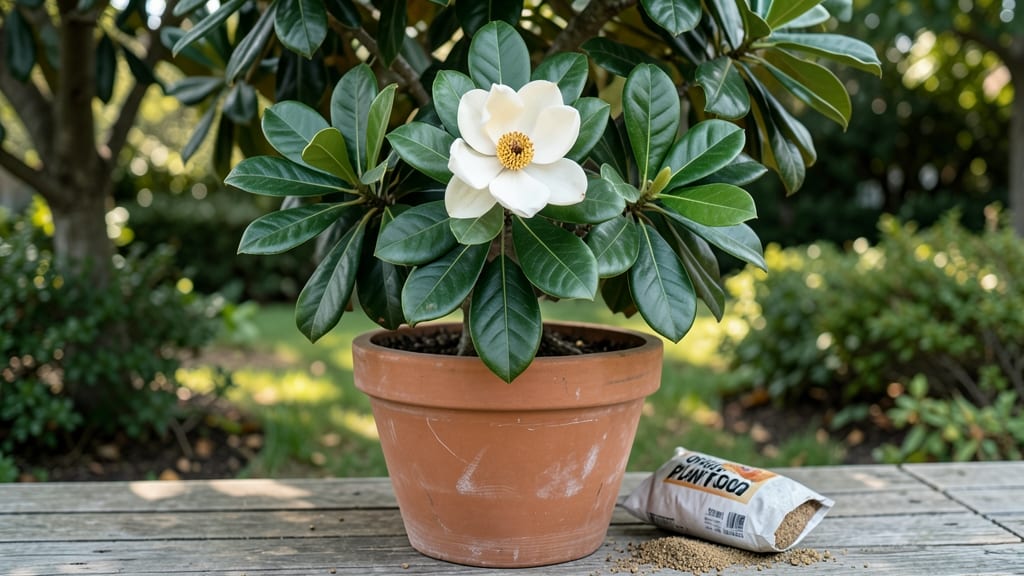
A magnolia potted plant can be your year-round showstopper—if you pick the right variety and give it the care it craves. I’ve grown these stunners in containers for years, and the secret isn’t just the blooms (though those are stunning).
It’s the right soil mix, the perfect light balance, and knowing when to let it nap during summer’s heat. My little patio magnolia throws out fragrant white blooms every spring and stays lush through winter, proving you don’t need a yard for drama.
Start with a small-leaf variety like ‘Little Gem’ or ‘Ann’—they handle pots better than their giant cousins. You’ll need a 5-gallon container minimum (bigger for mature plants), drainage holes, and a mix of 60% potting soil, 30% perlite, and 10% compost.
Water when the top inch feels dry, but never let it sit soggy—root rot is the silent killer of potted magnolias. And here’s the kicker: these plants love morning sun but hate afternoon scorching, so a shady patio spot in summer keeps them thriving.
By late spring, you’ll be rewarded with glossy foliage and blooms that smell like a Southern spring. Prune spent flowers after they fade to encourage more blooms next year, and fertilize lightly in spring with a balanced 10-10-10 mix.
The real magic? Moving your pot indoors before frost hits—just find a bright window and keep the air humid. No more excuses for skipping the magnolia magic in small spaces.
Works for balconies, doorsteps, or even sunny living rooms—just watch for spider mites (they adore dry air) and root-bound roots (repot every 2-3 years). With these tweaks, your potted magnolia will outshine every neighbor’s yard plant. Let’s get growing!
📚 In This Guide
- What you need
- Instructions
- Tips and common mistakes
- Wrapping up and next steps
What you need
- ● Magnolia plant: Choose a dwarf or container-friendly variety (e.g., Magnolia 'Little Gem' or Magnolia stellata). Ensure it’s healthy with vibrant leaves and no signs of pests.
- ● Pot: A 5–7 gallon container with drainage holes (terracotta or ceramic works best). For mature plants, opt for 10+ gallons.
- ● Well-draining potting mix: A blend of 50% high-quality potting soil, 30% perlite or pumice, and 20% compost (magnolias hate soggy roots!).
- ● Drainage layer: 1–2 inches of gravel or coarse sand at the bottom of the pot.
- ● Watering can or hose with a gentle spray nozzle: Avoid overwatering—magnolias prefer moist but not waterlogged soil.
- ● Gloves: Protect your hands from prickly stems or soil.
- ● Trowel or small shovel: For mixing soil and planting.
- ○ Pruning shears: Sterilized shears for trimming dead branches (optional but helpful for shaping).
- ● Mulch (e.g., pine bark or shredded leaves): Helps retain moisture and regulate soil temperature.
- ● Fertilizer: A balanced, slow-release fertilizer (10-10-10) or acid-loving plant food (e.g., Miracle-Gro Azalea/Camellia).
- ● Support stake or trellis: For taller varieties to prevent toppling (e.g., Magnolia grandiflora ‘Southern Charm’).
- ● Plant saucer or tray: Catches excess water and adds aesthetic appeal.
Instructions for growing a magnolia potted plant
With the right care, you can enjoy a stunning magnolia tree in containers for years. Here's how to keep it thriving in limited space.
Select the Right Magnolia Variety and Container
Choose a dwarf or semi-dwarf magnolia variety specifically bred for container growing, such as 'Little Gem' or 'Annabel.' These compact types handle root restrictions better than standard magnolias. The container must be at least 18 inches deep and wide—magnolias develop extensive root systems that need room to spread.
Ensure the pot has multiple drainage holes to prevent soggy roots, which can lead to root rot. I recommend using a fiberglass or plastic container because they retain moisture better than terra cotta, which can dry out too quickly. If you're using a decorative pot without drainage, place the plant in a saucer with pebbles and water to catch excess moisture.
Prepare the Potting Mix and Plant Properly
Fill the container with a well-draining potting mix that includes 20% perlite or sand to improve aeration. Magnolias prefer slightly acidic soil with a pH between 5.5 and 6.5. I like to mix 3 parts potting soil, 1 part peat moss, and 1 part perlite for the best results.
When transplanting your magnolia, dig up the root ball carefully and place it in the center of the container. Fill the gaps around the roots with the prepared mix, pressing gently to eliminate air pockets. Leave 2 inches of space between the soil surface and the pot’s rim to accommodate watering. Water thoroughly after planting to help the roots settle into their new home.
Provide the Ideal Light and Temperature Conditions
Magnolias love full sun to partial shade, with at least 6 hours of direct sunlight daily. In hot climates, afternoon shade helps prevent leaf scorch. If growing indoors near a window, rotate the pot quarter-turn weekly so the plant grows evenly toward the light.
Maintain temperatures between 60°F and 80°F for optimal growth. Avoid placing the pot near drafts, air conditioners, or heat vents, as magnolias are sensitive to sudden temperature swings. If you're growing in a cooler climate, bring the pot indoors before the first frost or protect it with a breathable frost cloth during winter.
Water and Fertilize for Healthy Growth
Water your magnolia when the top 1-2 inches of soil feel dry to the touch. Overwatering is a common mistake—magnolias prefer slightly drier conditions rather than soggy soil. In summer, you may need to water every 3-4 days, while winter watering can be reduced to once every 10-14 days. Always water at the base to avoid wetting the leaves, which can promote fungal diseases.
Fertilize in early spring with a balanced, slow-release fertilizer (10-10-10 or similar). Apply according to the package instructions, usually every 4-6 weeks during the growing season. Avoid fertilizing in late summer or fall, as this can encourage tender new growth that won’t survive winter. Mulch the soil surface with 2-3 inches of organic mulch to retain moisture and regulate soil temperature.
Prune and Maintain Year-Round
Prune your magnolia in late winter or early spring before new growth begins. Remove any dead, diseased, or crossing branches to improve airflow and shape. You can also lightly trim to encourage bushier growth, but avoid heavy pruning—magnolias respond poorly to aggressive cuts. Use clean, sharp pruning shears to make cuts just above a bud or branch collar.
Watch for pests like scale insects or spider mites, which can stress container-grown magnolias. If you spot any, treat with neem oil or insecticidal soap as needed. In winter, protect the pot from freezing temperatures by wrapping it in burlap or moving it to a sheltered location. With consistent care, your potted magnolia will reward you with fragrant blooms and lush foliage for years to come.
Tips & tricks for perfect magnolia potted plant care
Growing a magnolia in containers takes patience and attention to detail—here's how to avoid common pitfalls and keep your tree thriving year after year.
Container Size Matters: The 18-inch minimum depth and width in Step 1 is non-negotiable for magnolias. I've seen people use smaller pots and wonder why their trees struggle—magnolias develop extensive root systems that need room to spread. If you're concerned about space, choose a dwarf variety like 'Little Gem' which handles root restrictions better, but still give it the full 18 inches. Root-bound trees show signs like yellowing leaves or stunted growth, so plan for at least 2 years before considering repotting to a larger container.
Soil Mix is Critical: When preparing your potting mix in Step 2, don't skimp on the perlite or sand—those 20% additions are what prevent waterlogged roots. I've found that mixing 3 parts potting soil with 1 part peat moss and 1 part perlite creates the perfect balance. The peat moss helps maintain that slightly acidic pH (5.5-6.5) magnolias love, while the perlite prevents compaction. After mixing, test your soil's pH with a simple kit—it's worth the $5 to ensure you're in the right range before planting.
Light Rotation Strategy: The quarter-turn weekly rotation mentioned in Step 3 is essential for indoor magnolias. I've seen trees grow lopsided toward windows when not rotated—it's like watching them lean dramatically to catch every sunbeam. For outdoor plants, monitor leaf color: if you notice more yellowing on one side, that's your cue to rotate. In hot climates, I recommend moving pots to shadier spots during peak afternoon sun (around 2-5 PM) to prevent leaf scorch, even if they get full sun otherwise.
Winter Protection Planning: Before winter arrives, take time to plan your protection strategy from Step 5. I've learned this the hard way—last year's magnolia suffered from unexpected early frost because I hadn't moved it indoors yet. Create a checklist: wrap pots in burlap, move to sheltered locations, and consider using frost cloths if temperatures consistently drop below 60°F. For indoor wintering, place your magnolia near a south-facing window where it can still get some light, but avoid drafty areas near doors or windows that might open.
Pro Tips for Magnolia Potted Plant
- Growing a magnolia in containers takes patience and attention to detail—here's how to avoid common pitfalls and keep your tree thriving year after year.
- Container Size Matters: The 18-inch minimum depth and width in Step 1 is non-negotiable for magnolias.
- Soil Mix is Critical: When preparing your potting mix in Step 2, don't skimp on the perlite or sand—those 20% additions are what prevent waterlogged roots.
Frequently asked questions
Got questions about keeping your magnolia potted plant happy and thriving? You’re not alone! Here are answers to the most common queries—from care basics to troubleshooting—so you can enjoy lush, fragrant blooms all year round.
How often should I water my potted magnolia?
Water your magnolia when the top 1–2 inches of soil feel dry. In summer, this might mean watering every 3–5 days, while winter slows watering needs to every 1–2 weeks. Pro tip: Overwatering is worse than underwatering—ensure pots have drainage holes to prevent root rot.
When is the best time to prune a potted magnolia?
Prune immediately after flowering (late spring/early summer) to shape the plant and encourage new growth. Avoid heavy pruning in fall or winter, as magnolias need time to harden off for dormancy. Warning: Never prune flower buds in late winter—they form the year’s blooms!
Can I keep a magnolia in a pot indoors year-round?
Most magnolias thrive outdoors, but dwarf varieties (like Magnolia stellata) can adapt to bright indoor spaces with 6+ hours of sunlight daily. For winter, move pots to a sheltered porch or garage if temps drop below 10°F. Note: Indoor magnolias may bloom less without seasonal temperature shifts.
What are the most common pests for potted magnolias?
Watch for scale insects, spider mites, and aphids, which thrive in dry conditions. Treat early with insecticidal soap or neem oil. For severe infestations, isolate the plant and inspect undersides of leaves. Prevention tip: Mist leaves weekly to deter pests!
Are there low-maintenance magnolia varieties for beginners?
Yes! Try Magnolia ‘Little Gem’ (compact, disease-resistant) or Magnolia ‘Black Tulip’ (dwarf, striking foliage). Both tolerate partial shade and need minimal pruning. Bonus: These varieties bloom reliably with basic care—perfect for first-time potted magnolia growers!
Still stumped? Drop your question in the comments—we’re happy to help your magnolia flourish!
Wrapping up and next steps
Growing a magnolia potted plant is a rewarding way to bring timeless elegance to even the smallest spaces—whether you’re a seasoned gardener or just starting out! 🌿 With the right care, these stunning plants can thrive year-round, gracing your home with fragrant blooms and lush foliage.
The key lies in choosing the right variety, providing proper sunlight, and staying consistent with watering and pruning.
Now that you’re armed with tips and tricks, why not take the next step? Pick your favorite magnolia, gather your supplies, and start nurturing your own potted paradise. Your future self—and your home’s curb appeal—will thank you! 🌸