
Trees
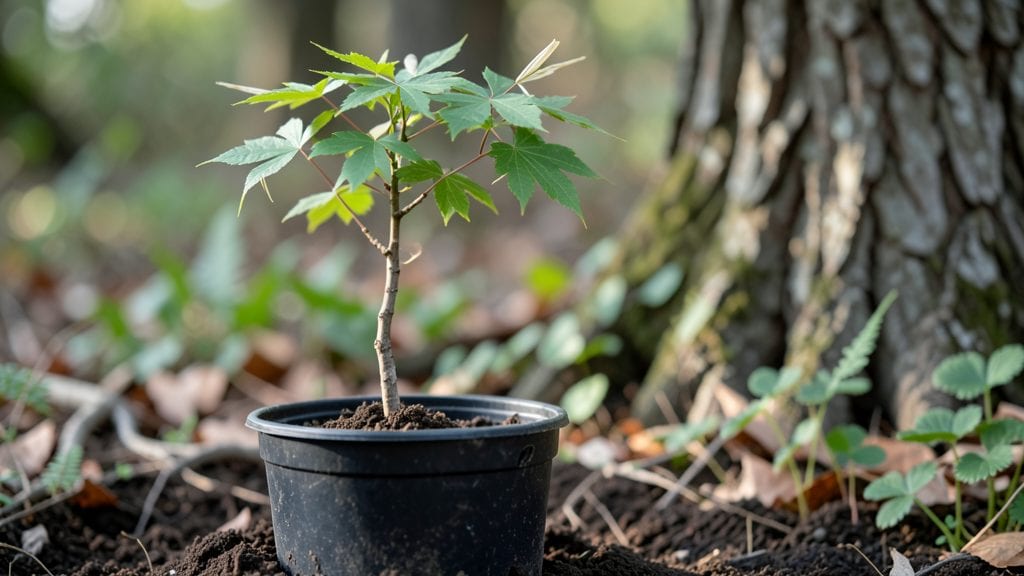
Outdoor planted trees for privacy screens are one of the quickest ways to transform your yard from an open space to a secluded retreat. 🌿 I learned this the hard way—my first attempt with slow-growing evergreens left me waiting years. for shade.
Now, I use a mix of leucothoe, arborvitae, and thuja that fill in within 3-5 years while keeping maintenance simple.
The key starts with soil prep: most fast-growing trees thrive in well-draining soil with a pH between 6.0-7.5. A simple soil test (available at garden centers) tells you if you need to amend with compost or lime.
I also dig a hole twice as wide as the root ball—this gives roots room to spread without circling, which causes long-term problems.
By year three, you’ll have a lush, 6-foot-tall screen that blocks noise and neighbors’ views. The best part? These trees handle pruning well, so you can shape them into clean lines or let them grow naturally. Just avoid overwatering—the root rot that kills young trees happens faster than you’d think.
Works in zones 4-9, though southern climates need drought-tolerant varieties. The same principles apply whether you’re lining a fence, framing a patio, or creating a backyard buffer. Let’s get those trees planted right the first time.
📚 In This Guide
- What you need
- Instructions
- Tips and common mistakes
- Wrapping up and next steps
What you need
- ● Fast-growing tree saplings: 3–5 (species like Leyland Cypress, Thuja Green Giant, or Bamboo—check local climate suitability).
- ● Shovel or tree spade: 1 (wide enough for root balls, 12–18" diameter).
- ● Garden gloves: 1 pair (heavy-duty for digging).
- ● Mulch (pine bark or wood chips): 2–3 bags (3–4 cubic feet each).
- ● Compost or fertilizer: 1 bag (balanced 10-10-10 or organic options like fish emulsion).
- ● Watering can or hose with nozzle: 1 (soaker hose ideal for deep watering).
- ● Measuring tape: 1 (for spacing—aim for 6–10 feet apart for mature height).
- ○ Stakes & twine (optional): 4–6 stakes + twine (for young trees in windy areas).
- ● Location scouted: Full sun (6+ hours/day) or partial shade (depending on tree type). Soil tested (pH 6.0–7.5 ideal; adjust with lime/sulfur if needed).
- ● Permits checked: Verify local HOA/zoning laws for tree height/species (some areas restrict invasives like bamboo!).
- ● Weather window: Plant in spring or early fall (avoid extreme heat/cold).
Step-by-Step instructions for planting fast-growing privacy trees
Here's how to establish a lush, year-round privacy screen in record time using proven fast-growing species.
🌱 Step 1: Select and Prepare Planting Sites
Choose four fast-growing evergreen varieties like Leyland cypress, Thuja green giant, or Italian cypress—all capable of reaching 10-15 feet in 5 years. Mark planting locations 6-10 feet apart (depending on mature width) using wooden stakes and string for a straight line. The reason for spacing? Crowding invites disease and stunts growth.
Dig holes twice as wide as the root ball but only as deep as the container. Loosen the soil at the bottom with a garden fork to encourage root spread. Here's the thing—amending native soil with compost (2-3 inches mixed into the bottom of each hole) gives roots a nutrient boost during establishment. Avoid heavy clay soil; if yours is dense, add 10% perlite to improve drainage.
🪴 Step 2: Plant Trees at Correct Depth and Stake for Support
Remove each tree from its container and gently tease the roots outward if they're circling. Position the tree so the top of the root ball sits 1-2 inches below finished grade—this prevents stem rot from water pooling at the base. Backfill with native soil (no amendments here) while someone else holds the tree upright to ensure it doesn't sink as you tamp.
Stake only if necessary—young trees in windy areas need one 2-foot stake per tree, angled away from the trunk. Use soft tree ties (never wire) and leave 1-2 inches of play at the top to allow trunk movement. Water deeply immediately after planting to settle the soil and eliminate air pockets around the roots. You'll know it's right when the soil surface looks slightly damp but not glistening.
☀️ Step 3: Water Deeply and Mulch for Retention
Give each tree 1 gallon of water per inch of trunk diameter (so a 3-inch trunk gets 3 gallons) using a soaker hose to deliver moisture directly to the root zone. Water twice weekly for the first month, then taper to once weekly once new growth appears. The goal is to encourage deep rooting—not surface moisture that evaporates quickly.
Apply 3 inches of mulch (wood chips or shredded bark) in a 3-foot diameter circle around each tree, keeping it 6 inches away from the trunk. This conserves moisture and regulates soil temperature. Check mulch depth annually and replenish as needed—too much suffocates roots, while too little lets weeds compete for water.
⏰ Step 4: Prune and Fertilize for Rapid Growth
Wait 4-6 weeks before pruning to let the tree establish. Then, remove only dead or crossing branches—never "top" newly planted trees. Pruning too early stresses the plant, and cutting back more than 20% of the foliage can stunt growth. Use clean, sharp shears and make cuts just above a leaf node to encourage healing.
Apply a balanced 10-10-10 fertilizer (2 tablespoons per tree) in early spring and again in midsummer. Water thoroughly after fertilizing to prevent root burn. Fast-growing trees need extra nitrogen—side-dress with 1 cup of composted manure in late spring to fuel that rapid vertical growth. You'll see new shoots within 2-3 weeks if the soil stays consistently moist.
🌿 Step 5: Monitor and Adjust for Year-Round Privacy
Inspect trees monthly for pests like spider mites or bagworms—treat early with neem oil to avoid infestations. Evergreens need year-round moisture, so adjust watering during droughts (check soil 3 inches deep—if dry, water deeply). In winter, add 2-3 inches of mulch to insulate roots from freeze-thaw cycles.
By year three, your screen will reach 8-10 feet tall, providing full privacy. Here's the payoff: These varieties grow 2-3 feet annually, so you'll see dramatic height gains each spring. Just avoid over-pruning—thin, airy canopies grow faster than dense, sheared ones.
Tips & tricks for perfect fast-growing privacy trees
These game-changing strategies will help you establish that lush privacy screen faster than you'd expect—while avoiding the most common pitfalls that slow down growth.
Root Zone Strategy: In Step 1, when you're loosening the soil at the bottom of each hole, take it a step further by creating a "root zone" by mixing compost and 10% perlite into the bottom 6 inches of the hole. This creates an ideal environment for roots to spread quickly downward, which is crucial for those 2-3 feet of annual growth we're aiming for. Think of it as giving your trees a head start in the race to maturity.
Planting Depth Secret: That 1-2 inches below grade guideline in Step 2 is non-negotiable for preventing stem rot, but here's what nobody tells you—if your soil is particularly dense, you can actually go up to 3 inches below grade for extra stability in windy areas. Just be sure to mound the surrounding soil gently to create a natural slope away from the trunk to prevent water pooling.
Watering Hack: The 1 gallon per inch of trunk diameter rule in Step 3 is perfect, but here's how to make it even more effective: Water in the early morning so the foliage has all day to dry, which prevents fungal diseases. And if you're using a soaker hose, leave it running for 30-45 minutes to ensure water penetrates deep enough to encourage those strong root systems we want for rapid growth.
Fertilizer Timing: While the instructions call for 10-10-10 fertilizer in early spring and midsummer, I've found that adding a slow-release nitrogen fertilizer (like 20-0-0) at planting time gives an immediate growth boost. Just be sure to water thoroughly after applying to prevent root burn—this is especially helpful if you're in a cooler climate where natural decomposition happens more slowly.
Pro Tips for Outdoor Planted Trees
- These game-changing strategies will help you establish that lush privacy screen faster than you'd expect—while avoiding the most common pitfalls that slow down growth.
- Root Zone Strategy: In Step 1, when you're loosening the soil at the bottom of each hole, take it a step further by creating a "root zone" by mixing compost and 10% perlite into the bottom 6 inches of the hole.
- Just be sure to mound the surrounding soil gently to create a natural slope away from the trunk to prevent water pooling.
Frequently asked questions
Got questions about planting trees for privacy? We’ve got answers! Here are some of the most common concerns—plus expert tips to help you grow a lush, year-round screen with ease.
What’s the best time of year to plant outdoor trees for privacy?
Spring and early fall are ideal! Planting in spring (after the last frost) gives roots time to establish before winter, while fall (6-8 weeks before frost) allows growth before cold sets in. Avoid extreme heat or freezing temps—roots need consistent moisture. Pro tip: Water deeply after planting and mulch to retain moisture.
How close can I plant trees to my fence or property line?
Check local regulations first—some areas require a minimum 3–5 feet from property lines for small trees (under 30 ft tall) and 10+ feet for larger varieties. Always plant outside your property line to avoid disputes. Note: Fast-growing trees like Leyland cypress can be planted closer (3–4 ft) but may need pruning as they mature.
Are there any trees I should avoid for privacy screens?
Skip invasive species like Bradford pears or Russian olive—they can spread aggressively and harm ecosystems. Also avoid trees with messy fruit (e.g., ginkgo) or shallow roots (e.g., willow) that may damage foundations. Opt for native, non-invasive varieties like Arborvitae or Thuja for low-maintenance beauty.
How do I protect newly planted trees from pests or wildlife?
Use tree guards (metal or plastic spirals) to deter rabbits and deer from chewing bark. For insects, apply neem oil or insecticidal soap early in the season. Prevention tip: Keep mulch 3–4 inches deep (not touching the trunk) to discourage rodents and retain moisture without inviting pests.
How long does it take for planted trees to provide full privacy?
Fast-growing varieties like Leyland cypress or Bamboo (clumping types!) can reach 10–15 ft tall in 3–5 years, offering near-immediate privacy. Slower growers like Oak or Maple take 10+ years for full coverage. Boost growth: Fertilize annually, water deeply 1–2x/week (first year), and prune for shape.
Wrapping up and next steps
Transforming your outdoor space with fast-growing trees for year-round privacy is a rewarding project that blends beauty with practicality! 🌳 Whether you’re shielding your yard from noise, neighbors, or wind, the right varieties—like Leyland cypress, bamboo, or arborvitae—deliver lush, dense foliage in no time.
Remember, success hinges on proper planning: pick the right species for your climate, prep the soil, and give those roots the space (and love!) they need.
Ready to take the next step? Start small—research local nurseries for saplings, sketch a simple layout, and mark planting spots. Then, grab your tools and get growing! Your future shaded oasis awaits. 🌱✨