Watering
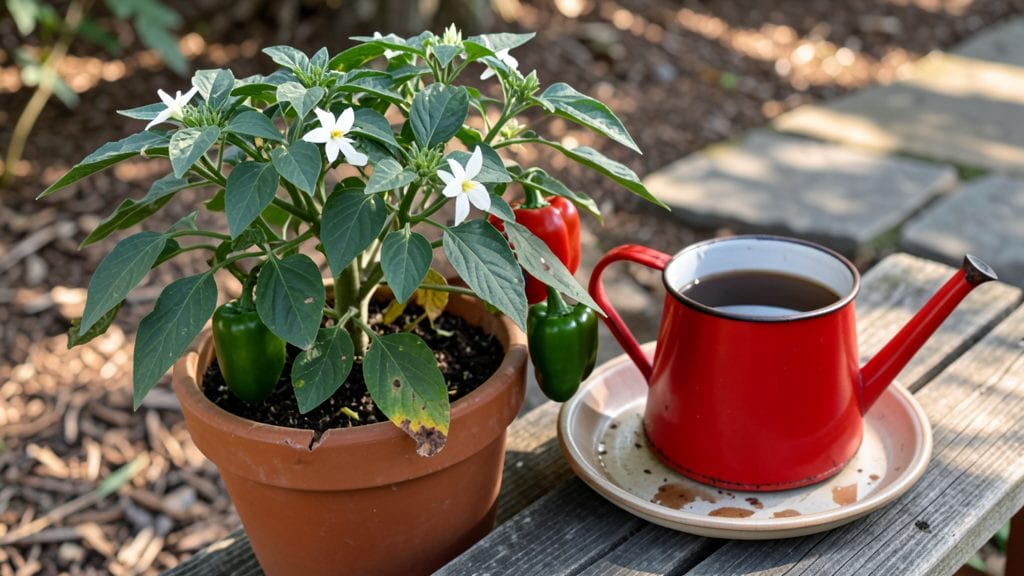
Overwatering pepper plants turns their leaves yellow faster than you can say "root rot." I’ve drowned more peppers than I’d like to admit—until I learned the three simple fixes that saved my entire harvest last summer.
The key isn’t just cutting back water; it’s fixing the soil, the pot, and the plant’s health all at once.
Yellow leaves on peppers usually mean soggy roots struggling for air. Check the soil first—it should feel like a damp sponge, not a mud puddle. If your plants are in containers, drainage holes are non-negotiable, and terracotta pots help wick away excess moisture.
For in-ground peppers, raised beds with sandy loam prevent waterlogging better than heavy clay.
Once you’ve stopped drowning them, prune the worst-affected leaves and give the roots a chance to breathe. Within a week, you’ll see new green growth pushing through, and the plant will start directing energy toward peppers instead of fighting rot.
The fix isn’t quick, but it’s foolproof if you adjust both water and soil.
Prevention is even simpler: water deeply but less often, and always check the top inch of soil before adding more. Peppers hate wet feet—once you see the difference between thirsty and drowned, you’ll never overwater again. Here’s how to turn those sad yellow leaves into vibrant, productive plants.
Root Causes of Pepper Plant Stress
Overwatering pepper plants is a sneaky culprit that can turn your thriving garden into a soggy mess—literally. Understanding why it happens is the first step to fixing it. Below, we break down the science-backed reasons behind this common mistake, so you can avoid it like a pro.
Pepper plants hate "wet feet"—a condition where roots sit in waterlogged soil for too long. This usually happens when:
- Containers lack drainage holes: Pots without holes trap excess water, suffocating roots. Even "self-watering" pots can become death traps if not monitored.
- Compacted or clay-heavy soil: These soils repel water instead of absorbing it, creating a surface puddle while roots below stay parched. Pro tip: Amend clay soil with compost or perlite to improve aeration.
- Improper pot size: Small pots dry out fast, but oversized ones retain moisture too long. Aim for a pot 12–18 inches wide for mature pepper plants, with room for drainage.
💡 Quick fix: Test your soil’s drainage by filling a pot with water—if it drains in 10–15 minutes, you’re golden. If not, add perlite or sand.
Think you’re helping your peppers by watering daily? Think again. Peppers are drought-tolerant once established, and overwatering disrupts their natural rhythm. Common triggers include:
- Ignoring soil moisture: Sticking your finger 1–2 inches deep into the soil is the gold standard. Water only if it’s dry.
- Watering on a schedule: Rain, humidity, and temperature change moisture needs. Morning watering (6–8 AM) is ideal—it reduces evaporation and fungal risks.
- Using the wrong water amount: A deep soak (until water runs out the drainage hole) is better than light, frequent sprinkles. Shallow watering encourages shallow roots, which rot faster.
🌡️ Science note: Peppers thrive in 60–80°F soil temps. Cold water (<50°F) can shock roots, reducing their ability to absorb nutrients—always use room-temperature water.
Your pepper plants aren’t just reacting to your watering habits—they’re also responding to their surroundings. These factors often lead to overwatering:
- High humidity or poor airflow: Humid climates (like greenhouses or tropical regions) slow evaporation, keeping soil wet longer. Solution: Space plants 18–24 inches apart and use fans to improve circulation.
- Shade without sunlight balance: Peppers need 6–8 hours of direct sun daily. Too much shade reduces transpiration (water loss through leaves), making plants retain excess moisture.
- Cold or rainy seasons: Cooler temps reduce water uptake. If rain is forecast, skip watering 24–48 hours beforehand to avoid drowning roots.
✨ Pro grower tip: Mulch with straw or wood chips to regulate soil temperature and reduce evaporation—just keep it 2–3 inches away from the stem to prevent rot.
Sometimes, overwatering is a symptom, not the cause. Stressed peppers are more vulnerable to waterlogging. Watch for these red flags:
- Fungal infections (e.g., root rot, powdery mildew): Fungi thrive in soggy conditions. Yellow leaves with black or mushy stems? That’s root rot calling.
- Nutrient deficiencies: Overwatered soil leaches nutrients like nitrogen and potassium, weakening plants. Solution: Test soil pH (ideal: 6.0–6.8) and amend with balanced fertilizer.
- Transplant shock: Freshly planted peppers take 1–2 weeks to adjust. Overwatering during this time can drown tender roots before they establish.
🔥 Action step: If your peppers show signs of stress, pause watering for 3–5 days and let the soil dry out completely before resuming.
Fixing Overwatered Pepper Plants
Now that you know the signs and causes of overwatering, let’s roll up your sleeves and get those peppers back on track! 🌱 The good news? Most damage from overwatering is reversible with the right care.
Below are practical, step-by-step fixes tailored to the root causes—plus prevention tips to keep your plants thriving.
If your pepper plants are already showing signs of overwatering (yellow leaves, mushy stems, or wilting), halt all watering right away. This gives the roots a chance to recover and prevents further stress.
- Check the soil: Stick your finger 1–2 inches deep into the soil.
If it’s soggy or smells foul, your plants are still drowning. - Wait for dryness: Only resume watering when the top 1–2 inches of soil feel dry to the touch (usually 2–3 days for most peppers).
> 💡 Pro Tip: Use a moisture meter for accuracy—no more guesswork!
Poor drainage is often the real villain behind overwatering. Fix it with these easy upgrades:
🔧 For Potted Peppers
- Repot if needed: If your pots lack drainage holes, transfer your plants to containers with holes at the bottom.
- Add perlite or sand: Mix 20–30% perlite, vermiculite, or coarse sand into your potting mix to boost aeration.
- Raise pots off the ground: Use feet or saucers to prevent water from pooling underneath.
🏡 For Garden Peppers
- Amend the soil: Dig in compost, sand, or coconut coir to improve drainage.
- Raised beds are your friend: If your garden soil is heavy clay, consider a raised bed with well-draining soil.
- Mulch properly: Use straw or wood chips (not plastic) to retain moisture without suffocating roots.
> ✨ Prevention Hack: Never let peppers sit in standing water—even for a few hours. Adjust your watering schedule to avoid soggy soil.
Peppers hate wet feet but also need consistent moisture. Here’s how to water like a pepper whisperer:
| Sign | Fix |
|---|---|
| Yellow lower leaves | Reduce watering; let soil dry slightly between sessions. |
| Mushy stems | Trim damaged stems; repot in fresh, dry soil. |
| Wilting (even when soil is wet) | Roots are rotting—emergency action needed (see next step). |
- Water deeply but less often: Aim for 1–1.5 inches of water per week (including rain), delivered 2–3 times per week (adjust for heat/humidity).
- Water at the base: Avoid wetting leaves to prevent fungal diseases like powdery mildew.
- Morning watering wins: Water in the early morning so foliage dries quickly.
> 🎯 Golden Rule: "When in doubt, wait." Peppers can handle short dry spells better than soggy soil.
If your pepper plants are collapsing, blackened, or smelly, they may have root rot. Act fast:
- Trim the damage: Use sterilized scissors to cut off black, mushy stems and yellow leaves.
- Repot in fresh soil: Remove the plant, rinse roots gently, and replant in dry, well-draining mix.
- Hold off on watering: Let the roots recover for 3–5 days before watering lightly.
- Fungicide (if needed): Spray with a copper-based fungicide to prevent further rot.
> 🔥 Fire Drill Tip: If roots are completely mushy, your plant may not survive—but don’t give up! Sometimes, a healthy stem cutting can be propagated.
Once your peppers bounce back, keep them happy with these no-fail strategies:
- Upgrade your soil: Test your soil’s drainage—aim for 60% organic matter (compost + perlite).
- Monitor weather: Adjust watering during heavy rains or humidity spikes.
- Use self-watering systems wisely: If using drip irrigation, set timers for 10–15 minutes max and check soil moisture.
- Rotate crops: Avoid planting peppers in the same spot yearly to prevent soil-borne diseases.
Final Thought: Overwatering is a common mistake, but with these fixes, your pepper plants will be stronger and more resilient than ever. 🌶️💪 Now go forth and water with confidence—your future harvest depends on it!
Frequently asked questions about pepper plant watering
Why do my pepper plants get yellow leaves when I water them daily?
Daily watering often creates soggy soil that suffocates roots. Peppers prefer their soil to dry slightly between waterings—aim for 1–1.5 inches of water per week. Yellow leaves are a classic sign of overwatering, especially if the soil smells foul or feels muddy when touched. Let the top 1–2 inches dry out before watering again.
Can I save a pepper plant with mushy stems from overwatering?
Yes, but act fast! Trim away blackened or mushy stems with sterilized scissors, then repot in fresh, well-draining soil. Hold off on watering for 3–5 days to let roots recover. If roots are completely rotted, try propagating a healthy stem cutting instead. Copper-based fungicide can help prevent further rot.
How do I know if my pepper plants need more or less water?
Stick your finger 1–2 inches deep into the soil—if it's dry, water; if damp, wait. Morning watering (6–8 AM) is ideal as it reduces evaporation. Peppers wilt when thirsty but also when overwatered—check the soil first! For containers, ensure drainage holes exist and excess water drains within 10–15 minutes.
Will overwatering kill my pepper plants permanently?
Not always! Mild overwatering causes yellow leaves but is often reversible. Severe cases with root rot may kill the plant if ignored. The key is catching it early—trim damaged areas, improve drainage, and adjust your watering routine. With proper care, peppers can recover surprisingly well, especially if you address the root cause (literally!).
Can I use mulch to prevent overwatering?
Mulch helps regulate soil moisture, but use it wisely! Organic mulch like straw keeps soil cool and retains moisture, while inorganic mulch (like plastic) can trap heat and worsen waterlogging. Keep mulch 2–3 inches away from stems to prevent rot. For peppers, focus on improving drainage first—mulch is a secondary tool.