Watering
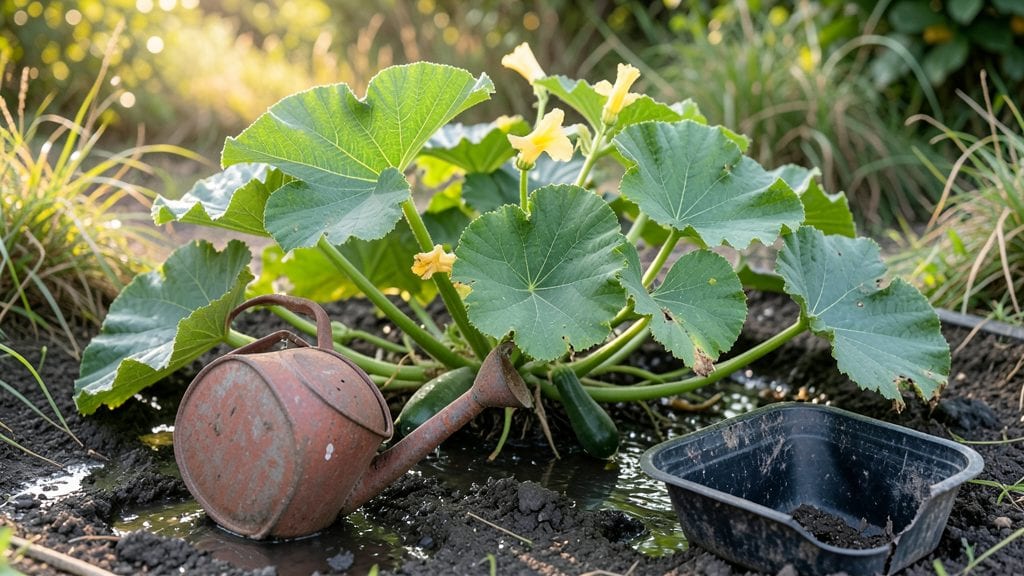
Overwatering squash plants turns your thriving vines into a sad, wilted mess faster than you can say "summer squash." I’ve seen it happen—yellowing leaves, mushy stems, and that dreaded fungal smell that makes you want to rip the plants out.
But here’s the good news: with the right moves, you can revive them in just a few days.
The problem starts when soil stays soggy for too long, cutting off oxygen to roots and inviting rot. Squash plants actually hate wet feet—they prefer soil that’s moist but well-drained, like a damp sponge, not a swamp.
The fix is simple: stop watering immediately, loosen compacted soil around the base, and let excess moisture evaporate before you water again.
Within 24-48 hours, you’ll see new signs of life—firm stems, perky leaves, and that familiar squashy resilience. The key is adjusting your routine: water deeply but only when the top inch of soil feels dry, and always in the morning so foliage dries before nightfall.
This keeps roots happy and fungal spores at bay.
For long-term health, mix in 2-3 inches of compost to improve drainage and mulch with straw to regulate moisture. Now your plants will bounce back stronger than ever—no more guesswork, just steady, happy growth. Let’s get those vines thriving again!
Root Causes Of Overwatered Squash
When your squash plants start wilting despite your best efforts, overwatering is often the sneaky culprit. Unlike drought stress, which is obvious, excess moisture disrupts the plant’s delicate balance in ways that aren’t always visible at first.
Let’s break down the key reasons this happens—and why your squash vines might be drowning instead of thriving.
Squash plants thrive in well-draining soil, but heavy clay, compacted loam, or amended soil without organic matter can trap excess water. When roots sit in soggy conditions, they suffocate because:
- Oxygen depletion: Roots need aerated soil to respire. Waterlogged zones force roots to "breathe" through tiny air pockets, but prolonged saturation replaces oxygen with carbon dioxide, stunting growth. Think of it like drowning—roots can’t absorb nutrients or water efficiently when starved of air.
- Fungal invasion: Excess moisture creates a breeding ground for Pythium and Phytophthora, fungi that rot roots. These pathogens thrive in temperatures above 70°F (21°C), turning healthy roots into mushy, brown slime.
- Nutrient lockout: Waterlogged soil binds essential nutrients (like nitrogen and phosphorus) to soil particles, making them unavailable. Even if you fertilize, squash plants can’t access what’s trapped in the mud.
Pro tip: Test your soil’s drainage by digging a 6-inch hole, filling it with water, and timing how long it takes to drain. If it’s still wet after 6 hours, amend with compost, perlite, or coarse sand to improve airflow. 💡
Many gardeners assume squash need daily watering, but these plants are drought-tolerant once established. Overwatering stems from:
- Inconsistent moisture: Squash roots grow deep (up to 2 feet) to seek water. Frequent shallow watering encourages roots to stay near the surface, where they’re more prone to rot when you finally give them a deep drink.
- Weather mismatches: Watering on rainy days or after heavy dew doubles moisture levels. A general rule: 1–1.5 inches of water per week (including rain) is plenty for mature squash.
- Container chaos: Potted squash dry out faster, but overzealous watering in containers with poor drainage (like terracotta without holes) leads to root suffocation. Check soil moisture with your finger—if the top 2 inches are dry, it’s time to water.
Action step: Switch to a soaker hose or drip irrigation to deliver water slowly at the base, reducing runoff and fungal risks. ⏰ Morning watering is best—it allows foliage to dry before nightfall, deterring diseases.
Temperature swings disrupt a plant’s ability to regulate moisture. Here’s how:
- Heat stress: In temperatures above 90°F (32°C), squash plants transpire (lose water through leaves) at a rapid pace. If you’re watering based on a routine rather than need, the soil stays saturated while the plant can’t absorb enough through its roots.
- Cold soil shock: Chilly nights slow root activity. If you water heavily before temperatures drop, the roots can’t absorb the excess, leading to edema—a condition where cells swell and burst from overhydration.
- Mulch missteps: Thick mulch (like plastic or dense straw) can trap moisture against the soil, creating a waterlogged layer. Use 2–3 inches of straw or shredded leaves instead, and keep it away from the stem.
Quick fix: If your area hits extreme temps, water deeply but less frequently and use shade cloth during heatwaves to reduce evaporation. 🌡️ Monitor soil temperature—ideal root zones stay between 60–75°F (15–24°C).
Squash vines spread widely, but when plants are too close together:
- Root tangling: Competing roots create a dense mat that blocks water and air movement. This forces some roots to drown while others struggle to access moisture.
- Humidity traps: Crowded foliage slows airflow, keeping leaves damp longer. This creates the perfect environment for Powdery Mildew, which weakens plants and makes them more susceptible to overwatering damage.
- Nutrient theft: Overcrowded squash divert energy to competing for space instead of growing strong roots. Weak roots can’t handle excess water, leading to collapse.
Solution: Space squash plants 3–5 feet apart (depending on variety) and thin seedlings early. If you’re growing in containers, limit to 1–2 plants per 15-gallon pot to prevent root competition. ✨
Fixing Overwatered Squash Vines
Now that you recognize the signs of overwatering in your squash plants, it’s time to take action. The good news? With the right steps, you can revive your vines and prevent future drowning.
Below, we’ll break down practical fixes based on the most common causes—plus prevention tips to keep your squash thriving.
Fix:
- Stop Watering Immediately 🚰
- Overwatering is often a habit, not a single mistake. Pause all watering for 24–48 hours to let the soil dry out. This gives roots a chance to recover from waterlogged stress.
- Improve Soil Drainage 🏗️ - Amend heavy clay soil by mixing in compost, perlite, or coarse sand (1 part amendment to 3 parts soil). This creates air pockets for roots to breathe. - Raise beds or containers if your garden has poor drainage.
Even a slight elevation (2–3 inches) helps water flow away faster. - Add organic matter like aged manure or coconut coir to loosen compacted soil over time.
- Check for Root Rot 🔍
- Gently pull back the soil near the stem to inspect roots. Healthy roots are firm and white; rotted roots are mushy, brown, or black.
- If rot is severe, prune affected roots with sterilized scissors and repot the plant in fresh, well-draining soil.
Prevention Tips:
- Test your soil before planting—aim for a mix that drains within 30–60 minutes after watering.
- Use raised beds or containers if your garden soil is naturally dense.
- Mulch lightly (1–2 inches of straw or wood chips) to retain just enough moisture without smothering roots.
Fix:
- Water Deeply but Less Often 💧
- Squash plants prefer 1–1.5 inches of water per week, delivered in deep soakings (1–2 times per week) rather than daily light sprinkles.
- Use a moisture meter or the "finger test"—stick your finger 1–2 inches into the soil. Water only if it’s dry at that depth.
- Water at the Right Time ⏰
- Morning watering (before 10 AM) reduces evaporation and fungal risks.
- Avoid evening watering, which can leave foliage damp overnight—inviting diseases like powdery mildew.
- Upgrade Your Irrigation 🔧
- Drip irrigation or soaker hoses deliver water directly to the soil, minimizing waste and leaf wetness.
- If using a hose, aim for the base of the plant, not the leaves.
Prevention Tips:
- Group plants with similar water needs (like squash, cucumbers, and melons) to streamline care.
- Adjust for weather—reduce watering during rain or high humidity.
- Use a rain gauge to track natural precipitation and avoid overcompensating.
Fix:
- Move Plants to a Warmer Spot ☀️
- Squash thrives in 70–90°F (21–32°C). If your garden is too cool (especially after rain), relocate pots to a sunnier, sheltered area for a few days.
- Use row covers or black plastic mulch to warm the soil faster.
- Reduce Water Stress 💦
- Overwatered plants in cool temps struggle to absorb nutrients. Cut back watering by 30% until the soil warms up.
- Avoid fertilizing until the plant recovers—wet, cool soil slows nutrient uptake.
Prevention Tips:
- Plant squash after the last frost when soil temps are consistently 60°F (15°C) or warmer.
- Use cold frames or cloches for early starts in cooler climates.
- Monitor forecasts—plan watering around heatwaves to avoid shocking plants.
Fix:
- Boost Air Circulation 🌬️
- Overwatered plants are magnets for pests like aphids and fungal diseases. Space plants 3–4 feet apart and prune crowded vines to improve airflow.
- Apply Fungicidal Sprays (If Needed) 🛡️
- For powdery mildew or downy mildew, spray leaves with a baking soda solution (1 tsp baking soda + 1 quart water + a drop of dish soap) or neem oil.
- For pests, blast off aphids with a strong stream of water or use insecticidal soap.
- Strengthen the Plant 💪
- Once roots recover, fertilize lightly with a balanced 10-10-10 or compost tea to rebuild vigor.
- Avoid nitrogen-heavy fertilizers—they promote leafy growth at the expense of root health.
Prevention Tips:
- Rotate crops yearly to prevent soil-borne diseases.
- Remove yellow or diseased leaves immediately to stop spread.
- Encourage beneficial insects like ladybugs with marigolds or dill planted nearby.
If your squash is collapsed, wilted, or rotting at the base, act fast:
- Trim Damaged Foliage ✂️
- Snip off yellow, mushy, or blackened leaves to redirect energy to healthy growth.
- Repot or Transplant 🏡
- If roots are severely rotted, gently remove the plant and trim all soft, black roots. Repot in fresh, sterile potting mix with perlite.
- For in-ground plants, dig a new hole nearby, loosen roots, and transplant carefully.
- Support the Plant 🌿
- Use stakes or cages to prop up weak vines while they recover.
- Shade cloth (30–50%) can protect stressed plants from scorching sun.
Prevention Tips:
- Monitor soil moisture daily during heatwaves or after heavy rain.
- Keep an emergency kit with perlite, fungicide, and pruning shears handy.
- Grow squash in containers if your garden soil is notoriously soggy.
Before panicking, give your plant 3–5 days to recover after adjusting care. Overwatering damage isn’t always permanent—roots can bounce back if they’re not fully rotted. Patience and consistency are key! 🎯
By addressing drainage, watering habits, and environmental stress, your squash vines will bounce back stronger—and you’ll be ready to harvest plump, healthy fruits in no time. 🍉🎉
Frequently asked questions
How do I know if my squash plants are overwatered instead of underwatered?
Check the soil and leaves: Overwatered squash have yellowing leaves, mushy stems, and soil that smells sour or stays soggy for days. Unlike drought stress (which causes crispy, brown edges), overwatering creates a swampy environment where roots can't breathe. Tap the soil—if it feels like a wet sponge, you're overdoing it.
Can I save squash plants with root rot from overwatering?
Yes, but act fast! Trim away any black/mushy roots, repot in fresh, well-draining soil with perlite, and stop watering for 48 hours. For in-ground plants, improve drainage by adding compost or creating a raised bed. Recovery takes 3-5 days if caught early.
What's the best way to water squash plants to avoid overwatering?
Use the finger test: Stick your finger 1-2 inches deep—water only if dry. Aim for 1-1.5 inches per week (including rain) using drip irrigation or soaker hoses in the morning. Avoid wetting leaves to prevent fungal diseases. For containers, ensure pots have drainage holes.
Will mulch help prevent overwatering in squash?
Only if used correctly! Apply 1-2 inches of straw or wood chips around plants, but keep it away from the stem to prevent rot. Mulch helps regulate soil moisture by reducing evaporation, but too much can trap excess water. For clay soil, combine mulch with compost to improve drainage.