
Pruning
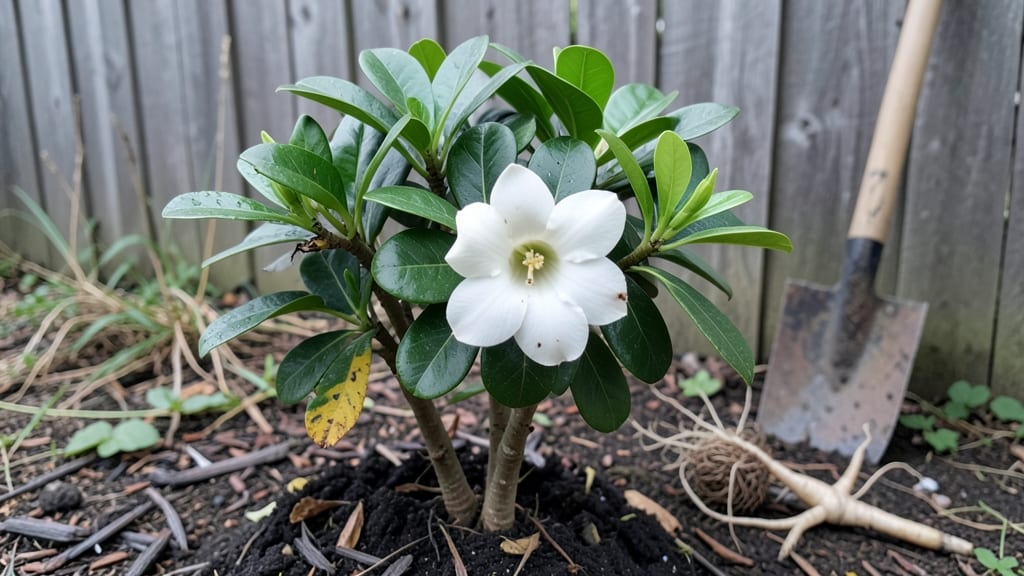
Planting a gardenia tree means timing it for spring or early fall, using acidic soil (pH 5.0–6.5), and placing it in partial shade with morning sun exposure. Space saplings 6–10 feet apart, add mulch to lock in moisture, and water deeply but less often to prevent rot. Light pruning after blooming keeps the tree full and healthy.
Gardenias are fussy about their environment, and getting these basics right makes all the difference. 🌿 Their love for acidic soil comes from needing nutrients like iron and manganese that thrive in lower pH levels—think of it as their secret weapon for vibrant blooms.
Morning sun gives them just enough energy without scorching their delicate leaves, while mulch acts like a moisture blanket, keeping roots consistently happy without drowning them.
What often trips people up is the watering balance—too much can suffocate roots, but too little stresses the plant. I’ve found that letting the top inch of soil dry out between waterings works best, especially once the tree’s established.
And don’t skip that light pruning after flowering—it’s not about shaping but encouraging new growth where old blooms were.
💡 In This Article
- Optimal Conditions for Gardenia Tree Growth
- Step-by-Step Gardenia Planting Guide
Optimal conditions for gardenia tree growth
Gardenias crave acidic soil because their roots rely on iron and manganese—nutrients that become more available at pH levels between 5.0–6.5. At these levels, beneficial soil microbes (like mycorrhizal fungi) thrive, creating a symbiotic relationship that helps roots absorb water and nutrients more efficiently.
Think of it like a pH-powered fertilizer factory: the lower acidity unlocks these nutrients, which directly fuel the plant's metabolic processes, including bloom production. Without this acidity, gardenias struggle to photosynthesize efficiently, leading to pale leaves and sparse flowers.
The sunlight puzzle involves balancing chlorophyll production with bloom triggers. Gardenias need 4–6 hours of morning sun to build energy through photosynthesis, but their delicate leaves can scorch under intense afternoon rays (especially in zones 8–11).
This morning-light preference mirrors their natural tropical habitat, where they grow under forest canopies with dappled sunlight. Too little light results in leggy growth and few blooms, while too much causes leaf burn—noticeable as brown, crispy edges. In USDA zones 7–8, afternoon shade becomes critical to prevent heat stress.
Seasonal timing hinges on temperature sensitivity: gardenias despise frost and prefer soil temps above 60°F for root establishment.
Spring planting (after last frost) gives roots 6–8 weeks of warm weather to settle before summer heat arrives, while early fall planting (6 weeks before first frost) allows roots to develop before winter dormancy. The key is avoiding extremes—planting in 75–85°F soil temperatures creates optimal conditions for root growth.
In zone 11, where winters are mild, gardenias can be planted year-round, but spring still offers the best balance of moisture and warmth.
Microbial activity in acidic soil also explains why mulch is non-negotiable. A 2–3 inch layer of organic mulch (like pine bark or oak leaves) maintains soil acidity while regulating temperature. The mulch breaks down slowly, feeding soil microbes that, in turn, release nutrients gardenias need.
Without mulch, soil pH can rise quickly, especially in hot climates, turning your gardenia's ideal environment into a nutrient desert. This is why I always recommend testing soil pH annually—even a slight shift above 6.5 can trigger nutrient deficiencies, visible as yellowing leaves.
Here’s what most gardeners miss: sunlight intensity affects bloom timing. Gardenias grown in partial shade (like under a high canopy tree) often flower later but produce more blooms, while those in full sun may bloom earlier but with fewer flowers.
The trade-off is a classic example of plant physiology—more light = faster growth but less energy allocated to flowers. In zone 9, I’ve seen gardenias in full sun produce blooms by May, while shaded specimens wait until July but last through September.
The secret? Morning sun + afternoon shade gives you the best of both worlds.
Climate zones matter because they dictate dormancy cycles. In zones 7–8, gardenias enter a light dormancy in winter, while in zones 9–11, they grow year-round but slow in dry seasons.
This is why watering schedules must adapt: zones 7–8 need reduced watering in winter, while zones 9–11 may require consistent moisture year-round. The rule of thumb? Water when the top 1–2 inches of soil feel dry—this mimics their natural rainfall patterns and prevents root suffocation.