Propagation
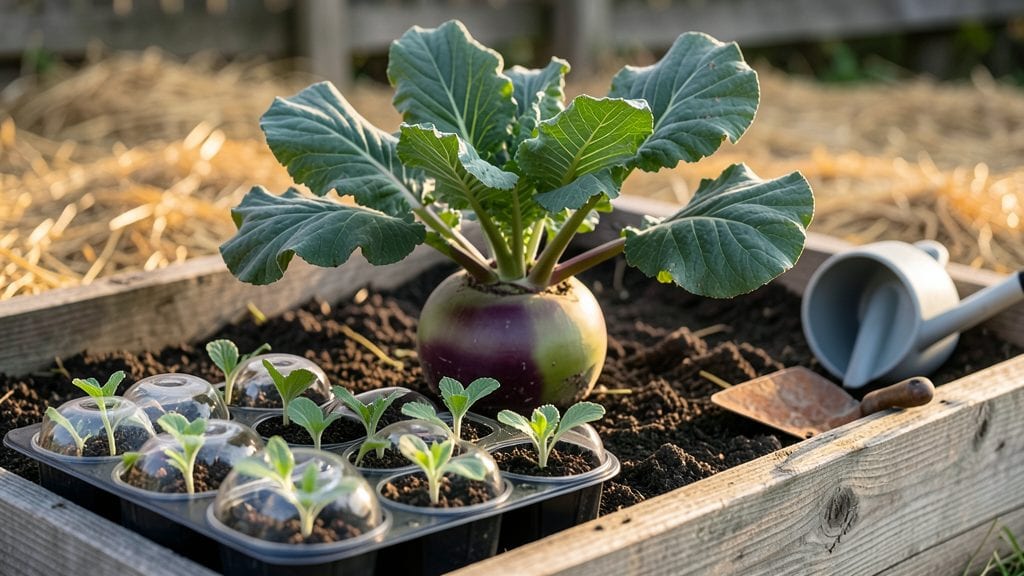
Planting kohlrabi seeds gives you edible bulbs in just 6-8 weeks—faster than most vegetables. I’ve grown kohlrabi for years, and the secret to quick germination lies in the soil temperature and moisture balance. Most seeds sprout within 5-10 days when conditions are right, making it perfect for impatient gardeners.
Start with loose, well-draining soil rich in organic matter—kohlrabi hates soggy roots. Plant seeds ½ inch deep, spacing them 2-3 inches apart in rows 18 inches apart. A sunny spot with 6+ hours of light daily keeps growth steady, and consistent moisture (not soggy) prevents cracking bulbs later.
The key is patience in the first week—keep soil evenly damp until sprouts appear.
Once seedlings emerge, thin to 6 inches apart to avoid competition. Kohlrabi bulbs swell quickly, so harvest when they’re 2-3 inches wide—wait too long, and they turn woody.
The first harvests arrive in 7-8 weeks, and the crisp, slightly sweet flavor tastes best when harvested young. This speedy crop rewards quick planning and consistent care.
For busy gardeners, kohlrabi thrives in containers too—just use a pot 12+ inches deep. Succession plant every 2 weeks for a continuous harvest. The only real mistake? Letting bulbs grow too large. With the right timing, you’ll have fresh, homegrown kohlrabi faster than you can say “spring harvest.”
📚 In This Guide
- What you need
- Instructions
- Tips and common mistakes
- Wrapping up and next steps
What you need
- ● Kohlrabi seeds: Choose certified organic or heirloom varieties (e.g., ‘Purple Vienna,’ ‘White Vienna,’ or ‘Early White’). Buy 1–2 packets (50–100 seeds total) for a small garden.
- ● Seed-starting mix or potting soil: 1–2 cubic feet (for indoor starts) or high-quality garden soil amended with compost (for direct sowing).
- ○ Containers or seed trays: 4–6 inch deep (for seedlings) or biodegradable peat pots (optional, for easy transplanting).
- ● Watering can or spray bottle: With a fine rose nozzle to avoid disturbing seeds.
- ○ Garden twine & stakes: For trellising if growing ‘Long White’ varieties (optional).
- ● Hand trowel: For digging small furrows or transplanting seedlings.
- ● Gloves: Lightweight gardening gloves to protect your hands.
- ● Plant labels & marker: To track varieties (kohlrabi looks like a bulb but is a stem—labeling prevents mix-ups!).
- ○ Row cover or frost cloth: Optional for early planting in cool climates.
- ● Sunlight: Full sun (6+ hours/day) for optimal growth.
- ● Soil temperature: Wait until soil is at least 45°F (7°C)—kohlrabi germinates best in 50–85°F (10–29°C).
- ● Spacing: Direct-sown seeds: 1–2 inches apart, 18–24 inches between rows.
- ● Transplants: 6–8 inches apart in rows.
- ● Water access: Consistent moisture (kohlrabi hates drought stress!).
Step-by-Step instructions for planting kohlrabi seeds
Here's the quick method I've used to get kohlrabi sprouting in under a week—no waiting months for stubborn seeds.
Prepare the Soil for Optimal Germination
Kohlrabi thrives in loose, fertile soil with excellent drainage. Work the first 6 inches of soil until it's crumbly and free of clumps. I mix in 2-3 inches of compost from the list to provide nutrients without compacting the bed. Kohlrabi roots are shallow but spread wide, so avoid heavy amendments that could suffocate them.
Test your soil's moisture by squeezing a handful—it should hold together when pressed but not drip water. If it's too dry, water deeply the day before planting. The goal is damp but not soggy; kohlrabi seeds rot quickly in waterlogged soil. A soil thermometer reading of 60-70°F ensures fast germination—this is why I plant in early spring or late summer when temperatures cooperate.
Sow Seeds at the Right Depth and Spacing
Plant seeds ½ inch deep and 2 inches apart in rows spaced 18 inches apart. Kohlrabi seeds are small but sturdy—don't bury them too deeply or they'll struggle to reach the surface. I use my finger to make small furrows, place seeds every 1 inch, then cover lightly with soil. Press gently to ensure good seed-to-soil contact, which speeds germination.
Thinning is critical—once seedlings reach 2 inches tall, reduce to 6 inches apart. I snip unwanted seedlings at soil level with scissors rather than pulling to avoid disturbing roots. This ensures your remaining plants have space to develop those signature bulbous stems without competition.
Keep Soil Consistently Moist Until Germination
Water gently but thoroughly immediately after sowing to settle the soil around seeds. Kohlrabi seeds germinate fastest in consistent moisture—never let the top inch dry out during the 5-7 day waiting period. I use a fine mist setting on my hose to avoid displacing seeds, then check daily by pressing a finger into the soil.
Once sprouts appear, switch to deep watering every 2-3 days, aiming for 1 inch of water per week. Kohlrabi is drought-sensitive; wilting at this stage stunts growth permanently. You'll know moisture is right when the soil feels damp 2 inches down—this encourages strong root development for the bulbous stems.
Thin and Fertilize for Bulb Formation
When seedlings show first true leaves (not the initial cotyledons), thin to 6 inches apart in rows. I do this in stages: first reduce to 4 inches, then wait 10 days, then final spacing. This gradual approach prevents shock while giving weak seedlings time to catch up.
Side-dress with ½ cup of 5-10-10 fertilizer per 10-foot row when plants are 4 inches tall. Kohlrabi needs steady nitrogen for leaf growth and potassium for bulb development. Water immediately after fertilizing to activate nutrients. You'll see leaves darken slightly—this is normal and indicates healthy uptake.
Maintain Through Harvest for Maximum Yield
Kohlrabi matures quickly—50-60 days from sowing. Harvest when bulbs reach 2-3 inches in diameter by twisting gently at the base. Wait too long and the stems become woody and bitter. I check weekly starting at 45 days by gently squeezing the stem—it should feel firm but not hard.
After harvest, remove all foliage and till the soil to 6 inches deep to prevent bolting in future plantings. Kohlrabi's short lifespan means you can replant the same space in 4-6 weeks with another fast crop like radishes or lettuce. The key to success is speed—don't let these seeds sit in the ground waiting for conditions.
Tips & tricks for planting kohlrabi seeds
Fast germination is all about precision—these small details make the difference between waiting weeks or harvesting in under 50 days.
Soil Temperature is Everything: Kohlrabi seeds need that 60-70°F soil temperature range to germinate quickly. I've found that planting in early spring or late summer gives the best results because these are the times when soil naturally reaches this ideal range. If your soil is cooler, consider using a mini greenhouse or black plastic mulch to warm it up before planting—this can shave days off your germination time.
Thinning Strategy Matters: The gradual thinning approach in Step 4 prevents transplant shock while giving weaker seedlings time to catch up. I've learned the hard way that removing all seedlings at once can stress the remaining plants. Start by thinning to 4 inches first, then wait the full 10 days before final spacing to 6 inches. This staged approach gives your plants the best chance to establish strong root systems before competing for nutrients.
Watering Technique Makes the Difference: The key to that 5-7 day germination window is maintaining consistent moisture without waterlogging. I've found that using a fine mist setting on my hose right after sowing prevents displacing seeds while keeping the top inch of soil damp. Once sprouts appear, switch to deep watering every 2-3 days—this encourages those strong bulbous stems by promoting deep root development rather than shallow surface roots.
Harvest Timing is Critical: Kohlrabi bulbs become woody and bitter if left too long in the ground. I've developed a simple test: starting at 45 days, I gently squeeze the stems weekly. When they feel firm but not hard (like a small potato), that's your harvest window. Remember, kohlrabi continues to grow after reaching harvest size, so don't wait for perfect specimens—harvest at 2-3 inches diameter for the best flavor and texture.
Pro Tips for Planting Kohlrabi Seeds
- Fast germination is all about precision—these small details make the difference between waiting weeks or harvesting in under 50 days.
- Soil Temperature is Everything: Kohlrabi seeds need that 60-70°F soil temperature range to germinate quickly.
- Thinning Strategy Matters: The gradual thinning approach in Step 4 prevents transplant shock while giving weaker seedlings time to catch up.
Frequently asked questions
Got questions about growing kohlrabi from seeds? You’re not alone—this fast-growing veggie has a few quirks! Here are answers to the most common queries to help you grow confidently.
When is the best time to plant kohlrabi seeds?
Kohlrabi thrives in cool weather, so plant seeds 2–4 weeks before your last frost date in spring or 6–8 weeks before your first fall frost. Avoid planting in hot summer months—it prefers temps between 50–70°F (10–21°C). For a continuous harvest, stagger plantings every 2–3 weeks.
How long does it take for kohlrabi seeds to germinate?
One of kohlrabi’s biggest perks is its fast germination—expect sprouts in 4–10 days if soil temps are ideal (60–70°F / 15–21°C). Keep soil moist but not soggy and in indirect light until seedlings emerge. Pro tip: A heat mat can speed up germination if your climate is chilly!
Can I grow kohlrabi in containers or small spaces?
Kohlrabi is a compact plant—it only needs 6–12 inches of space per plant and grows well in 5-gallon containers or raised beds. Just ensure the container has drainage holes and use a well-draining potting mix. Varieties like ‘Purple Vienna’ are especially space-efficient.
Why aren’t my kohlrabi seeds sprouting?
If seeds aren’t germinating, check these common issues:
- Cold soil: Kohlrabi needs warmth to sprout—wait until soil temps are at least 50°F (10°C).
- Too deep: Plant seeds only ½ inch deep; deeper planting can suffocate them.
- Old seeds: Store-bought seeds lose viability after 2–3 years.
- Poor soil contact: Gently press seeds into soil to ensure they touch moisture.
What can I plant alongside kohlrabi for better growth?
Kohlrabi is a great companion plant! Pair it with:
- Cabbage, lettuce, or radishes (shares similar growing conditions).
- Carrots or onions (deters pests like cabbage moths).
Wrapping up and next steps
Planting kohlrabi seeds is a rewarding experience—whether you're a seasoned gardener or just starting out! With its fast germination (as little as 5 days!) and versatile harvests, this veggie is perfect for busy schedules.
Now that you’re armed with the right soil, timing, and techniques, it’s time to roll up your sleeves and watch your garden thrive.
Ready to go further? Try experimenting with companion planting (like pairing kohlrabi with radishes or lettuce) or even growing it in containers for small spaces. Happy gardening—your future harvest is waiting! 🌱✨