
Pruning
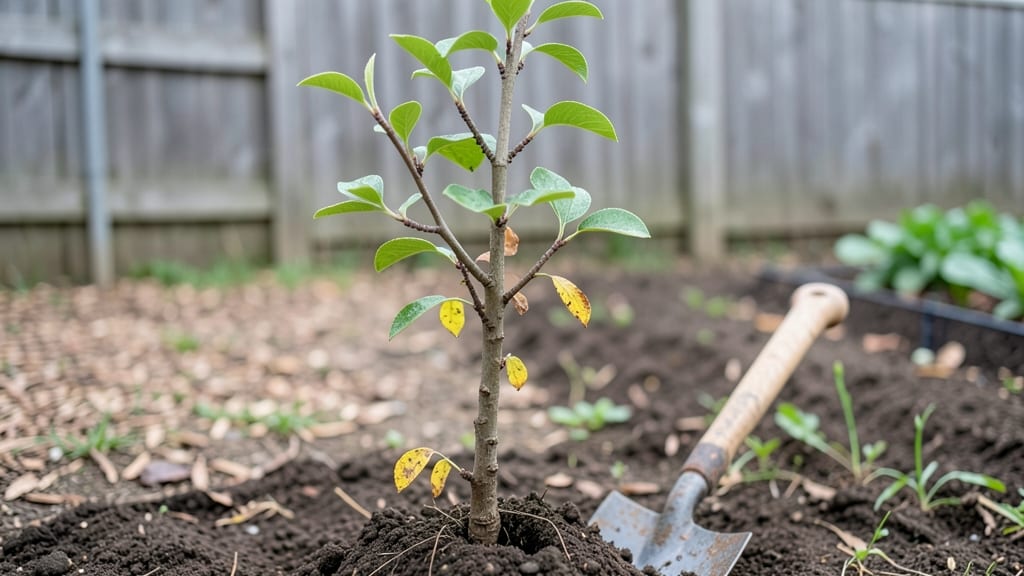
Planting a nectarine tree in the right sunny spot turns a simple hole into a future fruit bonanza. 🌞 I’ve watched my backyard nectarine go from a bare root to a tree heavy with sweet, juicy fruit—all because I picked the perfect location and gave it the right start.
The difference between a thriving tree and a struggling one often comes down to sunlight, soil, and the first few weeks of care.
You’ll need a spot that gets at least 8 hours of full sun daily, well-draining soil (no soggy roots!), and a spot where it can spread its branches without crowding.
Most nectarine trees need 15-20 feet of space to grow comfortably, so plan ahead if you’re planting near fences or other trees. The right rootstock matters too—dwarf varieties save space, while standard trees produce more fruit but take up more room.
Once planted, your tree will reward you with bright green leaves by summer and the first blush of fruit by late spring. The key is consistent watering—deep and infrequent—to encourage strong roots, plus a light pruning to shape it early.
Skip the heavy hand here; nectarines are sensitive to over-pruning, and you want those branches loaded with fruit, not just foliage.
Here’s the best part: with the right spot and care, your nectarine will bear fruit in 2-3 years, and each harvest will taste sweeter than the last. Now, let’s get that tree in the ground right—before the first frost sets in.
📚 In This Guide
- What you need
- Instructions
- Tips and common mistakes
- Wrapping up and next steps
What you need
- ● Nectarine Tree: Choose a disease-resistant variety (e.g., Flamecrest, Fantasia, or Summerbreeze) from a local nursery or online supplier. Opt for a 1- to 2-year-old bare-root or container-grown sapling.
- ● Shovel or Trench Digger: A round-point shovel (18–24 inches) or post-hole digger for digging the planting hole.
- ● Garden Gloves: Heavy-duty, waterproof gloves to protect your hands from dirt and thorns.
- ● Pruning Shears: Bypass pruners (sharp, 6–8 inch) for trimming roots or branches.
- ● Compost or Well-Aged Manure: 5–10 gallons of organic matter (e.g., cow, horse, or chicken manure) to enrich the soil.
- ● Mulch: 2–3 inches of wood chips, straw, or pine bark to retain moisture and suppress weeds.
- ● Watering Can or Hose: A garden hose with a gentle spray nozzle or a 5-gallon watering can for post-planting hydration.
- ○ Tree Stake (Optional but Recommended): A 4–6 foot wooden or metal stake and soft tree tie to support young trees in windy areas.
- ● Sunlight: A full-sun location (6–8+ hours of direct sunlight daily). Nectarines are sun-worshippers!
- ● Soil Test: Check your soil’s pH (ideal: 6.0–7.0). Adjust with lime (to raise pH) or sulfur (to lower pH) if needed.
- ● Spacious Spot: Ensure 15–20 feet of clearance from buildings, fences, or other trees to prevent competition.
- ● Drainage: Avoid low-lying areas where water pools. Nectarines hate "wet feet."
- ● Local Climate Check: Verify your USDA Hardiness Zone (Zones 5–9 for most nectarine varieties).
- ● Fertilizer: A balanced, slow-release fertilizer (e.g., 10-10-10) to kickstart growth.
- ● Root Stimulator: Mycorrhizal fungi or rooting hormone to boost root development.
- ● Drip Irrigation Kit: For automated watering (great for dry climates!).
- ● Tree Guard: A plastic or metal tree wrap to protect the trunk from pests and sunburn.
- ● Soil Conditioners: Perlite or vermiculite to improve drainage in heavy clay soils.
Step-by-step instructions for planting a nectarine tree
Here's the foolproof method I've used to establish healthy, productive nectarine trees in my own yard.
🌱 Step 1: Choose the Perfect Planting Spot
Nectarines demand full sun—at least 6-8 hours daily—so scout your yard first. Avoid low spots where cold air settles, as nectarines are frost-sensitive. The soil should drain well; if it's heavy clay, amend with 3-4 inches of compost mixed into the top 12 inches of soil.
Here's the thing—nectarines need space. Plant at least 15-20 feet away from other fruit trees or structures. Dig a hole now and let it sit for a few days so the edges settle. This prevents soil compaction around delicate roots.
🪴 Step 2: Prepare the Tree and Planting Hole
Remove your nectarine tree from its container and gently loosen the roots with your fingers. If the roots are circling, use a knife to make 2-3 vertical cuts to encourage outward growth. The hole should be twice as wide as the root ball but no deeper—you don't want the graft union buried.
Place the tree in the hole so the top of the root ball sits 1-2 inches above ground level. This prevents water from pooling at the base. Fill the hole halfway with native soil, then water deeply to settle it. You'll see the soil level drop as it compacts—just enough to cover the roots completely.
☀️ Step 3: Backfill and Stake for Support
Add the remaining soil to the hole, tamping gently as you go to remove air pockets. Create a 3-inch high berm around the outer edge of the hole to direct water toward the roots. Install a 2-inch wide tree stake on the north side of the tree, angled slightly away from the trunk to avoid girdling.
Use soft tree ties to secure the tree to the stake without crushing the trunk. Water again until the soil is thoroughly moistened—you should see water run out of the bottom of the hole. This ensures good root-to-soil contact right away.
💧 Step 4: Mulch and Water Regularly
Spread 3-4 inches of mulch over the soil surface, keeping it 6 inches away from the trunk. Use wood chips or straw—never rocks or plastic. This conserves moisture, regulates soil temperature, and prevents weeds. Water deeply 2-3 times per week for the first month, then taper to once weekly once established.
Here's what I do: I check moisture by pushing my finger 2 inches into the soil. If it feels dry, water slowly until it's evenly moist. Avoid overhead watering—it spreads disease. Instead, use a soaker hose or drip irrigation at the base.
⏰ Step 5: Prune and Protect New Growth
After planting, prune any broken branches and remove suckers growing below the graft union. Open the canopy slightly to improve air circulation. In the first year, focus on establishing roots—don't expect fruit. Protect young trees from pests with neem oil spray applied in early spring and late summer.
Real talk: The first winter is critical. Wrap the trunk with tree guard or burlap to prevent rodent damage. In late winter, before buds swell, apply a 2-inch layer of mulch to insulate roots. You'll see new growth by late spring—that's your sign the tree is thriving.
Tips & tricks for planting a nectarine tree
These simple tricks will help you establish a thriving nectarine tree that produces sweet fruit for years to come.
The Sunlight Secret: That 6-8 hours of full sun requirement is non-negotiable—nectarines simply won't fruit well in shade. I've planted in spots that seemed sunny but got afternoon shade, and the trees struggled. Use a sun calculator app to track sunlight patterns in your yard for a full week before choosing your spot. Morning sun is ideal since it dries dew quickly, reducing disease risk.
Root Ball Rescue: When you remove your tree from the container, you'll often find roots circling the root ball. These "root-bound" roots need to be cut—don't just pull them apart. Use a clean knife to make 2-3 vertical cuts about an inch long. This encourages roots to grow outward into the surrounding soil rather than staying compacted. I've seen trees with uncut circling roots struggle to establish for years.
Watering Wisdom: The 2-3 inches of soil moisture check is your best friend. Push your finger into the soil—if it feels dry at that depth, it's time to water. I use a simple test: if the soil sticks slightly to my finger but isn't muddy, it's just right. Overwatering is just as bad as underwatering for young trees. For the first month, I set a reminder on my phone to water every other day until I see consistent moisture at 2 inches deep.
Mulch Magic: That 3-4 inches of mulch isn't just decoration—it's insulation. In summer, it keeps roots cool; in winter, it protects against freezing. I always use wood chips because they break down slowly, adding organic matter to the soil. The key is keeping it 6 inches away from the trunk to prevent rot. Think of it like a cozy blanket for your tree's roots that works year-round.
Pro Tips for Planting Nectarine Tree
- These simple tricks will help you establish a thriving nectarine tree that produces sweet fruit for years to come.
- The Sunlight Secret: That 6-8 hours of full sun requirement is non-negotiable—nectarines simply won't fruit well in shade.
- Root Ball Rescue: When you remove your tree from the container, you'll often find roots circling the root ball.
Frequently asked questions
Got questions about planting your nectarine tree? You’re not alone! Here are some of the most common concerns—plus quick, actionable answers to get you growing with confidence.
What’s the best time of year to plant a nectarine tree?
Plant your nectarine tree in early spring or late fall when the soil is workable but not frozen. This gives roots time to establish before extreme heat or cold sets in. Avoid planting in summer—heat stress can stunt growth. If you’re in a mild climate, late winter (before buds swell) is ideal!
How close can I plant my nectarine tree to my house or fence?
Keep your nectarine tree at least 15–20 feet from structures to allow for mature spread (some varieties reach 20–25 feet wide!). If space is tight, choose a dwarf or semi-dwarf variety (like ‘Fantasia’ or ‘Summerbreeze’) and prune regularly. Always check local ordinances—some areas restrict large trees near property lines.
Why did my nectarine tree leaves turn yellow after planting?
Yellowing leaves often signal overwatering, poor drainage, or transplant shock. Check the soil—it should feel like a damp sponge, not soggy. If roots are waterlogged, improve drainage with compost or sand. Also, avoid fertilizing for 4–6 weeks post-planting; roots need time to recover. Pro tip: Mulch around the base (but not touching the trunk) to retain moisture and regulate temperature!
Can I grow a nectarine tree in a container or just in the ground?
While nectarines thrive in the ground, dwarf varieties can work in large containers (15+ gallons) for small spaces. Use a well-draining potting mix and repot every 2–3 years. However, container-grown trees may produce smaller fruit and need winter protection in cold climates. If you’re committed to containers, choose self-pollinating varieties like ‘Starking Delight’ for easier fruit set.
Do nectarine trees need full sun, or can they tolerate partial shade?
Nectarine trees crave full sun (6–8+ hours daily) for optimal fruit sweetness and production. Partial shade (e.g., afternoon shade in hot climates) can reduce yields and increase disease risk. If your yard has limited sun, consider microclimates (like near a south-facing wall) or opt for shade-tolerant alternatives like peaches (though they’re less sweet).
How often should I prune a young nectarine tree?
Prune your young tree once a year in late winter/early spring (before buds swell) to remove dead wood, crossing branches, and suckers. Focus on opening the canopy for airflow and sunlight. Avoid heavy pruning—nectarines produce fruit on current-season growth, so limit cuts to <25% of the tree’s foliage annually. Pro tip: Sterilize pruners with rubbing alcohol to prevent bacterial spread!
Wrapping up and next steps
Planting a nectarine tree is a rewarding journey that brings sweet, juicy fruit straight to your backyard—and you’ve got all the tools to succeed! 🌱 From choosing the perfect sunny spot to nurturing your tree with care, every step sets the stage for a bountiful harvest.
Now that you’re armed with knowledge, it’s time to roll up your sleeves, dig in, and watch your hard work blossom into delicious rewards.
Your next step? Mark your calendar for planting season (early spring or fall) and get ready to enjoy the fruits of your labor—literally! Whether you’re a seasoned gardener or a first-timer, this nectarine adventure is just beginning. Happy planting! 🌞