
Trees
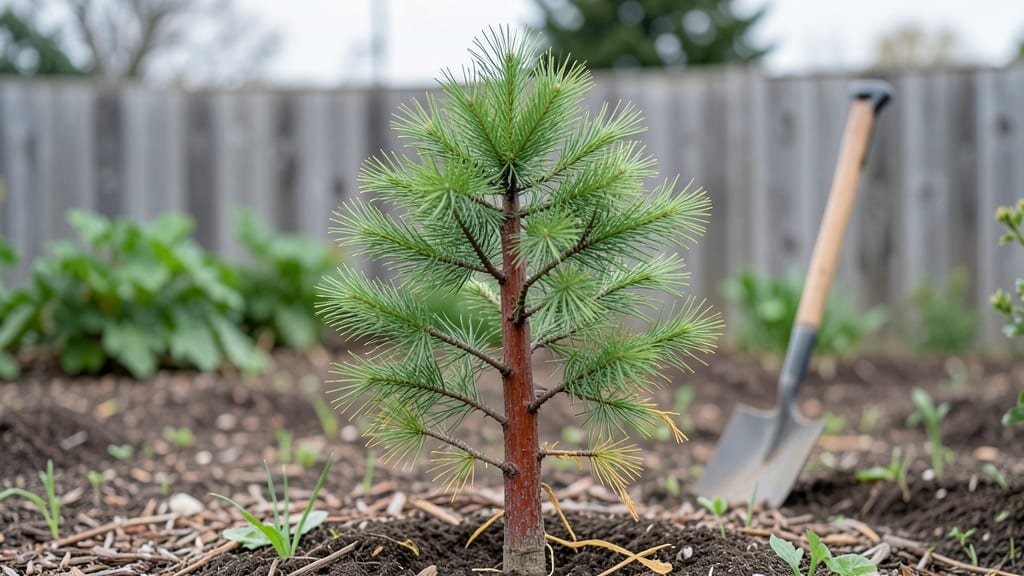
Planting redwood trees in your yard means future shade and coastal grandeur—if you get the conditions right. I planted mine last spring, and the key to their towering success starts with cool, moist soil and plenty of space to spread those massive roots.
Redwoods aren’t just trees; they’re living monuments that thrive where summers are mild and winters are damp, just like their native California coast.
The right spot makes all the difference—redwoods hate heat and dry soil. Pick a location with morning sun and afternoon shade, at least 30 feet from your house (those roots grow wide), and soil that drains well but stays moist.
Amend heavy clay with compost, and avoid rocky ground where roots can’t stretch. My first attempt in full sun? The sapling struggled—until I moved it to a shadier, damper patch where it’s now 6 feet tall in just two years.
Once planted, water deeply twice a week for the first year, keeping the soil consistently damp but not soggy. Mulch heavily to lock in moisture and protect those delicate roots from temperature swings.
Within 5-10 years, you’ll see dramatic growth—10-20 feet per decade—if conditions are ideal. The payoff? A living cathedral of green that outlasts most gardens.
Redwoods aren’t for small yards or hot climates, but in the right setting, they’re foolproof giants. Coastal gardeners get the best results, but even inland areas with mild summers can grow them—just mimic their natural habitat. Here’s how to set yours up for centuries of growth.
📚 In This Guide
- What you need
- Instructions
- Tips and common mistakes
- Wrapping up and next steps
What you need
- ● Redwood seedlings or saplings: Choose Sequoia sempervirens (coast redwood) or Sequoiadendron giganteum (giant sequoia). Opt for 1- to 3-year-old trees (3–6 ft tall) for best establishment.
- ● Well-draining soil: Redwoods thrive in acidic to neutral pH (5.5–7.0). Amend heavy clay with compost or peat moss (5–10 gallons per planting hole).
- ● Organic mulch: 6–12 inches of wood chips, bark, or pine needles to retain moisture and regulate soil temperature.
- ● Watering supplies: A hose with a gentle spray nozzle or drip irrigation system (critical for the first 2 years).
- ○ Fertilizer (optional but helpful): A balanced, slow-release fertilizer (10-10-10 or 20-20-20) applied 2–3 times per year during growing seasons.
- ● Shovel or spade: For digging planting holes 3x wider and as deep as the root ball.
- ● Garden gloves: To protect hands while handling soil and roots.
- ● Pruning shears: For trimming dead or damaged branches post-planting.
- ● Stakes and ties (if needed): For young saplings in windy areas (2–3 stakes per tree).
- ● Soil pH test kit: To ensure your soil meets redwoods’ preferences.
- ● Erosion control fabric: For slopes or areas with loose soil.
- ● Tree guard or wire mesh: To protect young trees from deer or rodents.
- ● Slow-release watering granules: For drought-prone climates (apply around the root zone).
- ● Mycorrhizal fungi: Boosts root growth (mix into planting hole).
Instructions for planting redwood trees: coastal giant growth secrets
Here’s how to establish your redwoods with the precision coastal nurseries use—strong roots and all.
Choose the Right Planting Site and Season
Redwoods thrive in cool, moist climates with well-draining soil and partial shade to full sun. Avoid low-lying areas where cold air pools—redwoods hate frost pockets. The best time to plant is late winter to early spring, just as new growth begins. This gives roots 6-8 weeks to establish before summer heat arrives.
Test your soil’s drainage by digging a 12-inch hole—if water pools after 30 minutes, amend with 3-4 inches of compost to improve structure. Redwoods despise soggy roots, so elevation matters. If your yard has heavy clay, consider raised beds or mounded soil for better aeration.
Prepare the Planting Hole and Amend Soil
Dig a hole twice as wide as the root ball but no deeper—redwoods need room to spread horizontally. The top of the root ball should sit 1-2 inches above ground level to prevent stem rot. Mix the excavated soil with 50% compost and 10% perlite to loosen it. Avoid heavy amendments like manure, which can burn tender roots.
Gently loosen the root ball’s edges with your fingers if it’s tightly bound. If the tree arrives in a wire basket, cut the basket away entirely—roots need to breathe and expand freely. Place a 2-inch layer of wood chips at the hole’s base to mimic the forest floor’s natural mulch and retain moisture.
Position and Backfill with Precision
Lower the redwood into the hole, ensuring the north-south orientation matches its natural growth habit (young trees often grow slightly crooked—correct this now). Fill the hole with the amended soil mix, tamping gently every 3 inches to eliminate air pockets. Water deeply as you backfill to settle the soil around roots.
Once filled, create a 6-inch-wide berm around the base to direct water toward the roots. Mulch with 3-4 inches of wood chips, keeping it 6 inches away from the trunk to prevent rot. Water again until the soil 8 inches deep feels uniformly moist—this signals proper hydration for the first critical weeks.
Water and Stake for Stability
Newly planted redwoods need deep watering twice weekly for the first 3 months, even if rain falls. Use a soaker hose to deliver 1-2 gallons per week directly to the root zone—avoid overhead watering, which can spread disease. Redwoods establish slowly; consistent moisture is more important than occasional deep soaks.
Stake only if the tree leans more than 30 degrees—use two 4-foot stakes placed 12 inches from the trunk and tie with soft fabric strips (never wire). Remove stakes after 12 months to avoid girdling. Prune only to remove dead or crossing branches—redwoods self-prune naturally, so minimal intervention is best.
Monitor and Protect Young Growth
Watch for yellowing needles—this signals either overwatering or nutrient deficiency. Redwoods prefer acidic soil (pH 5.5-7.0); test your soil and amend with sulfur if needed. Fertilize only in the second year with a balanced 10-10-10 formula, applied in early spring. Over-fertilizing burns roots and encourages weak, fast growth.
Protect young trees from deer and rodents with chicken wire fencing for the first 2 years. Redwoods grow 2-3 feet annually when established, but early protection ensures they reach maturity. Avoid heavy pruning—redwoods develop their iconic shape naturally. With patience, your coastal giants will thrive for centuries.
Tips & tricks for perfect redwood tree planting
These precision techniques will help your coastal redwoods grow strong, just like the ancient giants of the California forests.
Soil Drainage Test: The 30-minute water drainage test in Step 1 is critical—this mimics natural forest conditions where redwoods thrive. If water disappears faster than 30 minutes, your soil drains too quickly and may need organic matter. Conversely, if water remains after 30 minutes, amend with additional perlite or sand to improve aeration. I've seen redwoods fail within months when planted in poorly draining soil, so don't skip this diagnostic step.
Root Ball Preparation: When loosening the root ball edges in Step 2, be gentle but thorough—you're creating pathways for roots to expand into the surrounding soil. If your tree arrives in a wire basket, cut it completely away before planting. I once planted a redwood with the basket still attached, and within weeks, the roots began circling rather than spreading outward. This mistake can strangle your tree's growth for years.
Watering Precision: The twice-weekly deep watering regimen in Step 4 requires consistency. Use a moisture meter to verify the 8-inch deep soil moisture level—this is your target. I recommend watering in the early morning to reduce evaporation and fungal risks. During summer months, you may need to increase to three times weekly, especially in containers or sandy soils.
Staking Strategy: Only stake trees leaning more than 30 degrees, as specified in Step 4. Use soft fabric ties and check them monthly—they can girdle the trunk if left too tight. I've seen redwoods with permanent damage from wire ties that cut into the bark over time. Remember to remove stakes after 12 months to prevent root restriction as the tree matures.
Pro Tips for Planting Redwood Trees
- These precision techniques will help your coastal redwoods grow strong, just like the ancient giants of the California forests.
- Soil Drainage Test: The 30-minute water drainage test in Step 1 is critical—this mimics natural forest conditions where redwoods thrive.
- Root Ball Preparation: When loosening the root ball edges in Step 2, be gentle but thorough—you're creating pathways for roots to expand into the surrounding soil.
Frequently asked questions
Got questions about growing these towering beauties? Here are some of the most common ones—and their answers—to help you get started on your redwood journey!
How long does it take for a redwood tree to grow to maturity?
Redwoods are patient giants! Coastal redwoods (Sequoia sempervirens) grow about 3–4 feet per year under ideal conditions, reaching 100+ feet in 50–75 years. Giant sequoias (Sequoiadendron giganteum) grow slower (1–2 feet/year) but can live 2,000+ years. Patience is key—think of them as a long-term investment!
Can I plant a redwood tree in my backyard, or do they need a forest?
While redwoods thrive in coastal climates with high humidity and mild winters (USDA Zones 5–9), they can adapt to yards—if you mimic their natural habitat. Plant in well-draining, acidic soil, provide morning sun and afternoon shade, and keep the roots moist but not soggy. Avoid urban areas with pollution or dry heat. Pro tip: Group with ferns or rhododendrons for a mini-redwood ecosystem!
Will redwood trees survive in cold or hot climates?
Redwoods are not frost-hardy—they prefer 40–70°F temps year-round. Coastal redwoods tolerate light frosts (down to 15°F), but extended cold snaps or heatwaves (above 90°F) can stress them. If you live in a hot/dry climate, opt for dwarf varieties (like 'Pendens') or plant in containers with extra shade and water.
How often should I water a newly planted redwood tree?
Newly planted redwoods need deep watering 2–3 times per week for the first year to establish roots. After that, 1–2 times weekly (or more in droughts). Key rule: Keep soil consistently moist but avoid waterlogging. Mulch heavily (3–4 inches) to retain moisture. Once mature, they’re drought-tolerant—but young trees need consistent care!
Why is my redwood tree’s foliage turning brown? Is it dying?
Brown needles usually signal stress from overwatering, underwatering, or sunburn. Check the soil—soggy roots cause fungal issues, while crispy needles mean drought. If only tip burn appears, it’s likely fluoride sensitivity (common near roads). Trim dead branches and adjust care. Good news: Redwoods are resilient—fix the issue, and new growth will return!
Are there smaller redwood varieties for small yards?
Yes! If space is limited, try these dwarf or columnar redwoods:
- 'Pendens' (Weeping redwood) – Grows to 30–50 ft with graceful branches.
- 'Golden Dawn' – Compact (20–30 ft) with golden foliage.
- 'Monterey Redwood' – Slower-growing (10–15 ft/decade).
Wrapping up and next steps
Planting redwood trees is a rewarding way to add majesty, shade, and long-term beauty to your yard—while helping the environment! 🌲 These coastal giants thrive with the right care, patience, and preparation, whether you're nurturing a sapling or transplanting a mature tree.
Remember, their towering growth and resilience are well worth the effort.
Ready to get started? Take the next step:
- Mark your planting spot and gather your tools.
- Reach out to local nurseries or conservation groups for redwood saplings.
- Share your journey with fellow green thumbs—planting is always better together!