
Transplanting
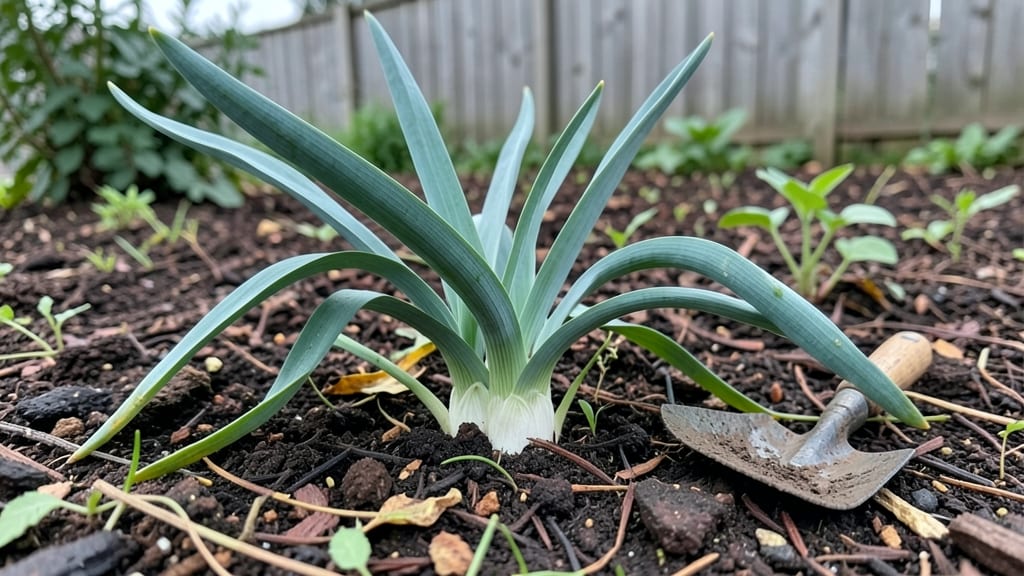
Planting wild leeks transforms shady corners into a year-round harvest goldmine. 🌱 I’ve spent years coaxing these finicky perennials into thriving patches, and the secret isn’t just patience—it’s mimicking their forest home. These hardy alliums thrive where most vegetables refuse to grow, turning neglected spots into a wild, edible understory.
The trick starts with soil: wild leeks demand rich, moist, and slightly acidic earth—think leaf mold mixed with compost. They’ll tolerate partial shade but need at least 4 hours of dappled sunlight daily.
Space divisions 12 inches apart for a dense patch, and water them like a woodland stream: consistently damp but never soggy. The first year is slow—just leafy growth—but by year two, you’ll have a self-sustaining harvest.
By late spring, you’ll be snipping the delicate, garlic-like greens for salads or sautéing the bulbs like scallions. The flavor is milder than chives but packs a subtle, earthy punch that elevates any dish.
And because they spread slowly, you’ll have a steady supply without overcrowding. Just avoid digging up wild stands—ethical sourcing keeps these native treasures thriving.
Perfect for gardeners with shady yards, woodland edges, or even container setups. Here’s how to get started without the usual frustrations of slow-growing perennials—no green thumbs required, just the right conditions.
📚 In This Guide
- What you need
- Instructions
- Tips and common mistakes
- Wrapping up and next steps
What you need
- ● Wild leek plants or seeds: For transplanting: 10–20 mature wild leeks (digged carefully with roots intact). For seeds: 1–2 packets of organic wild leek seeds (or saved seeds from your harvest).
- ● Garden soil: Well-draining, moist but not waterlogged, and rich in organic matter (amend with compost if needed).
- ○ Shade cloth (optional but helpful): 30–50% shade coverage for hot climates (wild leeks thrive in partial to full shade).
- ● Garden fork or trowel: For digging and transplanting roots (a broadfork works best for large patches).
- ● Watering can or hose with a gentle spray nozzle: Wild leeks love consistent moisture—avoid soggy soil.
- ● Mulch (straw, wood chips, or leaves): 2–3 inches to retain moisture and suppress weeds.
- ● Compost or slow-release fertilizer: A balanced 10-10-10 or organic option (like fish emulsion) to boost growth.
- ● Garden twine or stakes: For marking rows if you’re sowing seeds in a new bed.
- ● Wildlife deterrents: Deer netting (if rabbits or deer are a problem—wild leeks are highly attractive to critters!).
- ● pH test kit: Wild leeks prefer slightly acidic to neutral soil (pH 6.0–7.0).
Step-by-step guide to planting wild leeks in shady gardens
Here's how to cultivate these hardy, flavorful perennials with minimal effort.
🌱 Step 1: Choose the Right Location and Prepare the Soil
Wild leeks thrive in partial to full shade, making them perfect for under trees or along north-facing foundations. Test your spot by observing how much sunlight it receives—ideal locations get less than 4 hours of direct sun daily. The soil should be moist but well-draining; wild leeks despise soggy roots.
Loosen the top 6 inches of soil with a garden fork, breaking up any compacted layers. Mix in 2-3 inches of compost to enrich the soil without altering its natural structure. Wild leeks spread aggressively, so avoid planting near delicate perennials—their rhizomes will eventually take over.
🪴 Step 2: Plant Rhizomes or Seeds at the Correct Depth
If using rhizomes (the preferred method for faster establishment), plant them 2 inches deep and 6 inches apart. The flat side of the rhizome should face downward, while the pointed end points upward—this mimics their natural growth orientation. Cover lightly with soil and water immediately to settle everything in place.
For seeds, scatter them ¼ inch deep in early spring or fall. Germination is slow, often taking 4-6 weeks, so patience is key. Keep the soil consistently moist during this period—wild leek seeds won’t sprout if the ground dries out. I like to mulch with 2 inches of shredded leaves to retain moisture and suppress weeds.
💧 Step 3: Water and Mulch for Year-Round Growth
Water newly planted wild leeks 1-2 times weekly until they establish roots, which typically takes 6-8 weeks. You’ll know they’re settled when new leaves emerge and the soil stays moist between waterings. After establishment, they’re drought-tolerant, but mulching with 3-4 inches of organic matter (like wood chips or straw) ensures consistent growth.
Mulch also protects the rhizomes from winter freeze-thaw cycles, which can damage tender roots. In late fall, add an extra layer of mulch to insulate the soil. Wild leeks are one of the first edible greens to appear in early spring—often before snow melts in shaded areas.
✂️ Step 4: Harvest and Maintain for Continuous Yield
Harvest leaves as needed, cutting them 2 inches above the ground to encourage regrowth. Avoid taking more than ⅓ of the plant at once—wild leeks recover quickly, but over-harvesting weakens the rhizome system. The best flavor comes from younger leaves, so prioritize those in early spring and fall.
Divide mature clumps every 3-4 years to prevent overcrowding. Dig up sections in early spring, separate the rhizomes, and replant them in fresh soil. This rejuvenates the patch and gives you free plants to share with fellow gardeners. Wild leeks spread naturally, so keep an eye on their expansion—especially in garden beds where you want to maintain borders.
☀️ Step 5: Protect from Pests and Diseases
Wild leeks are generally pest-resistant, but deer and rabbits may nibble on young shoots. Install a 4-foot tall fence if these critters are a problem in your area. Slugs and snails can also be an issue in damp shade—handpick them in the evening or use beer traps as a natural deterrent.
Fungal issues rarely affect wild leeks, but poor drainage can lead to root rot. If your soil stays waterlogged, amend it with sand or perlite to improve aeration. Healthy wild leeks have bright green, glossy leaves with a slight onion scent when crushed. Yellowing or wilting indicates overwatering or nutrient deficiency—adjust care accordingly.
Tips & tricks for perfect wild leek cultivation
These insider strategies will help you transform your shady garden into a year-round wild leek powerhouse—no green thumb required.
Location Intelligence: Test your spot's shade pattern for at least 4 hours daily before planting—wild leeks will reward you with robust growth in areas where other plants struggle. I always check sunlight patterns for a full week in spring and fall, as seasonal sun angles change dramatically. For maximum productivity, prioritize areas with dappled light from deciduous trees, which provide ideal conditions year-round.
Rhizome Orientation Matters: Planting rhizomes with the flat side down (as instructed) isn't just tradition—it mimics their natural growth pattern in the wild. The pointed end should always face upward to prevent stunted growth. I've seen firsthand how improper orientation leads to weak shoots that never fully establish. Take the extra 30 seconds to position them correctly, and you'll see stronger plants within weeks.
Germination Strategy: The 4-6 week germination window for seeds is deceptive—it's not just about time, but about consistency. I've found that maintaining 1-2 inches of mulch (as mentioned) creates a microclimate that keeps soil temperatures stable, which is crucial for those delicate seeds. Water gently in the morning to prevent fungal issues, and avoid soaking the seeds—just keep the top inch of soil damp like a wrung-out sponge.
Harvesting Technique: When harvesting, always cut leaves 2 inches above ground level to preserve the plant's energy reserves. I've learned the hard way that taking leaves too close to the base stresses the rhizome system. For continuous harvests, focus on the youngest, most tender leaves first—they'll regrow quickly while you enjoy that perfect balance of mild onion flavor and tender texture. The first harvest after winter is always the sweetest!
Pro Tips for Planting Wild Leeks
- These insider strategies will help you transform your shady garden into a year-round wild leek powerhouse—no green thumb required.
- Location Intelligence: Test your spot's shade pattern for at least 4 hours daily before planting—wild leeks will reward you with robust growth in areas where other plants struggle.
- Rhizome Orientation Matters: Planting rhizomes with the flat side down (as instructed) isn't just tradition—it mimics their natural growth pattern in the wild.
Frequently asked questions
about planting wild leeks—because even the toughest foragers need a little guidance! Here’s what you’ve been wondering:When is the best time to transplant wild leeks?
Transplant wild leeks in early spring or fall when soil is moist but not soggy. Avoid extreme heat—wild leeks thrive in cool, damp conditions. If you’re in a mild climate, you can even plant them in late winter for an early harvest!
Can I grow wild leeks in containers?
Yes! Wild leeks adapt well to containers as long as the pot is at least 12 inches deep and has drainage holes. Use a rich, well-draining potting mix and keep them in partial shade. Just be ready to water more frequently—they dry out faster in pots.
How do I protect wild leeks from pests?
Wild leeks are generally pest-resistant, but slugs and snails may still munch on them. Use organic slug bait or create a beer trap (bury a shallow dish of beer near plants). For deer or rabbits, try chicken wire barriers or companion planting with garlic or onions.
How long does it take for wild leeks to establish and produce edible greens?
With proper care, you’ll see tender shoots in 4–6 weeks after transplanting. Full maturity (larger bulbs and greens) takes about 2–3 months. Be patient—wild leeks grow slowly but reward you with a year-round harvest if managed well!
What if my wild leeks aren’t thriving in shade?
Wild leeks love dappled shade or partial sun (2–4 hours daily). If they’re struggling, check for overcrowding (thin seedlings) or poor soil (amend with compost). If your garden is too dark, try a container near a window or a spot under tall trees where light filters through.
Wrapping up and next steps
Planting wild leeks is a rewarding way to bring perennial flavor and abundance to your shady garden with minimal effort! 🌱 Whether you’re a seasoned gardener or just starting, their hardy nature and year-round harvest potential make them a must-try.
Now that you’re equipped with the right tools, timing, and tips, it’s time to roll up your sleeves and transform your garden into a wild leek paradise.
Ready to take the next step? Start small—grab a few bulbs or seeds, mark your shady spot, and plant them this season. Before you know it, you’ll be savoring fresh, homegrown wild leeks straight from your garden! 🌿