Picking
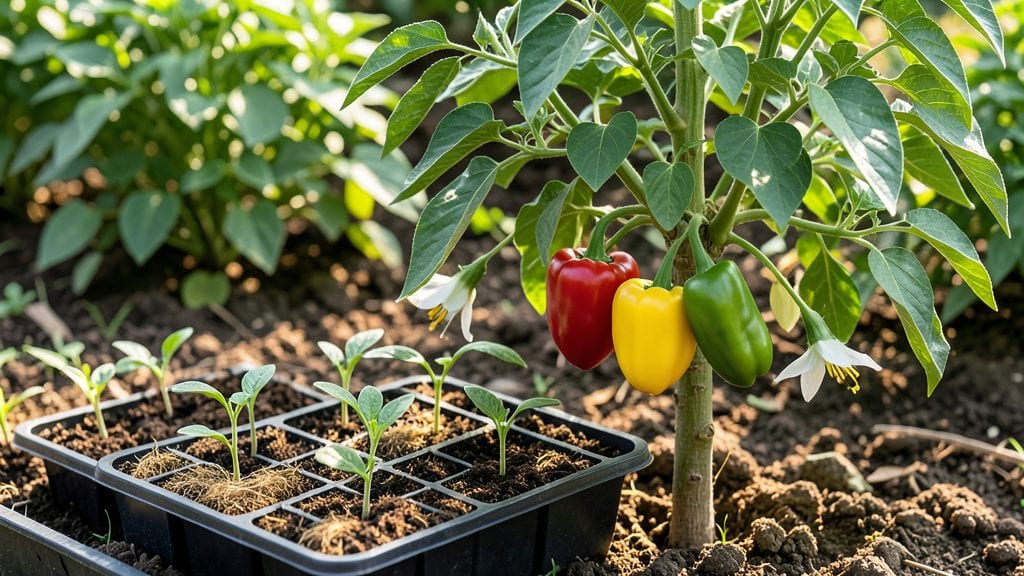
Planting peppers with the right spacing and sunlight is the secret to avoiding crowded, disease-prone plants that yield tiny peppers instead of the juicy harvests you dream of. 🌿 I learned this the hard way after cramming six pepper plants into a 4-foot square and watching them fight for every inch of light and air.
The difference between a struggling patch and a thriving bed comes down to giving each plant enough room to stretch, breathe, and produce.
Start with well-draining soil mixed with compost—peppers hate soggy roots—and space them 18-24 inches apart in rows that are 2-3 feet apart. That might feel like overkill, but trust me: your plants will thank you with thicker stems, more flowers, and fewer pests.
If you're short on space, try vertical growing with cages or stakes, but never skimp on sunlight—peppers need 6-8 hours of direct sun daily to set fruit.
By midseason, you'll be harvesting pounds of peppers instead of just a handful, and the plants will look like they're on a spa retreat rather than a battle for survival.
The key is patience: wait until soil temps hit 60°F before planting, and don’t rush the process—peppers grow faster when they’re not stressed. Even my black thumb can’t mess this up once you nail the spacing.
For experienced gardeners, consider succession planting every 2 weeks to extend your harvest, and mix in basil or marigolds to repel pests naturally. The real magic happens when you combine proper spacing with consistent watering—deep but infrequent—and a light feeding of balanced fertilizer every 3-4 weeks.
Your garden will become the talk of the neighborhood.
📚 In This Guide
- What you need
- Instructions
- Tips and common mistakes
- Wrapping up and next steps
What you need
- ● Peppers: Choose your varieties (e.g., bell peppers, jalapeños, or habaneros). Aim for 4-6 plants per person or 1 plant per 12-18 inches of garden space.
- ● Well-draining potting mix or garden soil: At least 10-15 gallons (or enough to fill raised beds/containers).
- ● Containers or garden bed: For containers: 5-gallon pots or larger (minimum 12" diameter).
- ● For in-ground planting: A sunny spot with 6-8 hours of light daily.
- ● Organic compost or fertilizer: Balanced 10-10-10 or pepper-specific blend (follow package instructions).
- ● Mulch: Straw, wood chips, or grass clippings (2-3 inches thick).
- ● Watering can or hose with a gentle spray nozzle.
- ● Gloves and pruners (for handling plants and trimming).
- ● Plant supports: Stakes or cages for taller varieties (e.g., bell peppers).
- ● Row covers or shade cloth: For early planting or hot climates (30-50% shade).
- ● Slow-release fertilizer tablets (for containers).
- ● pH testing kit: Ideal pepper soil pH is 6.0-6.8.
- ● Pest control: Neem oil, diatomaceous earth, or companion plants (e.g., basil or marigolds).
How to plant peppers for maximum sun exposure and space efficiency
Peppers thrive when you respect their need for sunlight and breathing room—here's how to set them up for a thriving harvest.
🌱 Step 1: Choose the Right Location and Prepare the Soil
Peppers demand 6-8 hours of direct sunlight daily, so pick a spot that gets morning sun and afternoon light without shade from trees or buildings. I always test locations by placing a white board where the plants will go—if it stays cooler than 70°F for more than 2 hours, move to a sunnier spot.
Loosen the soil to a depth of 12 inches with a garden fork, breaking up any compacted layers. Work in a 2-3 inch layer of compost (from your ingredients list) to enrich the soil without overwhelming the plants. Peppers prefer soil that drains well but holds moisture—think crumbly, not sandy or clay-heavy.
☀️ Step 2: Space Plants for Optimal Airflow and Sunlight
Peppers need 18-24 inches between plants in all directions to prevent disease and ensure full sun exposure. I plant them in a grid pattern, spacing rows 24-36 inches apart to allow for easy movement between plants when harvesting. Crowding leads to poor air circulation, which invites fungal issues like powdery mildew.
If you're planting in containers, use 5-gallon pots minimum—peppers have deep roots and need room to stabilize. Place pots where they’ll receive consistent sun, and rotate them a quarter turn weekly to prevent leaning toward the light.
🌿 Step 3: Plant at the Correct Depth and Water Deeply
Dig a hole slightly deeper than the root ball of your pepper plant—just enough to bury the base of the stem up to the first set of leaves. This encourages stronger root growth. Gently remove the plant from its container, loosen the roots if they’re circling, and place it in the hole.
Fill the hole with soil, pressing lightly to remove air pockets. Water deeply right after planting—1-2 gallons per plant—to settle the soil and encourage roots to spread. You’ll know it’s enough when water drains out the bottom of the hole or container. Avoid wetting the leaves to prevent disease.
✂️ Step 4: Mulch and Monitor for Sun and Water Needs
Spread a 2-3 inch layer of mulch around each plant, keeping it 2 inches away from the stem to prevent rot. Mulch keeps soil moist, suppresses weeds, and protects roots from temperature swings. I use straw or shredded leaves because they break down slowly and improve soil structure over time.
Water peppers at the base 1-2 inches per week, adjusting for rainfall. The soil should feel moist but not soggy—stick your finger in 1 inch deep. If it’s dry, water; if it’s damp, wait. Peppers are drought-tolerant once established, but they won’t produce well if stressed. Watch for wilting leaves in the afternoon, which signals they need more water.
🌱 Step 5: Prune and Support for Bigger Harvests
When plants reach 12-18 inches tall, pinch off the first few flowers to encourage stronger stem and root growth. This might seem counterintuitive, but it leads to a heavier harvest later. As peppers grow, tie tall varieties to stakes or cages to prevent them from toppling over—especially in windy conditions.
Remove any suckers (small shoots that form in the leaf axils) to direct the plant’s energy into fruit production. You’ll also want to prune away any yellow or diseased leaves immediately. Healthy peppers should have deep green, glossy leaves and no signs of pests or spots.
Tips & tricks for perfect pepper planting
Here's what I've learned after years of gardening with peppers—these tricks will help you avoid common mistakes and maximize your harvest.
The Sunlight Secret: That 6-8 hours of direct sunlight is non-negotiable, but here's the thing: morning sun is more important than afternoon. I've noticed my peppers produce more fruit when they get that bright morning light to kickstart photosynthesis. If you're in a shady spot, consider using reflective surfaces like white boards or even white plastic sheeting around the plants to bounce extra light their way.
Soil Preparation Pro Tip: When loosening that 12-inch depth of soil in Step 1, don't just break up the top layer—work all the way down. Compacted soil at the bottom can strangle your pepper roots. I like to add a handful of coarse sand to heavy clay soils to improve drainage, but only if your soil feels like it holds water for days after rain. The goal is that crumbly texture mentioned in the instructions.
Spacing Strategy: The 18-24 inch spacing between plants might seem generous, but trust me on this: crowded peppers get fungal diseases and produce smaller fruit. I've had to replant entire rows because I skipped this step. For container gardeners, remember that 5-gallon pot minimum is crucial—peppers have surprisingly deep roots. If you're short on space, consider vertical growing with trellises for your pepper varieties.
Watering Wisdom: That 1-2 inch weekly watering guideline works best when you water deeply but infrequently. I set a rain gauge near my pepper patch and discovered I was overwatering—my plants were getting waterlogged. The key is that 1-inch deep soil check: if it's dry at that depth, water until you see drainage at the bottom. This prevents both underwatering and the root rot that comes from soggy soil.
Pro Tips for Planting With Peppers
- Here's what I've learned after years of gardening with peppers—these tricks will help you avoid common mistakes and m...
- The Sunlight Secret: That 6-8 hours of direct sunlight is non-negotiable, but here's the thing: morning sun is more i...
- Soil Preparation Pro Tip: When loosening that 12-inch depth of soil in Step 1, don't just break up the top layer—work...
Frequently asked questions
Got questions about planting with peppers?
You’re not alone! Here are answers to the most common queries to help you grow a thriving pepper garden.
When is the best time to plant peppers?
Peppers thrive in warm soil, so wait until after the last frost when nighttime temps stay above 55°F (13°C). Start seeds indoors 8–10 weeks before transplanting, or buy sturdy seedlings from a nursery. In warmer climates (Zones 9–11), you can plant as early as February!
How long does it take for pepper plants to produce fruit?
Patience is key! From transplanting, expect 60–90 days for bell peppers and 70–120 days for hot varieties like jalapeños or habaneros. Soil warmth, sunlight (6+ hours/day), and consistent watering speed up fruiting—so keep those peppers happy and hydrated!
Can I plant peppers with other vegetables?
Peppers love companions like basil, onions, spinach, or tomatoes (they deter pests). Avoid planting near fennel or brassicas (cabbage family), as they compete for nutrients. For a no-fail combo, try peppers + marigolds—they repel harmful insects naturally!
Why aren’t my pepper plants fruiting?
Common culprits include insufficient sunlight (move to a sunnier spot), overwatering (let soil dry slightly between waterings), or nutrient deficiencies (add compost or a balanced fertilizer). Also, check for pollen issues—hand-pollinate flowers with a soft brush if needed!
What if I don’t have enough space for pepper plants?
No problem! Grow bush varieties (like ‘Snackable’ or ‘Jupiter’) in containers (5+ gallons) or use vertical gardening with trellises. For small spaces, try interplanting peppers with shallow-rooted herbs like thyme or oregano—every inch counts!
Wrapping up and next steps
Planting with peppers is all about giving them the love—and space—they crave! 🌱 By mastering sun-loving spacing and smart companion planting, you’ll unlock a harvest so vibrant, it’ll make your neighbors jealous. Whether you’re a first-timer or a seasoned gardener, the key is patience and precision.
Ready to level up your garden game? Start by sketching your layout this week—plot those pepper patches, mark companion plants, and get ready to watch your hard work bloom (literally!).
And if you’re feeling bold, share your pepper-planting wins in the comments or tag us—we’d love to see your green thumbs in action! 🌶️✨