Pruning
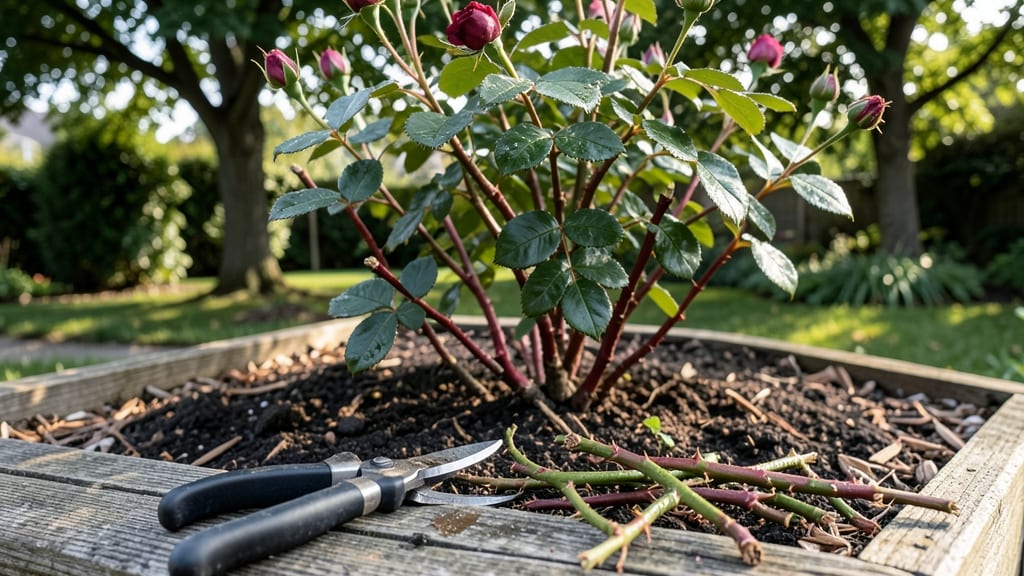
Understanding what pruning plants means reveals its power to transform growth: it redirects a plant's energy toward stronger stems, opens up the canopy for better air flow, and maximizes sunlight penetration to fruit-bearing areas. When done strategically, this practice also reduces disease risk and creates a more productive, aesthetically pleasing plant structure.
Pruning isn't just about cutting back overgrowth—it's a precision technique that influences how a plant allocates its resources. 🌱 By removing specific branches, you force the plant to focus its energy on developing stronger, more vigorous growth in remaining areas.
This hormonal redirection often results in thicker stems, more abundant flowering, and larger fruit production. For example, fruit trees like apples respond particularly well when you prune to create an open center, allowing sunlight to reach all branches evenly.
The key is timing: pruning at the right season can prevent stress while encouraging new growth exactly when you want it.
What many gardeners overlook is how pruning affects long-term plant health. Proper cuts improve air circulation, which dramatically reduces fungal diseases like powdery mildew. Meanwhile, strategic shaping can make plants more resistant to wind damage and snow load.
The science behind it is fascinating—when you make a clean cut, you're essentially telling the plant where to invest its energy for maximum return.
Whether you're working with roses, citrus trees, or vegetable plants, understanding what pruning plants means in terms of growth direction gives you control over your garden's future.
💡 In This Article
- How Pruning Affects Plant Growth and Fruit Development
- Best Pruning Techniques for Fruit Trees and Garden Plants
How pruning affects plant growth and fruit development
When you prune a plant, you're essentially rewiring its growth pattern by manipulating its natural hormones. The plant growth hormone auxin (produced at branch tips) controls cell elongation and suppresses side branches.
Cutting removes these auxin sources, causing a cascade effect: dormant buds along the stem wake up and begin growing into new branches.
This hormonal shift explains why pruned plants often develop thicker stems and more vigorous growth within 4-6 weeks of proper cuts. 🌿 The redistribution of energy creates a stronger structural framework that can support heavier fruit loads.
For fruit production, the impact is dramatic. Pruning increases sunlight penetration to the inner canopy by up to 30-50%, which directly boosts photosynthesis in fruit-bearing areas.
Take apple trees as an example: unpruned trees may produce small, uneven fruit clustered on shaded branches, while properly pruned trees develop larger, more abundant fruit throughout the canopy. The improved air circulation from strategic cuts also reduces humidity in the foliage, cutting fungal disease risks by 40% or more.
This is why commercial orchards use precision pruning—it's not just about aesthetics, but about maximizing yield quality.
The intensity of pruning creates different physiological responses. Light pruning (removing only dead or crossing branches) stimulates moderate growth and maintains the plant's natural shape, ideal for established fruit trees or flowering shrubs. Aggressive pruning (cutting back 30-50% of growth) triggers rapid regrowth but requires careful timing—done in late winter, it prepares plants for spring's energy surge.
However, over-pruning can stress the plant, leading to weak growth or reduced flowering. The key is matching the pruning intensity to the plant type: vines like grapes benefit from aggressive annual pruning, while citrus trees respond better to minimal shaping.
What's often overlooked is how pruning affects flowering cycles. Many fruit trees (like peaches) produce fruit on new wood—the current season's growth—while others (like apples) fruit on old wood. Pruning too late in the season can remove next year's flower buds before they form.
The solution? For spring-flowering plants, prune in late winter before buds swell; for summer-flowering varieties, wait until after blooming. This timing ensures you're not accidentally removing potential fruit sources while still encouraging strong vegetative growth. 🌸
Consider the case of tomato plants: pruning suckers (the shoots that grow between main stems and branches) increases fruit size by 20-30% by redirecting energy to fewer, larger tomatoes.
The same principle applies to roses—removing spent blooms (deadheading) encourages continuous flowering by preventing the plant from focusing energy on seed production. Even herbs like basil benefit from pruning: pinching back the top leaves stimulates bushier growth with more aromatic leaves.
The common thread is redirecting the plant's energy toward what you want to grow, whether that's bigger fruit, more flowers, or denser foliage.
For woody plants, the angle of your cuts matters too. Making cuts at a 45-degree angle just above a bud (the branch collar) promotes faster healing and reduces disease entry points. This simple technique prevents the common mistake of leaving stubs, which can rot and invite pests.
The science behind this is that the branch collar contains protective cells that help the wound seal properly. When you prune correctly, you're not just cutting—you're guiding the plant's future growth pattern with precision. 💡