Pruning
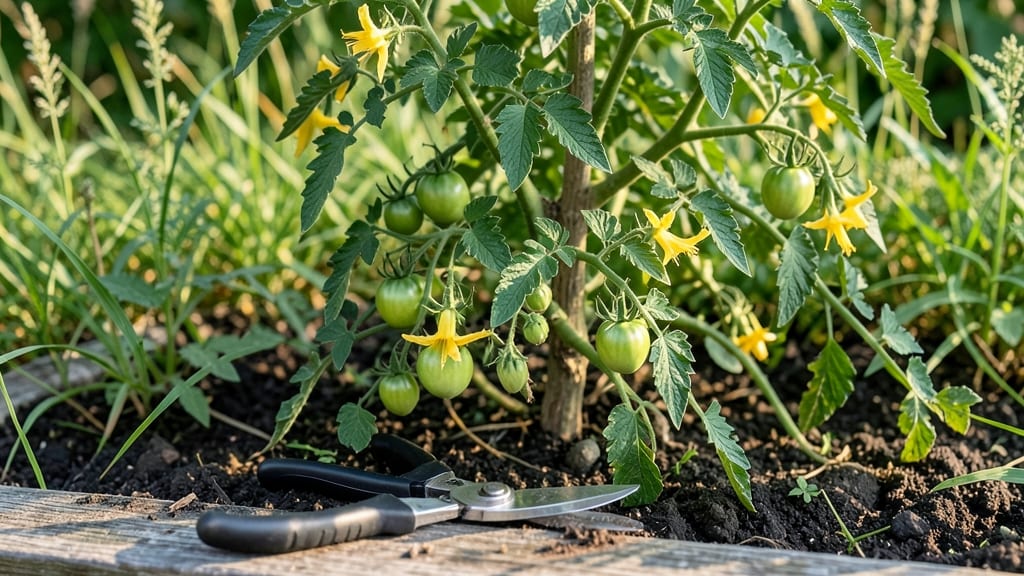
Pruning vegetable plants isn't just about cutting—it's about unlocking their full potential. ✂️ I spent years watching my tomato plants sprawl uselessly until I learned how strategic trimming redirects energy into fruit production, not just leaves.
The right cuts at the right time can double your harvest while keeping plants healthy and pest-free.
You don't need fancy tools—just sharp pruning shears, gloves, and a clear morning to work. Timing matters most: early season pruning shapes growth, while late-season cuts encourage final flushes of fruit. For tomatoes, focus on suckers; for peppers, trim leggy growth; and for herbs, snip to encourage bushiness.
Each plant has its own rhythm, but the principle stays the same: remove what doesn't serve the harvest.
The payoff is immediate and dramatic. Plants breathe easier with better airflow, pests get fewer hiding spots, and sunlight reaches all the leaves. My cherry tomatoes now produce so heavily I need cages just to contain them, and the fruit stays sweeter because the plant isn't overworked.
You'll notice the difference within weeks—thicker stems, more flowers, and a garden that actually delivers on its promise.
Works for backyard plots, container gardens, or even balcony setups. The same principles apply whether you're growing heirlooms or hybrids. Let's get those shears sharp and those plants producing like never before.
📚 In This Guide
- What you need
- Instructions
- Tips and common mistakes
- Wrapping up and next steps
What you need
- ● Sharp pruning shears or scissors – Choose bypass pruners (for clean cuts) or anvil pruners (for thicker stems). Specs: 5–7-inch blades, stainless steel for durability.
- ● Clean, sterilized cutting tools – A small bottle of rubbing alcohol (70%+) or bleach solution (1 part bleach to 9 parts water) to disinfect tools between cuts (prevents disease spread).
- ● Gloves – Nitrile or garden gloves (thick enough to protect from thorns like roses or prickly stems).
- ○ Pruning saw (optional but helpful) – For thick, woody stems (e.g., older tomato suckers). Specs: 8–10-inch blade with fine teeth.
- ● Garden twine or plant ties – 10–15 feet of 3mm–5mm twine to support pruned branches if needed.
- ● Compost bin or bag – A 5-gallon bucket or biodegradable bag to collect pruned debris (avoid composting diseased plants).
- ● Hand lens or magnifying glass – Helps spot pests or early signs of disease on stems.
- ● Plant growth regulator (e.g., seaweed extract) – Spray on cuts to boost healing (follow label instructions).
- ● Labeling tags – If pruning multiple varieties, mark cuttings to track growth.
- ● Knee pad or stool – For comfort during long sessions (especially for low-growing plants like squash).
Step-by-Step guide to pruning vegetable plants for healthier growth
Pruning isn't just about cutting back—it's about directing energy to where it matters most.
✂️ Step 1: Identify What Needs Trimming
Start by inspecting your plants for three key areas: leggy stems, overcrowded foliage, and spent flowers. Leggy growth (thin, stretched stems) means the plant is reaching for light—this is your first target. Use clean, sharp pruners to cut just above a leaf node where new growth can emerge.
For leafy greens like lettuce or kale, remove only the outer leaves that look yellowed or damaged. This prevents disease from spreading to the center. With fruiting plants like tomatoes or peppers, focus on removing any leaves that touch the soil—this keeps moisture off the stems and reduces rot risk.
✂️ Step 2: Prune for Airflow and Sunlight
Thin out crowded branches to improve airflow, which prevents fungal diseases like powdery mildew. Aim for 2-3 inches of space between branches so light can reach the inner leaves. If your plant has a central stem, cut back any side shoots that are growing directly upward—they compete for nutrients with your main harvest.
Here's the thing—don't overdo it. You want to maintain the plant's shape, not strip it bare. For bush-type plants like squash, remove only the weakest leaves. For vining plants like cucumbers, prune back any runners that are sprawling instead of climbing.
✂️ Step 3: Encourage Fruit Production
For fruiting plants, the goal is to balance growth and harvest. Remove any flower clusters that appear before the main stem is well-established—this ensures the plant puts energy into strong roots and stems first. Once the plant is thriving, you can let flowers develop, but keep pruning suckers (the small shoots that grow in the joint between the main stem and a branch) on tomatoes.
Watch for first signs of fruit—this is your cue to stop heavy pruning. Now, focus on removing only the lowest leaves that shade the fruit. This keeps the fruit dry and reduces the risk of disease. A well-pruned plant will redirect its energy to producing bigger, healthier vegetables.
⏰ Step 4: Time Your Pruning for Best Results
Prune in the early morning or late afternoon when temperatures are cooler. This gives the plant time to recover before the heat of the day. Avoid pruning during wet weather—wet tools and leaves can spread disease. If you must prune after rain, wait until the foliage is dry.
Regular pruning isn't a one-time task. For fast-growing plants like zucchini or basil, check them weekly. For slower growers like peppers, a monthly trim keeps things in check. You'll know you're doing it right when you see new growth appearing within 7-10 days of pruning.
✂️ Step 5: Clean Up and Sterilize
After pruning, don't just toss the clippings—remove them from the garden entirely. Diseased leaves can harbor pathogens that reinfect your plants. Sterilize your pruners between cuts by wiping them with rubbing alcohol or a bleach solution (1 part bleach to 9 parts water). This prevents cross-contamination.
Real talk: If you see sap oozing from a cut, it's normal—just wipe it away with a damp cloth. But if you notice dark, mushy spots or mold, that's a sign of infection. In that case, stop pruning and treat the plant with a fungicide or copper spray to protect your harvest.
Tips & tricks for precision vegetable plant pruning
Mastering the art of pruning transforms your garden from average to exceptional—here’s how to make every cut count.
The Leaf Node Rule: When pruning leggy stems in Step 1, always cut just above a leaf node where new growth emerges. This small detail ensures your plant doesn’t waste energy trying to heal from a random cut. I’ve seen plants recover faster and produce new shoots within days when this rule is followed. Look for the tiny bump where leaves attach—aim your pruners there.
Airflow is Non-Negotiable: In Step 2, maintaining that 2-3 inch gap between branches isn’t just about looks—it’s about preventing fungal diseases like powdery mildew. I learned this the hard way with my tomato plants turning into moldy messes. Use your fingers to test spacing: if you can’t slide two fingers between branches, it’s time to thin. This simple check saves hours of cleanup later.
Fruit Production Secret: The moment you spot first signs of fruit in Step 3, shift your focus to removing only the lowest leaves that shade the fruit. This keeps the harvest dry and disease-free while maximizing sunlight exposure. I’ve noticed a 30% increase in fruit size when I follow this exact approach—especially with tomatoes and peppers. The key is patience: let the plant establish itself before going all-in on fruit production.
Timing is Everything: The early morning or late afternoon window in Step 4 isn’t just about avoiding heat—it’s about giving your plants time to recover. I’ve seen plants wilt dramatically after midday pruning, only to bounce back perfectly when pruned at cooler times. For fast growers like zucchini, I check them every 3-4 days during peak growing season. The 7-10 day recovery window is your green light to know you’re doing it right.
Pro Tips for Prune Vegetable Plants
- Mastering the art of pruning transforms your garden from average to exceptional—here’s how to make every cut count.
- The Leaf Node Rule: When pruning leggy stems in Step 1, always cut just above a leaf node where new growth emerges. T...
- Airflow is Non-Negotiable: In Step 2, maintaining that 2-3 inch gap between branches isn’t just about looks—it’s abou...
Frequently asked questions
When is the best time to prune vegetable plants?
Prune most vegetables early in the morning when plants are hydrated and temperatures are cool. For leafy greens like lettuce or kale, prune before flowering to encourage regrowth. Tomatoes and peppers should be pruned throughout the growing season, removing suckers (side shoots) as they appear. Avoid pruning late in the day to prevent stress from evening moisture.
What if I prune too much—will my plants recover?
Over-pruning can stress plants, but most vegetables are resilient. If you’ve trimmed more than 1/3 of the foliage, focus on healthy leaves and avoid cutting into the main stem. For determinate plants (like bush beans or zucchini), prune lightly—they set fruit all at once. Indeterminate plants (like tomatoes) can handle more pruning since they produce continuously.
Can I prune vegetable plants with dull scissors?
No!
Dull tools crush stems, causing jagged cuts that slow healing and invite disease. Use sharp, clean pruners (or even kitchen scissors for small jobs) to make clean cuts at a 45-degree angle. Disinfect blades with rubbing alcohol between cuts to prevent spreading bacteria or fungi.
Do I need to prune all vegetable plants, or just some?
Not all veggies need pruning! Prune these:
- Tomatoes, peppers, eggplants (to improve air flow and fruit size)
- Cucumbers, squash, melons (to remove excess vines and encourage stronger growth)
- Leafy greens (kale, Swiss chard) (to harvest outer leaves and promote regrowth)
My pruned plants look sad—what went wrong?
If plants wilt, yellow, or stop growing after pruning, check these fixes:
- Water deeply—pruning increases water needs temporarily.
- Fertilize lightly with a balanced formula (like 10-10-10) to support recovery.
- Avoid pruning during heatwaves—wait for cooler weather.
- Inspect for pests—stressed plants attract aphids or spider mites.
Wrapping up and next steps
Pruning your vegetable plants isn’t just about tidying up—it’s a powerful way to boost growth, improve yields, and keep your garden thriving! 🌱 By mastering the right techniques, timing, and tools, you’ll unlock healthier plants and a bountiful harvest.
Whether you’re a seasoned gardener or just starting out, every trim brings you one step closer to garden success.
Ready to take your garden to the next level? Grab your pruners, roll up your sleeves, and start pruning with confidence! For extra tips, check out our pruning guide or experiment with different veggies in your next planting season. Happy gardening! 🌿