Pruning
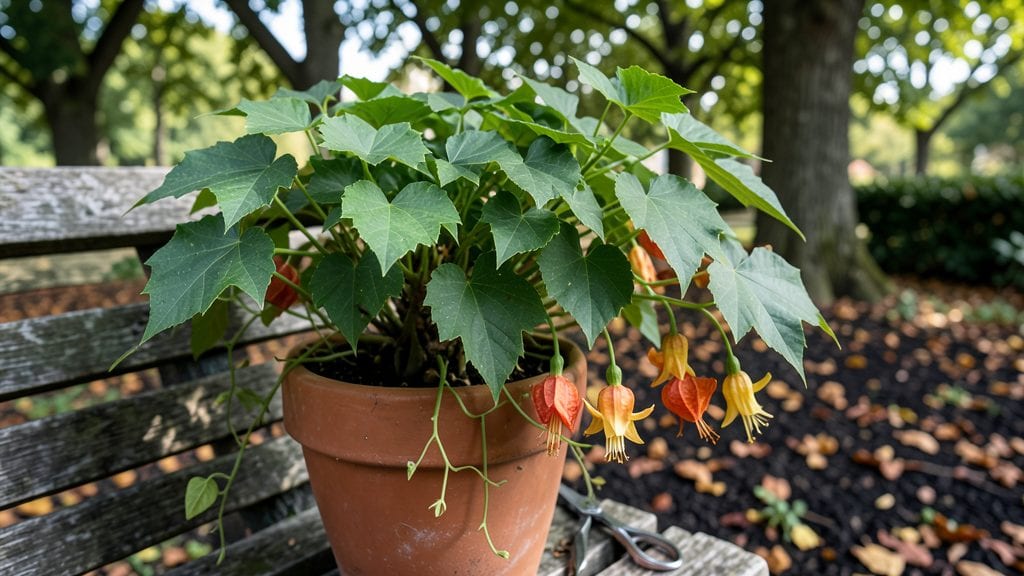
Pruning abutilon plants keeps them blooming like crazy all year—here’s how to do it without stressing the plant. 🌿 I’ve learned the hard way that cutting too late or too aggressively can turn your lush abutilon into a bare stick, so timing and technique matter more than you’d think.
The key is working with the plant’s natural growth cycles while shaping it to stay compact and flower-heavy.
You’ll need sharp pruning shears, a clean cutting surface, and about 15 minutes twice a year for maintenance. For deadheading spent blooms, grab a pair of scissors and snip just above the next set of leaves—this encourages new flowers to form within 4-6 weeks.
If your plant looks leggy, a more aggressive prune in early spring (before new growth starts) will force it to bush out thicker and fuller.
The payoff is dramatic: a well-pruned abutilon bursts with vibrant blooms from spring through fall, and even in winter with proper care. The leaves stay glossy, the branches fill out, and you avoid that sad, overgrown look that happens when pruning gets neglected.
Think of it as a spa day for your plant—less stress, more beauty.
Over-pruned? Don’t panic. If you’ve cut too much, focus on keeping the remaining branches healthy with regular water and fertilizer. New growth will emerge from the base within 3-4 weeks, and your abutilon will bounce back stronger than ever. The secret is patience—these plants are tougher than they look.
📚 In This Guide
- What you need
- Instructions
- Tips and common mistakes
- Wrapping up and next steps
What you need
- ● Pruning shears: Bypass shears (sharp, clean blades, 5–7 inches long) – 1 pair. Avoid dull tools; they crush stems instead of cutting cleanly.
- ● Hand pruners: Felco or equivalent (for thicker stems, 1–2 inches in diameter) – 1 pair.
- ● Disinfectant: 70% isopropyl alcohol or rubbing alcohol + paper towels – for sterilizing tools between cuts.
- ○ Garden gloves: Nitrile or cut-resistant – 1 pair (optional but recommended for thorns or sticky sap).
- ● Trash bag or bucket: For collecting clippings – 1–2 (depending on plant size).
- ● Horticultural sealant: Pruning wax (e.g., Tanglefoot Tree Wound Pruning Sealer) – to protect large cuts.
- ● Ladder or stool: If your abutilon is 6+ feet tall – ensures safe, stable access.
- ● Spray bottle with water: To mist leaves post-pruning (reduces stress).
- ● Notebook & pen: To jot down notes on pruning dates or growth patterns.
- ● Timing: Prune during active growth periods (spring/early summer) or after blooming. Avoid harsh winters unless in USDA Zones 9–11.
- ● Weather: Choose a cloudy day or prune in the early morning to minimize stress on the plant.
- ● Plant health: Wait until the plant is fully hydrated (no wilting). Skip pruning if it’s under stress (e.g., pests, disease).
Step-by-step guide to pruning abutilon plants
Here's how to keep your abutilon bushy and blooming without stressing the plant.
✂️ Step 1: Prune for Shape in Early Spring
Start your pruning in early spring, just as new growth begins. Use clean, sharp pruners to make cuts at a 45-degree angle about ¼ inch above a leaf node. This encourages fuller growth and prevents disease from entering the plant.
Look for branches that are growing inward or crossing each other—these compete for sunlight and air circulation. Remove one-third of the oldest growth first to promote fresh, vigorous shoots. You'll see new buds forming within 2-3 weeks along the remaining stems.
✂️ Step 2: Lightly Trim After Each Flowering Cycle
After your abutilon finishes blooming, give it a light pruning to encourage another round of flowers. Cut back spent flower stems to just above the nearest leaf or side branch. Avoid heavy pruning now—just a light trim keeps the plant healthy without shocking it.
Watch for leggy growth between blooms. If stems stretch too tall or thin, pinch off the top inch of new growth to redirect energy into bushier side branches. This simple step keeps your abutilon compact and flowering consistently.
✂️ Step 3: Prune for Airflow in Late Summer
In late summer, focus on improving airflow by thinning out crowded branches. Remove any weak, diseased, or dead stems at the base. For thicker branches, make cuts just above a leaf node to encourage branching from that point.
If your abutilon is getting too large, you can lightly shape it by trimming back the longest branches by one-third. This prevents the plant from becoming top-heavy and ensures it stays balanced. Avoid pruning too late in the season—stop by mid-September to allow new growth to harden off before winter.
✂️ Step 4: Minimal Winter Pruning for Health
In winter, when your abutilon is dormant, do a light cleanup to remove any dead or damaged branches. Avoid heavy pruning—just trim back any bare stems to a healthy leaf node. This keeps the plant tidy without removing too much growth potential for spring.
If your abutilon is in a protected indoor environment, you can lightly prune to maintain shape, but avoid heavy cuts. Focus on removing only the worst offenders—over-pruning in winter can stress the plant and delay spring blooms.
⏰ Step 5: Clean and Store Tools for Next Season
After pruning, sterilize your tools with rubbing alcohol to prevent the spread of disease. Store them in a dry place until next season. Keep a small notebook to track when you pruned and how the plant responded—this helps you adjust your approach year to year.
Watch your abutilon over the next few weeks. You'll see new growth, fuller branches, and more blooms as a result of your careful pruning. With consistent care, your abutilon will thrive and reward you with year-round color.
Tips & tricks for pruning abutilon plants
Pruning your abutilon might seem intimidating, but these key strategies will help you achieve a fuller, healthier plant with minimal stress.
The Timing Secret: Early spring is your best window for shaping your abutilon—this is when the plant is waking up from dormancy and ready to respond to pruning. I always aim to prune just as I see the first signs of new growth, typically in late February or early March. This timing gives your plant plenty of time to recover and produce new shoots before summer heat arrives. Don't wait until leaves start appearing in force, or you might miss the optimal window.
Pruning Technique That Changed Everything: When making cuts, always aim for a 45-degree angle about ¼ inch above a leaf node. This angle helps water run off the cut instead of pooling, which prevents rot. I learned this the hard way after seeing several cuts develop fungal issues—now I make it a point to check my angle before every cut. For thicker branches, use clean, sharp pruners to avoid tearing the bark, which can introduce disease.
Seasonal Strategy: Late summer pruning deserves special attention. This is when you should focus on thinning out crowded branches to improve airflow—a critical step for preventing fungal diseases. I typically remove about one-third of the longest branches during this time, making cuts just above leaf nodes. This not only keeps your plant balanced but also encourages new growth that will harden off before winter. Just remember to stop pruning by mid-September to give new growth time to mature before cold weather arrives.
Winter Care: During the dormant season, keep your pruning minimal. Focus on removing only dead or damaged branches, cutting back to healthy leaf nodes. I've found that over-pruning in winter can stress the plant and delay spring blooms. If your abutilon is indoors, you can do light maintenance pruning, but avoid heavy cuts—think of this as more of a tidying-up session than a major shaping.
Pro Tips for Pruning Abutilon Plants
- Pruning your abutilon might seem intimidating, but these key strategies will help you achieve a fuller, healthier plant with minimal stress.
- The Timing Secret: Early spring is your best window for shaping your abutilon—this is when the plant is waking up from dormancy and ready to respond to pruning.
- Pruning Technique That Changed Everything: When making cuts, always aim for a 45-degree angle about ¼ inch above a leaf node.
Frequently asked questions
Got questions about pruning your Abutilon plants? You’re not alone! Here are some of the most common queries—and their straightforward answers—to keep your "indoor maple" thriving and blooming beautifully.
When is the best time to prune my Abutilon?
Prune your Abutilon in early spring (just as new growth begins) or after a heavy blooming cycle in late summer. Avoid pruning in fall or winter, as the plant is dormant and more vulnerable to stress. Light trimming to remove dead flowers can happen year-round, though!
How much can I cut back my Abutilon?
You can prune up to one-third of the plant’s height in a single session, but avoid drastic cuts. For bushier growth, trim back 1/4 to 1/3 of the stem length—just above a leaf node. Over-pruning can stress the plant, so take it slow if yours is young or leggy.
Will pruning my Abutilon reduce its flowers?
Not at all! Pruning encourages more blooms by promoting new growth and air circulation. Focus on removing dead or overcrowded branches and cutting back leggy stems. Just avoid "shearing" (trimming uniformly), as this can lead to a sparse, woody look.
My Abutilon looks sad after pruning—what’s wrong?
If your plant drops leaves or looks wilted after pruning, it’s likely due to shock from over-pruning or poor timing. Give it 2–3 weeks to recover in bright, indirect light and keep the soil lightly moist. If yellowing persists, check for pests (like spider mites) or root rot.
Can I propagate my Abutilon cuttings from pruning?
Pruning is the perfect chance to propagate
your Abutilon. Dip 4–6 inch cuttings in rooting hormone (optional) and place them in moist potting mix or water. Keep them in bright, indirect light and maintain humidity. Roots should form in 4–6 weeks!
Still unsure? Drop your question in the comments—we’re happy to help your Abutilon stay happy and lush!
Wrapping up and next steps
Pruning your abutilon plants isn’t just about keeping them tidy—it’s your secret weapon for year-round blooms and a lush, healthy shape! 🌸 By mastering the art of selective trimming, you’ll encourage vibrant growth, prevent legginess, and even boost flower production with minimal stress to your plant.
Whether you’re a seasoned green thumb or a curious beginner, the key is confidence and consistency—your abutilon will thank you with bursts of color!
Ready to level up your pruning game? Start by exploring seasonal care tips or double-checking your technique with our quick guide. Grab those shears, and let’s keep those blooms coming!