
Pruning
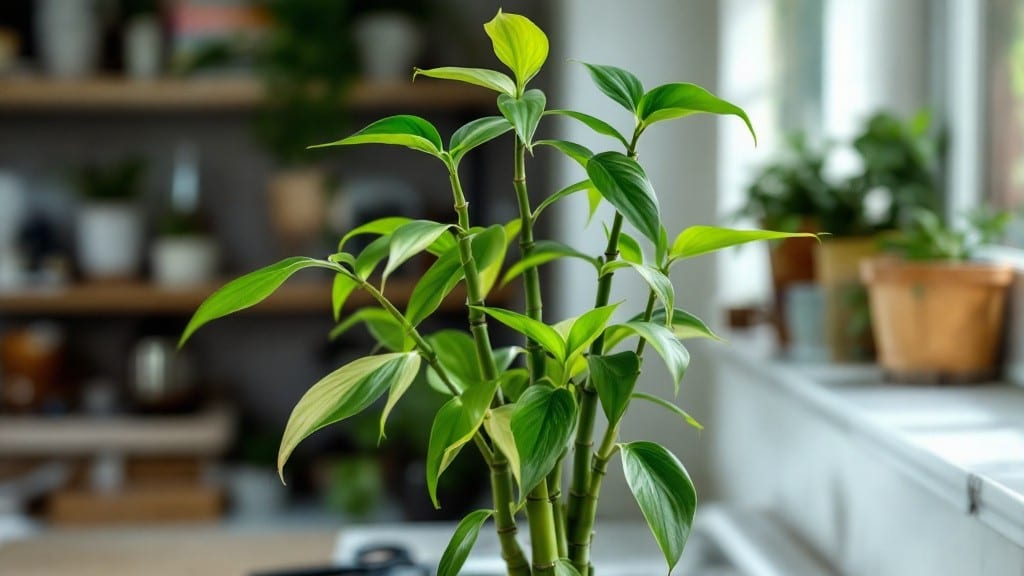
Pruning bamboo plants keeps them lush and contained—without it, they’ll take over your yard faster than you can say "invasive." 🌱 I learned that the hard way when my running bamboo escaped its pot and started creeping toward the neighbor’s fence.
The key isn’t just cutting back; it’s timing, technique, and knowing whether you’ve got clumping or running types.
Running bamboo spreads aggressively, while clumping stays put—so your approach changes completely. You’ll need sharp pruners, gloves, and maybe a saw for thicker stalks. Late winter or early spring is prime time, but running types need extra attention in fall too.
Most people overlook the roots, but that’s where real control happens.
After pruning, you’ll see fresh, vibrant shoots in weeks, and the plant will focus energy on new growth instead of spreading. Running bamboo? Dig up the rhizomes to contain it. Clumping? Just trim the culms. Either way, your yard stays tidy—and your bamboo stays where you want it.
This works for ornamental varieties too—think golden bamboo or black bamboo. Just adjust the timing to avoid damaging new growth. Ready to tame your bamboo? Let’s get started.
📚 In This Guide
- What you need
- Instructions
- Tips and common mistakes
- Wrapping up and next steps
What you need
- ● Pruning shears or loppers: Choose bypass pruners (for clean cuts) or anvil pruners (for thicker stems). Opt for a 7–10-inch blade for medium-sized bamboo.
- ● Pruning saw: A curved-tooth pruning saw (8–12 inches) for cutting through thick bamboo stalks (1+ inch in diameter).
- ● Gloves: Heavy-duty gardening gloves (leather or reinforced) to protect against sharp edges and splinters.
- ● Disinfectant (70% isopropyl alcohol or bleach solution): Clean tools between cuts to prevent disease spread.
- ● Rake or hoe: For clearing debris and loosening soil around the base after pruning.
- ● Sharpie or marker: To label cuttings for propagation (if desired).
- ● Safety goggles: Protect your eyes from debris, especially when sawing thick stalks.
- ● Knee pads: For comfort if you’re working close to the ground.
- ● Root barrier material: If your bamboo is running wild, have corrugated plastic or landscape fabric on hand to contain future growth.
- ● Compost or mulch: To replenish nutrients after pruning.
- ● Wheelbarrow or bucket: For hauling away large clippings.
Step-by-Step guide to pruning bamboo plants for controlled growth
Mastering bamboo pruning keeps it lush while preventing it from taking over your yard.
🪴 Step 1: Identify the Right Tools and Season
Grab a pair of sharp, clean pruning shears or loppers—dull blades tear stems and invite disease. I always disinfect my tools with rubbing alcohol before and after pruning to prevent spreading bacteria. The best time to prune is in late winter or early spring, just as new growth begins. This timing ensures you remove old growth while encouraging fresh, vigorous shoots.
If you're dealing with running bamboo (the invasive type), you'll also need a spade for digging out rhizomes. For clumping bamboo, pruning is simpler—just focus on shaping and thinning. Watch for new shoots emerging from the ground in early spring; these are your signal that it's time to act.
✂️ Step 2: Remove Dead or Weak Canes
Start by inspecting your bamboo for yellowed, dried-out, or hollow canes—these are dead and should be cut at the base. Use your pruners to make a clean cut just above a node (the joint where leaves or branches grow). Avoid leaving stubs; a clean cut prevents rot and keeps the plant looking tidy. I like to bundle dead canes together and remove them from the area immediately to reduce disease risk.
Next, look for thin, weak canes that aren’t contributing to the plant’s structure. These often grow in the center of clumps and compete for nutrients. Cut these back to the ground, leaving only the 3-5 strongest canes per clump. This encourages thicker, healthier growth and improves airflow, which reduces fungal issues.
🌿 Step 3: Shape and Thin for Balance
Step back and assess the bamboo’s shape—aim for a natural, open structure that allows sunlight to reach the center. Start by thinning out overcrowded canes, cutting back any that are growing too close to others. Focus on removing canes from the base and center first, as these are often the oldest and weakest. Make your cuts at a 45-degree angle just above a node to promote faster healing.
For height control, trim the tallest canes back by one-third to encourage bushier growth. If your bamboo is leaning or growing in an unwanted direction, guide it by selectively pruning the longer side. You’ll notice new shoots emerging from the sides—this is the plant’s way of balancing itself. Avoid cutting more than one-third of the foliage at once, or you’ll stress the plant.
💧 Step 4: Post-Pruning Care for Recovery
After pruning, water the bamboo deeply to help it recover. The roots need moisture to support new growth, especially if you’ve removed a significant portion of the canes. I like to add a layer of mulch around the base (but not touching the stems) to retain moisture and suppress weeds. Avoid heavy fertilizing right after pruning—wait until new shoots appear before feeding.
Keep an eye on the plant over the next 2-3 weeks for signs of stress, like yellowing leaves or wilting. If you see this, reduce watering slightly and ensure the bamboo is getting at least 4-6 hours of sunlight daily. Running bamboo may send out new shoots from the rhizomes, so monitor the perimeter and dig up any unwanted growth before it spreads.
⏰ Step 5: Maintain Year-Round Vigilance
Clumping bamboo only needs annual pruning, but running bamboo requires quarterly checks to control its spread. In summer, trim any canes that are growing too aggressively or encroaching on walkways. In fall, remove any dead or diseased canes before winter sets in. I also like to mark the bamboo’s perimeter with a metal edging barrier to contain rhizomes—this saves time digging later.
Real talk: Bamboo is resilient, but over-pruning can weaken it. If you’ve cut back too much, you’ll see stunted growth or sparse foliage. Next time, hold off on removing more than 20% of the canes in a single session. With consistent care, your bamboo will stay lush, contained, and under your control.
Tips & tricks for pruning bamboo plants
Mastering bamboo pruning takes more than just cutting back—it's about timing, technique, and understanding your plant's natural rhythm. Here's what I've learned after years of working with both clumping and running varieties.
Seasonal Timing is Everything: The instructions mention late winter or early spring as ideal, but there's a reason for this. In Step 1, you're targeting that sweet spot just before new shoots emerge. If you prune too early, you'll remove last year's growth before it's had a chance to contribute nutrients to the roots. If you wait too late, you'll be cutting back fresh growth that could've been supporting your plant. For running bamboo, I also recommend a quick check in summer to nip any aggressive spread in the bud.
Cutting Technique Matters More Than You Think: In Step 2 and Step 3, the instructions emphasize clean cuts just above nodes. Here's the thing: that 45-degree angle isn't just for looks. It creates a larger surface area for water to evaporate, which actually helps prevent rot. I've seen too many people leave stubs that collect moisture and become perfect breeding grounds for fungal diseases. Also, when thinning in Step 3, focus on removing canes from the center first—they're often the oldest and weakest, competing with newer growth for resources.
Post-Pruning Recovery is Critical: The 2-3 week monitoring period in Step 4 is your chance to see if you've done the job right. If you notice yellowing leaves within that window, it's usually a sign of over-pruning. Remember, you should never remove more than one-third of the foliage at once. For running bamboo, I add an extra tip: mark any new shoots that appear within a few feet of your perimeter with small flags. This helps you spot and remove them before they become established.
Equipment Upgrade for Running Bamboo: While the instructions mention a spade for rhizome control, I've found that a sharp edging tool works even better for creating clean barriers. In Step 5, when you're marking your perimeter, use this tool to cut through any rhizomes that might be creeping outward. It's more precise than a spade and gives you better control over where your bamboo's roots can spread.
Pro Tips for Pruning Bamboo Plant
- Mastering bamboo pruning takes more than just cutting back—it's about timing, technique, and understanding your plant's natural rhythm.
- Seasonal Timing is Everything: The instructions mention late winter or early spring as ideal, but there's a reason for this.
- Cutting Technique Matters More Than You Think: In Step 2 and Step 3, the instructions emphasize clean cuts just above nodes.
Frequently asked questions
Got questions about pruning bamboo? You’re not alone—this fast-growing plant can be tricky! Here are answers to the most common concerns to help you master the art of bamboo pruning with confidence.
When is the best time to prune bamboo?
Prune running bamboo in late winter or early spring before new growth begins. For clumping bamboo, prune after flowering (if applicable) or in early spring. Avoid heavy pruning in fall, as it may stress the plant before winter. Pro tip: Light trimming can happen year-round to shape growth, but major cuts wait for dormant seasons!
How do I prune bamboo without killing it?
Never remove more than one-third of the plant’s foliage at once—bamboo recovers best with gradual adjustments. Use clean, sharp tools to avoid tearing. Focus on dead, diseased, or crossing canes first. For aggressive runners, prioritize underground rhizome barriers over aggressive above-ground cuts. Remember: Bamboo bounces back faster with patience!
Can I prune bamboo in summer?
Summer pruning is possible, but it’s not ideal for heavy cuts. Light shaping (like removing a few fronds or small shoots) is fine, but avoid major pruning during heatwaves. Summer trims can stress the plant, leading to slower recovery. If you must prune, do it early morning or late afternoon to reduce water loss.
What if my bamboo looks overgrown after pruning?
Don’t panic! Bamboo often looks sparse immediately after pruning, but it rebounds quickly with proper care. Water deeply post-prune and fertilize lightly (use a balanced 10-10-10 or bamboo-specific feed). New shoots will emerge within weeks. If growth stalls, check for root-bound roots or pests—sometimes the issue isn’t the pruning itself!
Are there alternatives to pruning bamboo?
Yes! For running bamboo, install rhizome barriers (like HDPE sheets) to contain spread without pruning. Clumping bamboo rarely needs barriers but benefits from regular deadhead removal. Mulching (with wood chips) suppresses runners naturally. If pruning feels overwhelming, start with selective cane removal to slow growth incrementally.
Wrapping up and next steps
Pruning your bamboo isn’t just about keeping it in check—it’s the secret to stronger growth, healthier plants, and a lush, manageable landscape. 🌿 Whether you’re tackling clumping or running types, the right techniques will save you time and frustration while boosting your bamboo’s vitality.
Now that you’re armed with the know-how, grab those pruners and get to work!
Ready to take it further? Plan your next pruning session—mark your calendar for seasonal checks or set reminders to keep your bamboo thriving year-round. Every snip is a step toward a greener, happier garden!