
Pruning
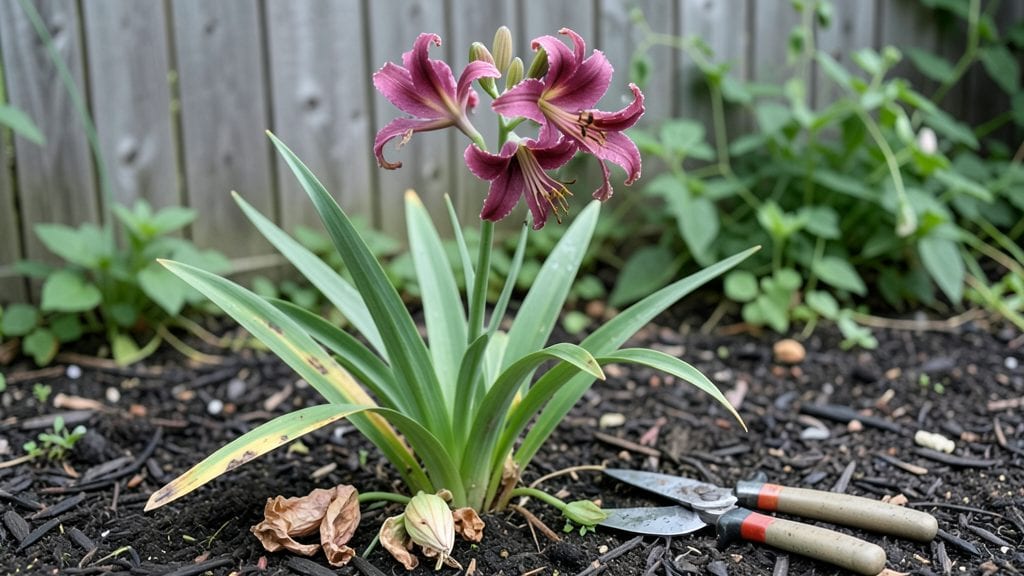
Pruning lily plants keeps them healthy and blooming like crazy year after year—though I nearly killed mine by cutting too late. 🌱 The right timing and technique make all the difference between a lush, flower-filled summer and sad, leggy stems.
I learned the hard way that lilies need attention after blooming and before winter, but the payoff is worth it.
You only need a few basic tools: sharp pruners or shears (clean blades prevent disease), gloves (lily pollen stains like crazy), and a bucket for clippings. The real secret is patience—don’t rush the process.
Cut back stems to about 6 inches above ground after blooms fade, and remove any yellow or damaged leaves. This encourages fresh growth and keeps pests at bay.
When done right, your lilies will reward you with thicker stems, more buds, and stronger roots next season. The first year I pruned properly, my plants produced twice as many blooms—and they’ve only gotten better.
Just avoid the two biggest mistakes: cutting too early (stops blooming) or too late (invites rot).
This method works for both Asiatic and Oriental lilies, though Oriental types need slightly more care. Whether you’re a beginner or a seasoned gardener, mastering this simple routine will transform your garden’s summer display. Ready to give it a try?
📚 In This Guide
- What you need
- Instructions
- Tips and common mistakes
- Wrapping up and next steps
What you need
- ● Pruning shears or bypass pruners: Sharp, clean, and sterilized (1 pair). Choose bypass-style for clean cuts—avoid anvil pruners, which can crush stems.
- ● Garden gloves: Heavy-duty, cut-resistant (1 pair) to protect your hands from thorns and dirt.
- ● Disinfectant (70% isopropyl alcohol or bleach solution): To sterilize tools between cuts (small spray bottle or cloth).
- ○ Garden twine or plant ties: (Optional, 1 roll) for securing tall stems if needed.
- ● Compost bin or trash bag: For disposing of pruned foliage (1-2 bags/bin).
- ● Hand pruners: For smaller stems or tight spaces (1 pair).
- ● Loppers: For thicker stems (if your lilies are mature; 1 pair).
- ● Garden hose or water spray bottle: To rinse tools and clean cuts (if needed).
- ● Fertilizer (balanced 10-10-10 or bulb-specific): For post-pruning nourishment (1 bag or granular form).
- ● Mulch: Organic (e.g., straw or shredded leaves) to protect the base after pruning (1-2 bags).
- ● Choose the right time: Prune lilies after they’ve finished blooming but before new growth appears (late summer to early fall for most varieties).
- ● Check the weather forecast: Aim for a dry, overcast day to minimize stress on the plant.
- ● Assess your lilies: Look for dead, diseased, or weak stems—these are your top priorities for removal.
Step-by-Step guide to pruning lily plants for healthy blooms
Here’s how to keep your lilies thriving year after year with simple, seasonal cuts.
✂️ Step 1: Prune Faded Blooms in Late Summer
After your lilies finish blooming—usually in late summer—cut back the spent flower stalks at the base with clean, sharp pruners. This prevents the plant from wasting energy on seed production. I always wait until the blooms have fully faded and the pods start to dry, but before they turn brown. You’ll know it’s time when the flower stalks droop naturally.
Make your cuts about ½ inch above the nearest leaf or bud to avoid damaging healthy growth. This encourages the plant to redirect its energy into next year’s blooms instead of seed development. Avoid cutting into the green foliage—this is where the plant stores nutrients for winter.
🌱 Step 2: Remove Yellow or Diseased Foliage in Fall
As temperatures drop and leaves begin to yellow or show signs of disease, it’s time for a second prune. Use your pruners to trim off any leaves that are brown, mushy, or spotted with black or white spots. These are common signs of fungal infections like botrytis or powdery mildew, which can overwinter in plant debris.
Cut back the foliage to about 6-8 inches tall, leaving only the healthiest, greenest leaves. This reduces hiding spots for pests and improves airflow around the bulb. I like to do this in early fall, just before the first hard frost. Never cut all the way to the ground—leaving some foliage helps the bulb store energy for next spring.
✂️ Step 3: Lightly Trim Dead Growth in Early Spring
When new shoots emerge in early spring, give your lilies a final trim to clear away any remaining dead stalks or debris. Use your pruners to snip off any brown, dried foliage from last season. This keeps the area tidy and makes it easier to spot new growth.
Be gentle—you’re not trying to shape the plant, just remove what’s clearly dead. The new shoots will tell you where to focus. If you see any mold or slimy residue on the stems, clean it up with a 10% bleach solution (1 part bleach to 9 parts water) to prevent disease from spreading to fresh growth.
🌿 Step 4: Maintain Healthy Foliage Through Summer
Once your lilies are actively growing in summer, avoid pruning unless you notice leggy or overly crowded stems. If a stem grows too tall or flops over, you can trim it back by ⅓ to encourage bushier growth. Just make sure to leave at least one set of healthy leaves on each stem to keep the bulb nourished.
Water deeply after pruning to help the plant recover. You’ll see stronger stems and more vibrant blooms next season if you keep the foliage healthy. Avoid cutting back lilies too early in summer—wait until after they’ve finished blooming to prevent stressing the plant.
⏰ Step 5: Time Your Pruning for Optimal Health
Timing is everything with lilies. Prune after blooming in late summer, before the first frost in fall, and just before new growth in early spring. This three-step approach keeps your plants strong, reduces disease risk, and ensures you’ll get those stunning blooms year after year.
Here’s the thing—if you miss a pruning window, don’t stress. Lilies are forgiving, but consistent trimming keeps them looking their best. I’ve had seasons where I forgot to prune in fall, and the lilies still bloomed beautifully the next year. Just be mindful of removing dead or diseased material whenever you notice it.
Tips & tricks for pruning lily plants
Keeping your lilies healthy starts with understanding the right way to trim them—here’s what I’ve learned after years of growing these stunning perennials.
Tool Prep is Key: Always use clean, sharp pruners to make precise cuts. Dull blades crush stems and create entry points for disease. After each cut, wipe your pruners with rubbing alcohol to prevent spreading any potential pathogens between plants. I keep a small bottle of 70% isopropyl alcohol in my gardening toolkit just for this purpose.
Timing Matters for Late Summer Cuts: In Step 1, when pruning faded blooms, wait until the flower pods have dried but before they turn completely brown. This timing ensures you’re not cutting too early (which stresses the plant) or too late (when seeds may have already formed). I’ve found that cutting at this precise stage helps redirect energy more effectively to next year’s blooms.
Fall Pruning Height Strategy: When you’re cutting back foliage in early fall (Step 2), resist the urge to trim all the way to the ground. Leaving the plant at 6-8 inches tall lets the bulb continue storing energy for spring. I’ve seen lilies that were cut too short in fall produce fewer blooms the following season because the bulbs weren’t properly nourished.
Spring Cleanup Technique: For Step 3 in early spring, focus on removing only what’s clearly dead. The new shoots will guide you—anything still green should stay attached. I use this as my cue to also check for any lingering disease or mold from last season. A quick wipe-down with that 10% bleach solution (as mentioned in Step 3) can prevent issues before they start.
Pro Tips for Pruning Lily Plants
- Keeping your lilies healthy starts with understanding the right way to trim them—here’s what I’ve learned after years of growing these stunning perennials.
- Tool Prep is Key: Always use clean, sharp pruners to make precise cuts.
- Timing Matters for Late Summer Cuts: In Step 1, when pruning faded blooms, wait until the flower pods have dried but before they turn completely brown.
Frequently asked questions
Got questions about pruning lilies? You’re not alone! Here are some of the most common concerns—plus clear, actionable answers to keep your lilies thriving.
When is the best time to prune lilies?
Prune lilies after they finish blooming (late summer to early fall) to redirect energy to next year’s growth. Avoid cutting back foliage too early—it needs 6–8 weeks to photosynthesize and store nutrients in the bulbs. For deadheading (removing spent blooms), do it as soon as flowers fade to encourage reblooming varieties.
How much of the lily plant should I cut back?
Leave about one-third to half of the foliage standing until it yellows naturally (usually late fall). Cut back the remaining stems to 2–3 inches above the soil. Over-pruning starves the bulb of energy, while leaving too much can invite pests or disease. Think of it like a haircut—just enough to tidy up, not a buzz cut!
What if my lilies look sad after pruning?
If leaves yellow immediately after pruning, you may have cut too aggressively. For a quick fix, water deeply and fertilize with a balanced 10-10-10 formula to support recovery. If the plant wilts but doesn’t revive after a week, check for root rot or pests (like lily beetles) and adjust care accordingly.
Can I prune lilies in the spring instead?
Spring pruning is not recommended unless you’re removing only dead or diseased foliage. Lilies rely on spring growth to fuel blooms, so avoid heavy cuts. If you must prune early, limit it to 10–20% of the plant and focus on cleaning up winter damage—never more than that!
Do I need to fertilize after pruning?
Yes! After pruning, apply a low-nitrogen fertilizer (like 5-10-10) to replenish nutrients. Lilies are heavy feeders, and pruning depletes their reserves. Water thoroughly after fertilizing to help roots absorb nutrients. Think of it like a post-workout smoothie for your plants—recovery fuel is key!
Wrapping up and next steps
Pruning your lily plants is a simple yet powerful way to keep them thriving and blooming beautifully year after year! 🌸 By following the seasonal guidelines—removing spent blooms, trimming foliage, and cleaning up after dormancy—you’ll encourage stronger growth, healthier roots, and even more stunning flowers next season.
With the right tools and a little patience, you’re well on your way to becoming a lily-pruning pro.
Ready to take your gardening skills to the next level? Start by scheduling your next pruning session—whether it’s removing faded blooms in summer or prepping for winter dormancy. Your lilies will thank you with vibrant blooms and lush foliage!