
Pruning
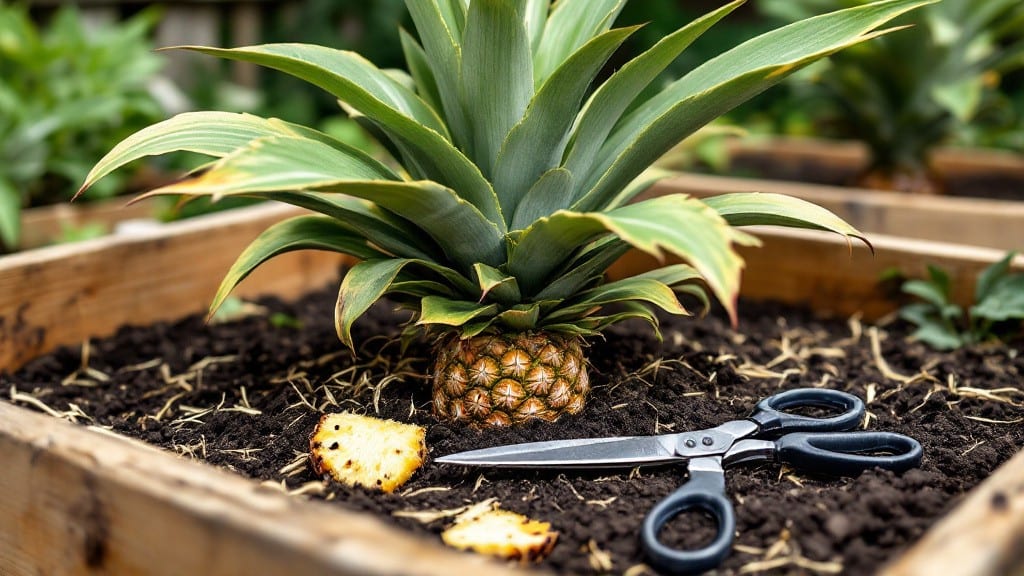
Pruning pineapple plants turns scraggly growth into a year-round fruit factory—and it’s simpler than you’d think. 🌱 I’ve trimmed my own plants for five seasons, and the difference between a neglected spiky mess and a bushy, fruiting powerhouse comes down to just a few strategic cuts.
The key isn’t perfection; it’s timing and knowing which leaves to keep (and which to toss).
You’ll need just three basic tools: sharp pruning shears, rubbing alcohol for sterilizing, and a clean bucket for collecting cuttings. The process takes about 15 minutes per plant, and you’ll do it twice a year—once after fruiting and once in early spring.
Indoor plants need slightly more frequent checks since their light is less consistent, but the same rules apply. The goal? Keep the plant focused on producing fruit, not just leaves.
After pruning, you’ll notice new growth within 2-3 weeks—thicker stems, brighter green leaves, and those telltale flower spikes forming at the center. The plant redirects energy from old leaves into new shoots and fruit, so you’ll end up with bigger, sweeter pineapples and fewer empty stalks.
Plus, those cuttings you collect? They’ll root and grow into new plants if you give them a chance.
Works for both outdoor tropical climates and indoor growers with bright windows—just adjust watering after trimming. The biggest mistake? Over-trimming or cutting into the plant’s heart. We’ll cover exactly what to avoid so your pineapple keeps thriving, not struggling. Let’s get those shears ready!
📚 In This Guide
- What you need
- Instructions
- Tips and common mistakes
- Wrapping up and next steps
What you need
- ● Sharp pruning shears or scissors – Sterilized (70% isopropyl alcohol works) to prevent disease. Size: 4–6 inches (10–15 cm) for precision.
- ● Clean, sharp knife – A 3-inch (7.5 cm) utility knife or pruning knife for tricky cuts (e.g., near the crown).
- ○ Disinfectant (optional but recommended) – Rubbing alcohol (70%+) or hydrogen peroxide (3%) to wipe tools between cuts.
- ● Gloves – Nitrile or latex gloves to protect hands from sap and sharp edges.
- ● Compost bin or bag – For removing pruned leaves (avoid leaving them near the plant to prevent pests).
- ● Healthy pineapple plant – No signs of disease (e.g., brown spots, mold, or wilting). If in doubt, wait until recovery.
- ● Mature leaves – Target leaves that are yellowing, brown, or dried out (avoid cutting green, healthy leaves!).
- ● Good weather – Prune on a dry, sunny day to allow quick healing. Avoid pruning after rain or in extreme heat.
- ● Patience – No rush! Pruning should be done gradually (1–2 leaves at a time) to avoid shocking the plant.
Step-by-step guide for pruning pineapple plants
Here's the straightforward method I use to keep my pineapple plants productive and healthy year-round.
✂️ Step 1: Identify and Remove Dead or Yellowing Leaves
Start by examining your pineapple plant for any leaves that have turned completely brown or yellowed. These are dead or dying and will only drain energy from the plant. Use clean, sharp pruning shears or scissors to cut these leaves at the base, about ½ inch above the soil line. This ensures you don’t leave stubs that can rot.
I always prune in the morning when the plant is fully hydrated. You’ll notice the plant’s center looks cleaner and more open after removing these leaves, which allows better airflow and sunlight penetration to the core.
✂️ Step 2: Trim Overly Long or Leggy Leaves
Next, focus on leaves that are significantly longer than the others or growing in a way that makes the plant look unbalanced. Pineapple plants naturally grow in a rosette shape, so any leaves that extend too far or grow at odd angles should be trimmed back. Cut these leaves back to about ⅔ of their length, making sure to leave a healthy portion of the leaf intact.
This step encourages the plant to redirect its energy toward producing new, stronger leaves and, eventually, fruit. You’ll see the plant’s growth become more compact and uniform within a few weeks of trimming.
✂️ Step 3: Prune Off Any Pups (Baby Plants) at the Base
Pineapple plants often produce smaller offshoots called "pups" at their base. While these can be propagated to grow new plants, they can also drain nutrients from the mother plant. Use your pruning shears to carefully cut these pups off at the base, ensuring you leave a small portion of the stem attached. This makes it easier to plant them elsewhere if you choose to propagate.
I like to remove pups when they’re about ⅓ the size of the mother plant. This timing ensures they’re large enough to survive on their own but not so big that they’ve already taken too much energy from the main plant.
💧 Step 4: Sterilize Tools and Monitor for Signs of Stress
After pruning, wipe down your shears or scissors with rubbing alcohol to prevent the spread of bacteria or fungi. This simple step keeps your tools ready for the next use and helps maintain the overall health of your pineapple plant.
Watch your plant closely for the next 2-3 weeks. You should see new growth emerging from the center of the rosette, which is a sign that the pruning was successful. If you notice any wilting or yellowing, it could indicate stress—just ensure the plant is getting enough water and sunlight, and it should bounce back quickly.
☀️ Step 5: Adjust Light and Watering After Pruning
Pineapple plants thrive in bright, indirect light, so if your plant was previously in lower light conditions, consider moving it to a sunnier spot after pruning. This helps the plant recover faster and encourages stronger regrowth. If you’re keeping it indoors, a south-facing window is ideal.
Water your pineapple plant lightly after pruning, keeping the soil slightly moist but not soggy. Overwatering can lead to root rot, especially after you’ve trimmed away some of the leaves. You’ll know it’s time to water again when the top 1-2 inches of soil feel dry to the touch.
Tips & tricks for pruning pineapple plants
A few well-timed techniques can transform your pruning routine from basic maintenance to a strategic boost for fruit production.
Timing is Everything: Morning is the absolute best time to prune—this gives your pineapple plant the entire day to recover and photosynthesize before nightfall. The plant's natural turgor pressure is highest in the morning, making it easier to handle and reducing stress. I've found that plants pruned in the afternoon often show more signs of stress during the recovery period.
Tool Selection Matters: While regular scissors will work in a pinch, invest in a good pair of bypass pruning shears for cleaner cuts. The sharp blades create less damage to the plant tissue and reduce the risk of disease entry points. Always sterilize your tools with rubbing alcohol between cuts—this simple step prevents cross-contamination that can lead to fungal infections in your pineapple's leaves.
Visual Pruning Cues: When trimming leaves back to ⅔ their length in Step 2, look for the point where the leaf's natural curve begins. This is typically where the leaf transitions from rigid to more flexible. Cutting at this point maintains the plant's natural rosette shape while allowing new growth to emerge from the center. The goal is to create a balanced, symmetrical appearance that mirrors the plant's natural growth pattern.
Recovery Monitoring: During the critical 2-3 week recovery period after pruning, pay special attention to the plant's center. Healthy new growth should emerge from the center of the rosette within 7-10 days. If you notice brown edges on the remaining leaves, this is normal and indicates the plant is actively redirecting energy. However, if entire leaves start yellowing or wilting, it's a sign of over-pruning—reduce watering and move to brighter light immediately.
Pro Tips for Pruning Pineapple Plants
- A few well-timed techniques can transform your pruning routine from basic maintenance to a strategic boost for fruit production.
- Timing is Everything: Morning is the absolute best time to prune—this gives your pineapple plant the entire day to recover and photosynthesize before nightfall.
- Tool Selection Matters: While regular scissors will work in a pinch, invest in a good pair of bypass pruning shears for cleaner cuts.
Frequently asked questions
Got questions about pruning pineapple plants? You’re not alone—this tropical task can feel tricky at first! Below, we tackle the most common concerns to help you trim with confidence and keep your pineapple plants thriving.
When is the best time to prune pineapple plants?
Prune your pineapple plant after it bears fruit—typically 3–6 months post-harvest. Avoid pruning during flowering or fruiting, as this stresses the plant. For container-grown pineapples, light trims can happen year-round to encourage new growth, but heavy pruning waits for the dormant season (fall/winter in most climates).
Do I need special tools to prune pineapple plants?
Nope! Basic tools like clean, sharp pruning shears or scissors work perfectly. Sterilize them with rubbing alcohol to prevent disease. For larger plants, a serrated knife or even a clean hacksaw (for stubborn stems) can help. Just avoid dull tools—they crush stems and invite rot.
What should I do with the cut-off leaves?
Don’t toss them! Pineapple leaves are highly regenerative. Propagate them by placing the healthy, leafy base in water or soil to grow a new plant. You can also compost the fibrous leaves (avoid the tough, woody parts). Bonus: The crown (top) of the pineapple can also root—just let it dry for a day first!
My pineapple plant looks sad after pruning. Did I mess up?
Not necessarily! Light wilting or yellowing is normal as the plant adjusts. If you see mushy stems, black spots, or foul smells, you’ve over-pruned or introduced disease. Trim back to healthy green tissue, improve drainage, and avoid watering until new growth appears. Over time, your plant should bounce back—patience is key!
Can I prune pineapple plants in containers differently than in-ground ones?
Yes! Container pineapples benefit from regular light trims to control size and encourage airflow. Remove only the outermost dead or yellowing leaves (about 1/3 of the plant max). In-ground plants can handle heavier pruning since they have more resources. Always ensure containers have drainage holes—root rot is a common pitfall!
Wrapping up and next steps
Pruning your pineapple plants is a simple yet powerful way to boost fruit production and keep your plants thriving year-round! 🌱 By removing dead leaves, suckers, and overgrowth, you encourage healthier growth and bigger, sweeter harvests.
With the right tools and techniques, you’re well on your way to a bountiful pineapple garden.
Ready to take the next step? Start with just one plant—try pruning this weekend and watch your progress! For even more tips, explore seasonal care guides or join a gardening community to share your success. Happy pruning! 🍍✨