Pruning
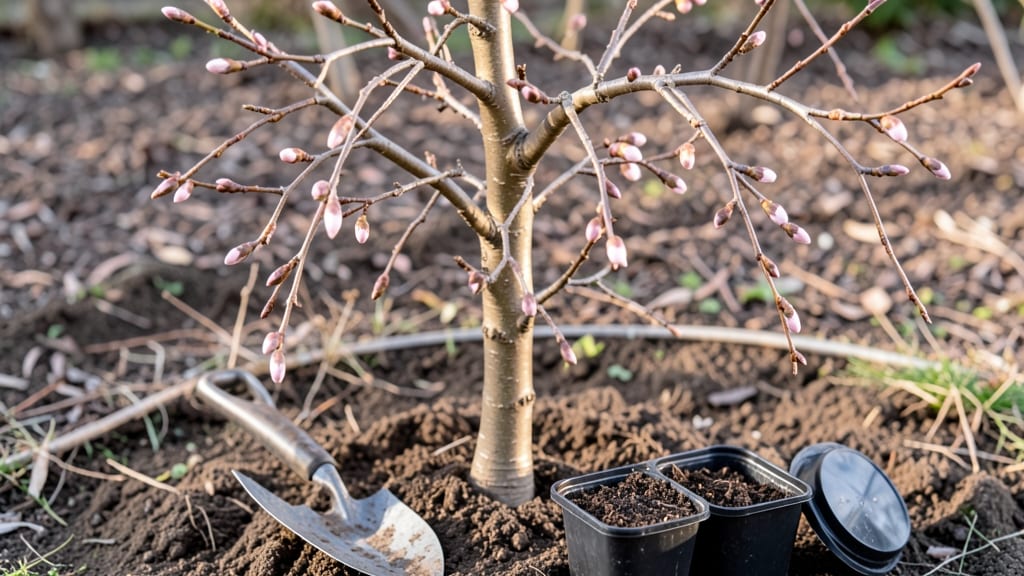
Planting a sakura tree means turning your yard into a seasonal masterpiece with delicate pink blossoms that last for weeks. 🌸 I planted mine last spring, and now it’s the centerpiece of my garden—low-maintenance but impossibly striking.
The key is choosing the right variety for your climate and giving it the perfect spot from day one.
You’ll need a young tree from a reputable nursery, a sunny location with well-draining soil, and a few basic tools: gloves, a shovel, and mulch. Sakura trees thrive in zones 5-8, so check your hardiness zone before picking a variety.
The planting hole should be twice as wide as the root ball but no deeper.
After planting, water deeply to settle the soil, then mulch around the base to keep roots cool. In the first year, water weekly during dry spells, but once established, these trees are surprisingly drought-tolerant. By spring, you’ll have a canopy of blossoms that outshine anything you’ve ever grown.
For long-term health, prune lightly in late winter to shape the tree and remove dead branches. Sakura trees reward patience—some varieties even produce edible cherries! With the right care, yours could be the talk of the neighborhood for decades.
📚 In This Guide
- What you need
- Instructions
- Tips and common mistakes
- Wrapping up and next steps
What you need
- ● Sakura tree sapling: Choose a Prunus serrulata (Japanese cherry) or Prunus avium (autumn-blooming cherry) from a nursery. Size: 1–3 gallons (small) or 7–15 gallons (larger, established trees).
- ● Shovel or digging spade: A 10–12-inch-wide spade for planting holes.
- ● Garden gloves: Heavy-duty, water-resistant for comfort.
- ● Compost or well-aged manure: 5–10 lbs to enrich the soil.
- ● Mulch (wood chips or straw): 2–3 inches thick (cover a 3-foot radius around the base).
- ● Watering can or hose with a gentle spray nozzle: For deep watering (1–2 gallons per watering).
- ○ Tree stake (optional but recommended): 1–2 stakes (if planting in windy areas).
- ● Pruning shears: Bypass-style (for shaping or removing dead branches post-planting).
- ● Soil test kit: To check pH (ideal: 5.0–7.0 for sakura trees).
- ● Slow-release fertilizer: Balanced 10-10-10 (apply sparingly in early spring).
- ● Tree guard or wire mesh: To protect young saplings from deer or rabbits.
- ● Organic fungicide: Copper-based (prevents fungal diseases in damp climates).
- ● Wheelbarrow: For hauling soil, mulch, or compost.
Step-by-Step instructions for planting a sakura tree
Here’s how to plant your sakura tree for stunning blooms and easy care—no green thumb required.
🌱 Step 1: Choose the Perfect Planting Spot
Sakura trees thrive in full sun, so pick an open area with at least 6 hours of direct sunlight daily. Avoid spots where other trees or buildings cast long shadows. The ground should be well-draining—sakura roots hate soggy soil, so raised beds or slopes work well if your yard floods easily.
Test the soil by digging a 12-inch hole—if water pools after 30 minutes, amend the soil with 2-3 inches of compost or sand to improve drainage. I always plant mine near a patio or walkway so I can enjoy the blossoms up close without tripping over roots.
🪴 Step 2: Dig the Hole and Prepare the Root Ball
Dig a hole twice as wide as the root ball but only as deep—sakura trees prefer to sit slightly higher than ground level to prevent rot. Gently loosen the roots of your tree (if it’s in a container) by running your fingers through the soil at the edges. This encourages outward growth instead of circling roots.
Place the tree in the hole so the top of the root ball sits 1-2 inches above ground level. Fill the hole halfway with soil, then water deeply to settle it. This ensures the tree stays stable and roots don’t dry out during planting. I always check the graft union (the bump near the base) to confirm it’s above soil level—this prevents disease.
💧 Step 3: Backfill and Water Thoroughly
Fill the hole the rest of the way with soil, pressing lightly to remove air pockets but not compacting too tightly. Water slowly until the soil around the base is evenly moist—you’ll see water drain through the hole. This step is critical: sakura trees need consistent moisture for the first 2-3 weeks to establish roots.
After planting, add a 2-3 inch layer of mulch (like wood chips) around the base, keeping it 6 inches away from the trunk to prevent rot. Mulch locks in moisture and regulates soil temperature, which sakura trees love. I water again the next day to keep the soil damp—this prevents transplant shock.
☀️ Step 4: Stake and Protect (If Needed)
If your sakura tree is tall or top-heavy (especially young varieties), stake it with 2-3 stakes tied loosely to the trunk. Use soft material like old pantyhose or tree ties—tight straps can girdle the bark as the tree grows. Leave room for the trunk to sway slightly in the wind to build strength.
For the first year, protect young trees from late frosts (below 28°F) with a lightweight frost cloth or by wrapping the trunk with burlap. Sakura trees are tough, but new growth is vulnerable. I always check the weather forecast and cover mine if frost is predicted—better safe than sorry with these delicate blooms.
⏰ Step 5: Prune and Fertilize for Long-Term Health
Wait until spring to prune—never cut branches in fall or winter, as this stresses the tree. Remove any dead, crossing, or inward-growing branches with clean, sharp shears. Open the canopy to let light reach the center, which encourages more blooms. I prune in late winter when the tree is still dormant but before buds swell.
Fertilize lightly in early spring with a balanced 10-10-10 formula (follow package rates). Sakura trees don’t need heavy feeding—too much nitrogen leads to leafy growth at the expense of flowers. Water deeply after fertilizing to help nutrients soak into the soil. I’ve found that sakura trees reward patience with bolder blooms if you skip the heavy hand with fertilizer.
Tips & tricks for perfect sakura tree planting
A few simple tricks will help your sakura tree thrive from day one and avoid common pitfalls that can stunt its growth.
The Sunlight Secret: In Step 1, when selecting your planting spot, remember that sakura trees need that full sun for at least 6 hours daily. I learned this the hard way—my first tree grew leggy and sparse because it was planted under a neighbor's maple. If you're unsure about sunlight exposure, use a sun calculator app to track sunlight patterns in your yard for a week before planting. This ensures you're giving your tree the bright conditions it craves for those iconic blooms.
Root Ball Technique: During Step 2, when loosening the root ball, don't just poke at the edges—run your fingers all the way around the root ball to gently separate the roots. I used to skip this step, thinking it was unnecessary, but it makes a huge difference in how quickly your tree establishes itself. This prevents "circling roots" that can strangle the tree as it grows. The goal is to encourage outward growth rather than roots growing in tight circles around the trunk.
Watering Wisdom: The 2-3 week watering schedule in Step 3 is non-negotiable for young sakura trees. Here's my pro tip: Instead of watering daily, I use a moisture meter to check soil dampness. Water only when the top 2 inches of soil feel dry. This prevents both underwatering and overwatering—two common mistakes that can kill young trees. Also, water slowly to let it soak in rather than running off, which helps establish deep roots.
Frost Protection: When protecting from late frosts below 28°F in Step 4, don't just cover the branches—wrap the entire trunk with burlap or frost cloth. I've seen many gardeners only cover the canopy, leaving the trunk vulnerable. The trunk contains vital vascular tissues that can be damaged by freezing temperatures. This simple extra step can mean the difference between a tree that survives winter and one that doesn't.
Pro Tips for Sakura Tree Planting
- A few simple tricks will help your sakura tree thrive from day one and avoid common pitfalls that can stunt its growth.
- The Sunlight Secret: In Step 1, when selecting your planting spot, remember that sakura trees need that full sun for ...
- Root Ball Technique: During Step 2, when loosening the root ball, don't just poke at the edges—run your fingers all t...
Frequently asked questions
Got questions about planting and caring for your sakura tree? You’re not alone! Here are some of the most common queries—plus straightforward answers to help you grow a stunning, low-maintenance tree.
When is the best time to plant a sakura tree?
The ideal time is early spring (just before buds swell) or fall (6-8 weeks before frost). Planting in spring gives roots time to establish before summer heat, while fall avoids winter dormancy stress. Avoid planting in extreme heat or cold! Pro tip: If you’re in a mild climate, late fall can work too—just mulch well to protect roots.
Can I plant a sakura tree in winter?
While possible, winter planting is risky unless you’re in a frost-free zone. Bare-root trees planted in winter may struggle to establish before spring. If you must plant in cold months, choose container-grown trees, water thoroughly, and use burlap wraps or mulch to insulate roots. Wait until temperatures stabilize above freezing for best results!
What’s the easiest sakura tree for beginners?
Start with ‘Kanzan’ cherry (Prunus serrulata ‘Kanzan’)—it’s disease-resistant, compact (20-30 ft tall), and blooms reliably. Another great pick is ‘Autumnalis’ (Prunus serrulata ‘Autumnalis’), which flowers multiple times a year and thrives in partial shade. Both require minimal pruning!
Why aren’t my sakura tree’s leaves turning pink/red?
Most sakura trees (like ‘Kanzan’) focus energy on spring blooms over fall color. For vibrant autumn hues, plant ‘Shidare Zakura’ (weeping cherry) or ‘Fugenzo’, which develop deeper reds/oranges. Troubleshooting: If leaves are pale or sparse, check for nutrient deficiencies (fertilize in early spring) or overwatering (sakuras hate soggy roots!).
How close to my house can I plant a sakura tree?
Keep mature sakura trees at least 20–30 feet from structures to avoid root damage or blocked sunlight. Smaller varieties (like ‘Taihaku’) can be planted 15 ft away. Warning: Sakura trees drop petals, branches, and fruit—ensure they won’t clog gutters or create slip hazards. Always check your tree’s mature height before planting!
Can I grow a sakura tree in a pot?
Yes! Dwarf varieties like ‘Shirofugen’ or ‘Akebono’ thrive in large containers (15+ gallons). Use a well-draining potting mix with perlite, and repot every 2–3 years. Key tip: Move pots to bright, indirect light in winter (sakuras need 6+ hours of sunlight daily) and water when the top inch of soil is dry. Fertilize lightly in spring!
Wrapping up and next steps
Planting a sakura tree is a rewarding way to bring timeless beauty and serenity to your space—whether you’re a seasoned gardener or just starting out! 🌸 With the right location, minimal care, and a little patience, you’ll enjoy breathtaking blooms year after year.
The key takeaway? Sakura trees thrive on simplicity: well-drained soil, occasional pruning, and a touch of love go a long way.
Ready to turn your garden into a cherry blossom paradise? Start by choosing your tree—whether it’s a classic Prunus serrulata or a hardier hybrid—and mark your calendar for spring planting. Check out our step-by-step guide to get growing today!