Pruning
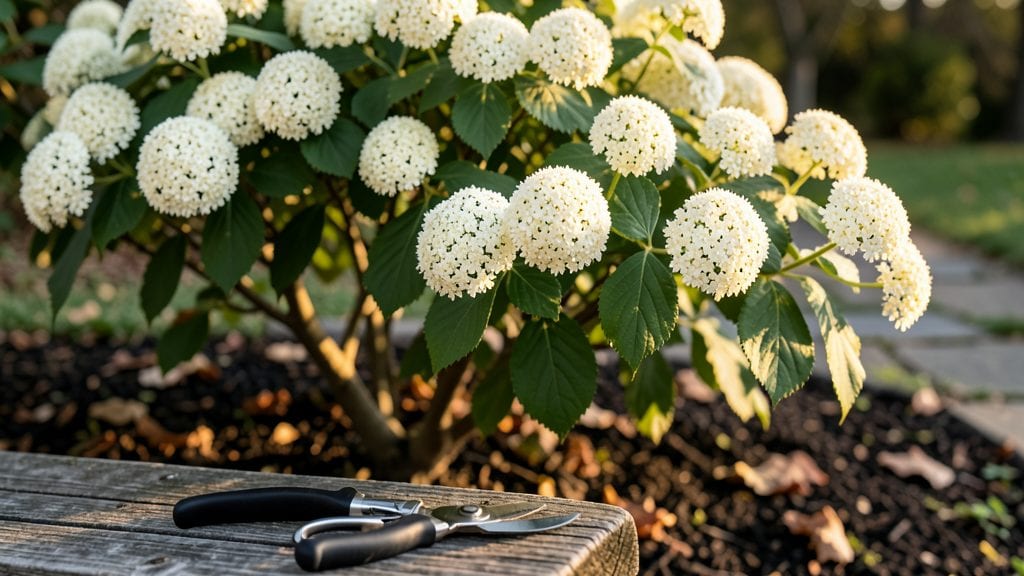
Pruning your snowball plant (Viburnum opulus) transforms it from a scraggly mess into a lush, flowering showstopper every spring. 🌿 I’ve pruned mine for years, and the difference between a neglected bush and one bursting with white blooms comes down to timing, technique, and a few key cuts.
The right approach keeps it compact, healthy, and ready to put on its best display when the weather warms.
You’ll need just a few tools: sharp bypass pruners for clean cuts, heavy-duty gloves to protect from thorns, and a small saw for thicker branches. The best time to prune is late winter or early spring, right before new growth starts—this ensures you’re not cutting off next year’s blooms.
For shaping, focus on removing dead wood, crossing branches, and thinning out crowded areas to improve airflow.
After pruning, give your snowball plant a drink of water to help it recover, and hold off on heavy fertilizing until new growth appears. Within weeks, you’ll see fresh green shoots pushing out, and by spring, those iconic snowball-like clusters will appear in abundance.
The key is consistency—prune the same way each year, and your plant will reward you with years of effortless beauty.
This method works for both young shrubs and mature ones needing a rejuvenation cut. Whether you’re dealing with a small patio plant or a larger landscape specimen, the same principles apply. Let’s get those pruners out and shape your snowball plant for a stellar season ahead!
Why it happens
Your Viburnum opulus—the stunning snowball plant—may demand pruning for reasons rooted in its biology, environment, or past care. Understanding these triggers helps you prune proactively (not reactively) and keep your plant thriving. Here’s why overgrowth or poor structure might happen:
🌱 Natural Growth Habits
The snowball plant is a deciduous shrub with a multi-stemmed, suckering nature. Its genetic makeup drives aggressive lateral branching and root sprouts (suckers) to maximize sunlight exposure and spread. Without intervention, these stems can:
- Overcrowd: Competing branches weaken flower production and air circulation, inviting fungal diseases like powdery mildew.
- Lose structure: Older stems (over 3–4 years) become woody and leggy, reducing the iconic "snowball" bloom clusters.
- Sucker prolifically: Roots send up new shoots from the base, creating dense thickets if not pruned back annually.
Actionable insight: Prune in late winter/early spring (before buds swell) to redirect energy toward 3–5 strong, upright stems instead of wild suckers.
🌡️ Environmental Stressors
Snowball plants are hardy (USDA Zones 3–7), but extreme conditions can trigger compensatory growth—like sending out weak, spindly branches—to survive. Key culprits:
| Factor | How It Triggers Pruning Needs |
|---|---|
| ❄️ Winter dieback | Cold snaps or poor mulching can scorch tender new growth in early spring, forcing the plant to "reboot" with vigorous but disorganized regrowth. |
| ☀️ Overly sunny sites | Intense light bleaches foliage and causes stems to stretch (etiolation) for more shade, leading to weak, floppy branches. |
| 💧 Waterlogged soil | Poor drainage stresses roots, prompting excessive sucker production as the plant seeks stability. |
Fix it: Amend soil with compost for drainage, provide afternoon shade in hot climates, and mulch 3 inches deep to insulate roots.
✂️ Past Pruning Mistakes
Pruning errors—like topping (cutting stems flush) or over-pruning—can backfire spectacularly. Here’s how:
- Topping: Removing the terminal bud forces lower buds to sprout, creating a bushy but chaotic shape with no clear structure.
- Late-season cuts: Pruning after June delays next year’s blooms (snowball flowers form on old wood) and encourages weak, late-season growth prone to frost damage.
- Neglecting deadheading: Leaving spent flower clusters (snowballs) on the plant signals it to seed instead of focusing on new blooms.
Pro tip: Use the "third-branch rule"—always prune back to a healthy lateral branch (not bare wood) to maintain vigor. Never remove more than 1/3 of the plant’s foliage in one season.
🐞 Pests or Disease Damage
Unseen invaders can force your snowball plant into defensive growth modes, like sending out dense, deformed branches. Watch for:
- Scale insects: Sap-sucking pests weaken stems, causing them to curl or die back, prompting new shoots to fill gaps.
- Japanese beetles: Their feeding skeletonizes leaves, reducing photosynthesis and triggering thin, leggy growth.
- Canker diseases: Fungal/bacterial infections girdle stems, cutting off nutrient flow and causing sudden dieback in patches.
Solution: Treat pests with neem oil (for scale) or horticultural oil (for beetles). For cankers, prune infected stems 6 inches below the damage and sterilize tools with 70% rubbing alcohol.
Revive and Reshape Your Snowball Plant
Your snowball plant (Viburnum opulus) may be struggling, but with the right pruning techniques, you can bring it back to its lush, blooming glory. Below are targeted solutions for common issues—whether it’s leggy growth, sparse blooms, or an unruly shape—along with prevention tips to keep your plant thriving year-round.
Cause: Too little pruning, poor light, or excessive shade. Fix: 🔥 Step 1: Trim Back Aggressively – In late winter or early spring, cut back up to one-third of the plant’s oldest, leggy stems to the ground. This encourages new, vigorous growth from the base. 🍳 Step 2: Thin Out Crowded Branches – Remove any crossing or rubbing branches to improve airflow and sunlight penetration. 👨🍳 Step 3: Fertilize Lightly – After pruning, apply a balanced, slow-release fertilizer (10-10-10) to support regrowth.
💡 Prevention Tip: Prune annually in early spring to maintain shape and prevent overgrowth. Ensure your plant gets at least 6 hours of sunlight daily to discourage leggy stems.
Cause: Over-pruning, lack of sunlight, or improper timing. Fix: 🔪 Step 1: Prune After Flowering – Snowball plants bloom on old wood, so wait until after flowers fade (late spring to early summer) to prune. Cut back only dead or weak stems—avoid heavy pruning. 🌡️ Step 2: Boost Sun Exposure – If blooms are sparse, move the plant to a sunnier spot (partial shade is ideal, but too much shade reduces flowering). ✨ Step 3: Feed for Blooms – In early spring, use a phosphorus-rich fertilizer (5-10-5) to encourage flowering.
💡 Prevention Tip: Never prune in fall or winter—this removes next year’s flower buds. Stick to light pruning after blooming to maintain healthy growth.
Cause: Improper pruning techniques or neglect. Fix: 🎯 Step 1: Shape Gradually – Use hand pruners to trim back 1-2 inches from the tips of branches to encourage bushier growth. Aim for a rounded, balanced shape. 🔪 Step 2: Remove Wayward Branches – Cut out any stems growing too upright or sprawling to maintain a neat form. ⏰ Step 3: Prune in Stages – For large plants, prune in 3 sessions over early spring to avoid shocking the plant.
💡 Prevention Tip: Prune while young—establishing a strong structure early makes future shaping easier. Use sharp, clean tools to prevent disease.
Cause: Fungal infections, pests, or winter damage. Fix: 🔥 Step 1: Sterilize Your Tools – Wipe pruners with rubbing alcohol before and after cutting to prevent spreading disease. 🍳 Step 2: Cut Out the Problem – Remove any blackened, mushy, or hollow stems at the base. If a branch is completely dead, cut it back to healthy wood. 👨🍳 Step 3: Treat for Fungus – Spray with a copper-based fungicide if you spot powdery mildew or cankers.
💡 Prevention Tip: Improve drainage—soggy soil invites fungal issues. Mulch around the base (but not too close) to keep roots dry.
With these targeted fixes, your snowball plant will bounce back stronger than ever. Consistent, thoughtful pruning is the key—whether you’re shaping it for beauty or boosting blooms, a little effort now saves big headaches later! 🌿✂️
Frequently asked questions about snowball plant care
When is the best time to prune my snowball bush?
Prune your snowball plant in late winter or early spring, right before new growth begins. This is ideal for shaping and encouraging strong blooms. Avoid pruning in fall or winter—it removes next year's flower buds, which form on old wood. Light cleanup pruning can happen after blooming to remove spent flowers.
How much can I prune my snowball plant at once?
Never remove more than one-third of the plant's foliage in a single session. For young plants, light shaping is best. Mature plants needing rejuvenation can handle one-third removal in early spring, but spread it over 2-3 years for large shrubs to avoid stress. Always cut back to a healthy lateral branch.
Why are my snowball plant's blooms getting smaller?
Smaller blooms often mean overcrowded branches or too much shade. Thin out crossing branches to improve airflow and sunlight penetration. Also ensure your plant gets at least 6 hours of sunlight daily. Over-fertilizing with nitrogen can reduce flowering too—switch to a phosphorus-rich fertilizer in early spring.
What should I do if my snowball plant has no blooms?
Check your pruning timing—blooms form on old wood, so avoid heavy pruning after June. Move the plant to a sunnier location (partial shade is ideal). Feed with a high-phosphorus fertilizer in early spring, and remove any dead or weak stems that may be diverting energy from flowering.
How do I prevent my snowball plant from getting leggy?
Leggy growth happens with too little light or inconsistent pruning. Ensure your plant gets 6+ hours of sunlight and prune annually in early spring to maintain a compact shape. Cut back 1-2 inches from the tips of branches to encourage bushier growth. Avoid heavy pruning that removes too many leaves at once.