
Pests
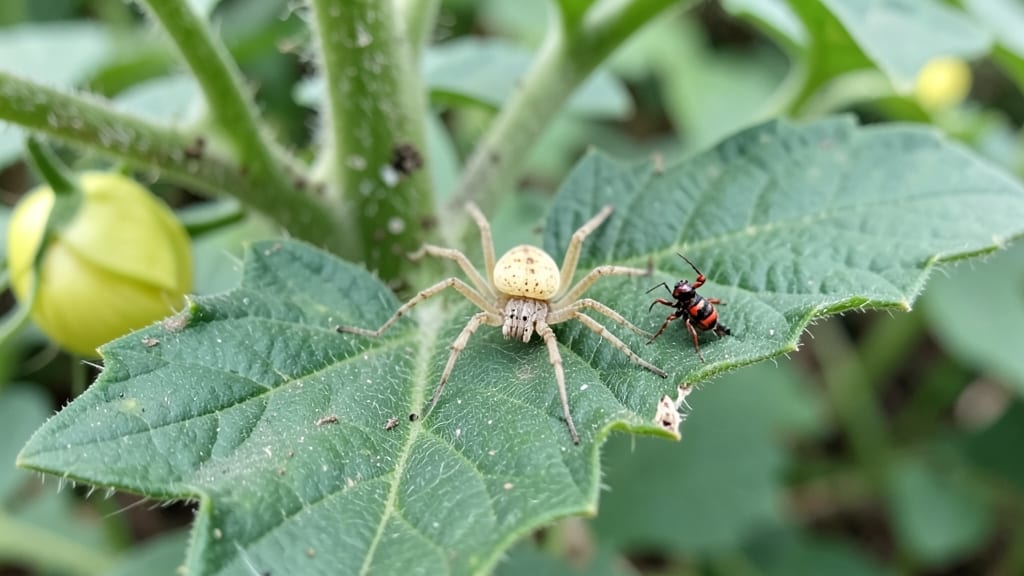
Spider mites on tomato plants turn lush green leaves into skeletonized messes faster than you can say "harvest season." 🌱 I've watched these tiny pests strip entire plants bare in just two weeks, and the good news is you can stop them without harsh chemicals—if you act fast.
The key is catching them early, when the damage is still small and the plants can bounce back.
These pests thrive in dry, dusty conditions, so they often show up after a heatwave or when you forget to water. You'll spot them first as tiny yellow specks on leaves or fine webbing in the creases—like a spider's ghostly handiwork.
The moment you see that, grab a spray bottle and start the three-stage cleanup before they multiply into a full-blown infestation.
By the end of this process, your tomato plants will look revitalized with new growth pushing through, and those stubborn mites will be a distant memory. The secret is consistency: check plants weekly during hot spells, and you'll catch problems before they spiral.
Your tomatoes will reward you with bigger, healthier fruit all season long.
This method works for backyard gardens, containers, and even greenhouse setups. The tools you need are simple—just water, neem oil, and a little elbow grease. Let's get those plants back to their full, thriving selves.
The Hidden Triggers Behind Infestations
Spider mites—those tiny, eight-legged troublemakers—don’t just appear on tomato plants out of nowhere. Their arrival is the result of a perfect storm of environmental and plant-related factors. Understanding these causes is the first step to preventing future outbreaks. Let’s break down the science behind why these pests target your tomatoes.
Spider mites thrive in hot, dry climates—think of them as the desert dwellers of the garden. Here’s why your tomato plants might be sending out an all-you-can-eat buffet sign:
- Low Humidity: These pests despise moisture. When air humidity drops below 40%, spider mites multiply rapidly because their delicate bodies dry out less quickly.
Tomato plants in greenhouses, containers, or arid regions are especially vulnerable. - High Temperatures: Ideal mite conditions kick in at 80°F (27°C) or warmer. Heat stresses tomato plants, weakening their defenses and making them easier prey.
If your tomatoes are wilting slightly in the afternoon sun, you’ve created a mite paradise. - Poor Air Circulation: Stagnant, still air traps heat and reduces humidity near the plant’s surface. This is why mites often cluster on the undersides of leaves, where conditions are even more extreme.
💡 Pro Tip: Use a hygrometer to monitor humidity levels. Aim for 50-70% humidity around your plants, and consider mist spraying (early morning only) or shade cloth in peak summer heat.
A healthy tomato plant can fend off spider mites, but when it’s stressed or malnourished, it becomes an easy target. Common culprits include:
- Nutrient Deficiencies: Lack of phosphorus or potassium weakens plant cell walls, making them more susceptible to mite feeding. Yellowing leaves (especially older ones) or stunted growth are red flags. - Over-Fertilization: Too much nitrogen promotes lush, soft growth that mites love to pierce.
A sudden surge of green leaves with weak stems?
That’s a mite magnet. - Water Stress: Both overwatering (leading to root rot) and underwatering (causing drought stress) compromise a plant’s ability to produce protective compounds like trichomes (tiny hair-like structures that deter pests). - Pest or Disease Damage: If your tomatoes have already battled aphids, whiteflies, or fungal infections, they’re more likely to attract secondary pests like spider mites, which exploit the chaos.
✨ Actionable Fix: Conduct a soil test and adjust fertilization to a balanced 10-10-10 or 5-10-10 NPK ratio. Water deeply 1-2 times per week (depending on climate) and avoid wetting foliage to prevent fungal hitchhikers.
Spider mites aren’t usually the first pests to invade—they’re opportunists that move in after other insects have already weakened the plant. Here’s how their arrival is often connected to bigger ecosystem shifts:
- Loss of Beneficial Insects: Predatory mites (like Phytoseiulus persimilis), ladybugs, and lacewings devour spider mites—but they need a balanced environment to thrive.
If you’ve used broad-spectrum pesticides (even "organic" ones like neem oil overuse), you may have wiped out these natural allies. - Monoculture Planting: Growing only tomatoes (or other susceptible plants like peppers and eggplants) in one area creates a mite buffet.
Diversifying your garden with basil, marigolds, or dill attracts predatory insects and disrupts mite populations. - Seasonal Shifts: Early summer often brings a surge in spider mites because their natural predators (like lacewings) are still dormant or less active.
This is why infestations spike June through August in many regions.
🎯 Prevention Hack: Introduce companion plants like nasturtiums (which mites avoid) or alyssum (which attracts predatory wasps). Release commercial predatory mites (available at garden centers) for a quick boost in biological control.
Sometimes, spider mites don’t just find your tomatoes—they’re deliberately brought in by human activity. Here’s how:
- Contaminated Garden Tools: Mites and their eggs can cling to pruners, gloves, or trellises from previously infested plants.
Always sanitize tools with rubbing alcohol before moving between garden sections. - Transplants or Grafts: Buying pre-infected seedlings or using contaminated soil/grow media is a fast track to an outbreak.
Inspect new plants under a magnifying glass for webbing or tiny moving dots before planting. - Wind or Wildlife: Mites can hitch rides on pollinators (like bees) or blow in on the wind from nearby farms or wild areas.
This is why infestations often start suddenly and without obvious sources.
🔥 Quick Check: Before introducing new plants, quarantine them for 2 weeks in a separate area and monitor for signs of mites.
Quick Fixes for Tomato Plant Pests
Spotting tiny spiders on your tomato plants can feel like a nightmare for any gardener, but don’t panic—these pests are manageable with the right approach. Below, we’ll break down targeted solutions based on the root cause of your spider problem, from immediate fixes to long-term prevention.
Whether it’s spider mites, harvestmen, or other arachnids, we’ve got you covered with organic, practical steps that work fast.
Spider mites are the most common culprits, and they thrive in dry, dusty conditions. Act fast before they suck the life out of your tomatoes!
🍳 Step 1: Knock Them Off with Water
- Morning or evening, spray your tomato plants thoroughly with a strong stream of water. This dislodges mites and their eggs.
- Use a hose nozzle or spray bottle for delicate leaves.
- Repeat every 2–3 days for a week to break their life cycle.
👨🍳 Step 2: Apply Insecticidal Soap
- Mix 1–2 tablespoons of mild castile soap (or store-bought insecticidal soap) with 1 quart of water.
- Spray both sides of leaves until damp. Avoid spraying in direct sunlight (it can burn foliage).
- Reapply every 5–7 days until mites disappear.
💡 Pro Tip: Add 1 tablespoon of neem oil to the soap solution for extra potency. Neem disrupts their feeding and reproduction.
If you’re seeing large, harmless harvestmen (daddy longlegs), they’re beneficial predators—they eat pests like aphids and spider mites! No action needed, but keep reading to prevent mites from moving in.
✨ Prevention Tips for Harvestmen-Friendly Gardens:
- Avoid overusing pesticides—they can harm these helpful spiders.
- Plant companion crops like basil, marigolds, or dill to attract beneficial insects.
- Leave some leaf litter near your plants to give them shelter.
If you’re seeing tiny yellow spiders (likely jumping spiders or thrips’ byproduct), the real issue might be thrips or fungus gnats—not the spiders themselves.
🔪 Step 1: Trap Fungus Gnats
- Place yellow sticky traps near your tomato plants to catch adult gnats.
- Reduce overwatering—fungus gnats love moist soil. Let the top inch dry before watering.
🌡️ Step 2: Combat Thrips with Diatomaceous Earth
- Sprinkle food-grade diatomaceous earth (DE) lightly on soil and under leaves.
- Reapply after rain—it loses effectiveness when wet.
- Avoid touching DE with bare hands (it’s abrasive to skin).
The best defense? A healthy, resilient tomato plant that pests won’t want to invade.
🎯 Prevention Checklist:
- Water deeply but less often—spider mites love dry conditions. Aim for 1 inch of water per week.
- Prune regularly to improve airflow and reduce humidity (mites hate dry leaves).
- Use reflective mulch (like aluminum foil or white plastic) to confuse and deter mites.
- Introduce predator insects like lacewings, ladybugs, or predatory mites (available at garden centers).
- Rotate crops—don’t plant tomatoes in the same spot yearly to break pest cycles.
💡 Final Reminder: Consistency is key! Spider mites and other pests can rebound if you stop treatments too soon. Stick with your plan for at least 2–3 weeks to ensure they’re gone for good. Happy gardening! 🌿🍅
Frequently asked questions about tiny spiders on tomato plants
Are those spiders on my tomatoes harmful?
Most likely they're harmless harvestmen (daddy longlegs) or jumping spiders that eat pests like aphids. The real concern is spider mites—tiny yellow specks with webbing—these sap-suckers damage leaves. Check undersides of leaves first for fine webbing or speckling patterns.
Why do spider mites appear suddenly?
They thrive in hot, dry conditions (above 80°F) and low humidity. Look for yellowing leaves or fine webbing between stems. They often arrive after heatwaves or when plants are stressed from overwatering or underwatering.
What's the fastest organic fix?
Spray plants with a mix of 1 tablespoon neem oil + 1 tablespoon castile soap in 1 quart water every 5-7 days. For immediate relief, blast mites off with water in the morning or evening. Add reflective mulch to deter future infestations.
Can I still harvest tomatoes if there are spiders?
Yes! Harvestmen and jumping spiders don't harm fruit. For spider mites, pick tomatoes immediately—they won't spread to new growth. Wash tomatoes thoroughly before eating. Focus on treating leaves while harvesting to prevent reinfestation.
How do I prevent future spider problems?
Plant companion crops like basil or marigolds, maintain 50-70% humidity with shade cloth, and introduce predatory mites (available at garden centers). Prune regularly for airflow and avoid over-fertilizing with nitrogen.