
Companion Plants
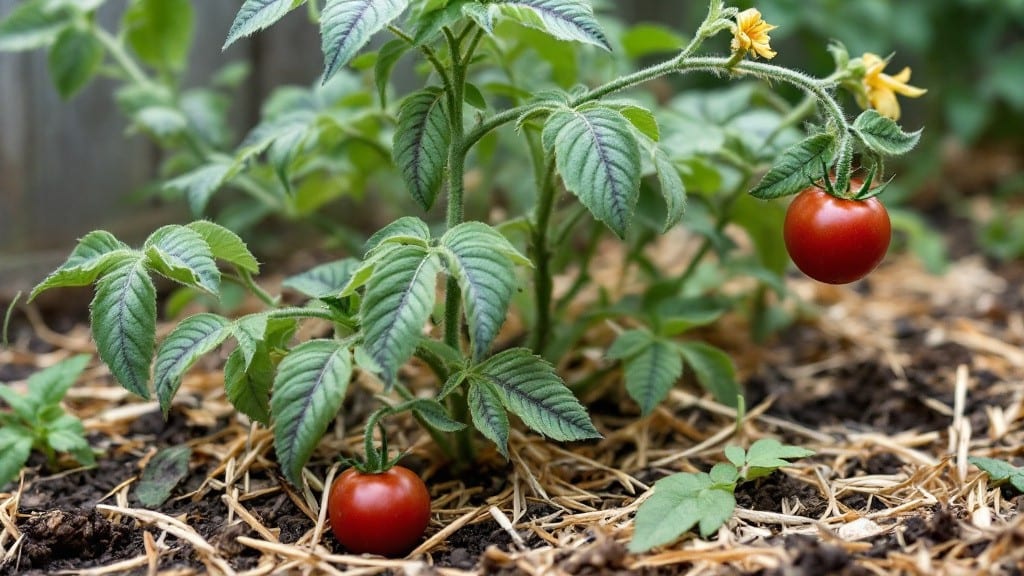
Stripey tomato plants might look like a fancy heirloom variety—but they’re usually a cry for help. 🌱 I’ve seen everything from nutrient deficiencies to viral infections masquerading as "designer foliage," and I’ll help you tell the difference before it’s too late.
The key is catching the stripes early, when they’re still just faint lines rather than full-blown damage.
Most stripey patterns stem from either a tobacco mosaic virus (the most common culprit) or nutrient imbalances, particularly nitrogen or magnesium deficiencies. Spider mites can also leave silvery streaks, but those usually show up alongside webbing.
The good news? You can often save your plants with the right mix of organic sprays, soil amendments, and cultural fixes—if you act fast.
Start by inspecting the undersides of leaves for tiny yellow specks or webbing. If you spot those, isolate the plant immediately and blast it with water to knock off mites.
For viral stripes, remove infected leaves (sterilize your pruners!) and boost plant health with compost tea. The goal is to outgrow the problem—not just mask it.
Vertical growing isn’t just about saving space; it’s about airflow and sunlight distribution, which directly impact stripe prevention. Trellising your tomatoes keeps foliage off the ground, reduces humidity (a virus’s best friend), and lets you spot issues before they spiral.
I’ll walk you through the exact setup that’s kept my compact garden stripe-free for three seasons now.
📚 In This Guide
- What you need
- Instructions
- Tips and common mistakes
- Wrapping up and next steps
What you need
- ● Stripey tomato seeds or seedlings: Choose heirloom varieties like ‘Striped Roman’ or ‘Yellow Pear’ (2–4 plants for a small vertical setup).
- ● Vertical growing structure: Trellis or tomato cage: 4–6 ft tall, sturdy metal or wooden (e.g., blank">A-frame trellis or blank">5-ft cages).
- ● Wall-mounted pockets or fabric grow bags: 1–2 pockets per plant (e.g., blank">10L fabric grow bags).
- ● DIY options: Repurposed pallets, hanging shoe organizers, or PVC pipes with netting.
- ● Potting mix: High-quality, well-draining mix (e.g., blank">50% potting soil + 50% compost or blank">coco coir blend; ~2–3 gallons per plant).
- ● Support ties: Soft plant ties or old T-shirts (cut into strips) to secure vines.
- ● Fertilizer: Balanced organic fertilizer (e.g., 10-10-10 or blank">fish emulsion; follow package rates).
- ● Basic gardening tools: Trowel or small shovel.
- ● Pruning shears (sterilized).
- ● Watering can or hose with gentle spray nozzle.
- ● Sunlight access: 6–8 hours of direct sunlight daily (south-facing wall or balcony ideal).
- ● Watering schedule: Consistent moisture (check soil daily; avoid soggy roots).
- ● Companion plants: Basil, marigolds, or nasturtiums (plant near base to deter pests).
- ● Drip irrigation kit: For automated watering (great for busy gardeners!).
- ● Shade cloth: Lightweight fabric to protect from intense afternoon sun (if in hot climates).
- ● Growth booster: Mycorrhizal fungi or seaweed extract (mix into soil at planting).
How to grow stripey tomatoes vertically in small spaces
Transform your tiny balcony or patio into a productive tomato haven with these space-smart growing tricks.
🪴 Step 1: Choose the Right Containers and Support Structures
For 4 stripey tomato plants, you'll need 4 large containers (at least 12-15 inches deep) with sturdy trellises or cages. I like fabric grow bags because they're lightweight and allow roots to breathe better than rigid pots. The key is height—look for containers that are 18+ inches tall to maximize vertical growth.
Install a 5-foot tall trellis system next to each container. You can use wooden stakes with twine, metal cages, or even repurpose a ladder for a rustic look. The trellis should be able to support 6-8 pounds per plant once fully loaded with fruit. I always anchor mine with 2 stakes per container to prevent tipping in windy conditions.
☀️ Step 2: Plant and Position for Maximum Sun Exposure
Fill each container with 10 gallons of high-quality potting mix, amended with 1 cup of compost and 1 tablespoon of tomato fertilizer. Dig a hole in the center of the container just wide enough to accommodate the root ball of your stripey tomato plant. Gently remove the plant from its nursery pot and place it in the hole.
Position containers where they'll receive at least 6-8 hours of direct sunlight daily. South-facing windows or balconies work best. If you're using a north-facing space, supplement with a grow light positioned 12 inches above the plants. You'll know the light is sufficient when leaves are dark green and compact—not pale and stretched.
🌿 Step 3: Train Vines Vertically and Prune Strategically
As your stripey tomato plants grow, gently tie the main stem to the trellis using soft plant ties or old fabric strips. I like to space ties every 12 inches up the trellis to support the plant's weight. Avoid metal ties—they can cut into stems as they thicken. The goal is to keep the vine growing upward while allowing side shoots to develop into fruit-bearing branches.
Prune suckers (the small shoots that grow in the leaf axils) when they're 2-3 inches long. Remove them by pinching with your fingers rather than cutting with shears to avoid damaging the main stem. This encourages the plant to focus energy on upward growth and fruit production rather than leafy foliage. You'll see stronger stems and heavier fruit loads within 4-6 weeks of consistent pruning.
💧 Step 4: Water and Feed for Maximum Vertical Productivity
Water deeply 2-3 times per week, delivering 1-2 gallons per container each time. The soil should be moist to a depth of 4-6 inches—check by sticking your finger in the soil. Drip irrigation works best for vertical gardens because it delivers water directly to the roots without wetting the leaves (which helps prevent disease).
Feed your stripey tomatoes with a balanced liquid fertilizer every 2 weeks during the growing season. I switch to a low-nitrogen, high-phosphorus formula when flowers appear to encourage fruiting. You'll notice larger, more abundant tomatoes forming along the vertical vine once the plant gets consistent nutrients.
✂️ Step 5: Harvest and Maintain Through the Season
Harvest tomatoes when they're fully colored and slightly soft to the touch. Stripey varieties often ripen unevenly, so check the vine every 2-3 days during peak season. Use pruning shears to cut stems ¼ inch above the fruit to prevent damage to the vine. This also encourages more flowers to form at the lower nodes.
Continue pruning and training throughout the season, especially after heavy harvests. Remove any diseased leaves immediately and dispose of them in the trash (not compost). If your plants start to outgrow the trellis, add a second support structure or gently weave the vine around the existing one. With proper care, you'll get 2-3 harvests per plant over the growing season.
Tips & tricks for perfect stripey tomato vertical growth
Here's what I've learned after growing stripey tomatoes vertically for years—these tricks will help you maximize your small space and get the best harvest possible.
Container Selection: Fabric grow bags are my go-to because they're breathable and prevent root circling, but if you prefer rigid containers, choose ones with drainage holes. The extra height in Step 1 is crucial—those 18-inch containers give your stripey plants room to develop strong roots and support heavy fruit loads. I've found that wider containers (12-15 inches) actually work better than deeper ones for vertical growth because they allow better air circulation around the base.
Sunlight Strategy: That 6-8 hours of sunlight requirement is non-negotiable, but here's the secret: position containers so they get morning sun (which is less intense) and afternoon shade if your space gets too hot. I've seen stripey tomatoes in full afternoon sun develop sunburned leaves and misshapen fruit. Also, rotate containers every few days to ensure even growth on all sides—you'll notice more uniform vine development this way.
Pruning Precision: When you're pruning suckers in Step 3, focus on removing them at the base where they meet the main stem. I learned this the hard way—leaving even a small stub can lead to regrowth. Another tip: prune in the morning so any damaged areas have time to dry out before evening moisture sets in. After about 4-6 weeks of consistent pruning, you'll see those main stems thicken noticeably, which means they can support more fruit.
Watering Wisdom: The 2-3 times per week watering schedule works, but timing matters just as much. Water deeply in the morning so the foliage has all day to dry out, which prevents fungal diseases like blight. I've found that stripey tomatoes actually prefer slightly drier conditions than regular tomatoes—let the top 1-2 inches of soil dry between waterings. This encourages deeper root growth and more robust plants overall.
Pro Tips for Stripey Tomato Plants
- Here's what I've learned after growing stripey tomatoes vertically for years—these tricks will help you maximize your small space and get the best harvest possible.
- Container Selection: Fabric grow bags are my go-to because they're breathable and prevent root circling, but if you prefer rigid containers, choose ones with drainage holes.
- Sunlight Strategy: That 6-8 hours of sunlight requirement is non-negotiable, but here's the secret: position containers so they get morning sun (which is less intense) and afternoon shade if your space gets too hot.
Frequently asked questions
Got questions about growing stripey tomato plants in vertical spaces? You’re not alone! Here are some of the most common queries—and their simple solutions—to help you crush your compact garden goals.
What are stripey tomato plants, and how are they different from regular tomatoes?
Stripey tomato plants (like Solanum lycopersicum ‘Striped Roman’ or ‘Black Krim’) are heirloom varieties with distinctive purple or green stripes on their fruits. They’re not a separate species—they’re just bred for unique color and flavor! These tomatoes thrive vertically, making them perfect for small spaces. Their compact growth habit also means fewer sprawling vines to manage.
When is the best time to plant stripey tomatoes in a vertical garden?
For warm climates, plant stripey tomatoes after the last frost (around late April–May in most U.S. zones). In cooler regions, start seeds indoors 6–8 weeks before the last frost and transplant seedlings after soil temps hit 55°F+. Vertical setups warm up faster, so you can plant 1–2 weeks earlier than ground-level tomatoes to give them a head start!
Can I use regular tomato cages or do I need special vertical supports?
You don’t need fancy gear! Tomato cages, trellises, or even repurposed ladders work great. For stripey varieties, opt for 5–6 foot tall supports—their indeterminate growth can get tall. Avoid flimsy cages; sturdy trellises or wall-mounted pockets prevent toppling. Pro tip: Weave vines through a grid (like a tomato tower) for better air circulation and fewer pests.
Why are my stripey tomato leaves turning yellow, even with vertical support?
Yellow leaves often signal overwatering, nutrient deficiency, or pests. Check for:
- Root rot: Let soil dry slightly between waterings (vertical pots dry faster!).
- Nitrogen deficiency: Feed with balanced fertilizer (10-10-10) every 3–4 weeks.
- Pests: Inspect for aphids or spider mites (common in crowded vertical setups). Spray with neem oil if needed.
If the problem persists, prune lower leaves to improve airflow and sunlight exposure.
What are the best companion plants for stripey tomatoes in vertical gardens?
Stripey tomatoes love these vertical-friendly companions:
- Basil: Repels pests and boosts flavor (plant in hanging pots nearby!).
- Marigolds: Deter nematodes—grow in pockets below tomatoes.
- Chives or garlic: Natural fungicides; use wall-mounted planters.
- Avoid: Fennel or brussels sprouts (they compete for nutrients).
For space-saving, try trailing herbs like thyme in the same vertical frame!
Wrapping up and next steps
Growing stripey tomato plants in compact gardens isn’t just possible—it’s a game-changer! 🌱 By embracing vertical space with trellises, cages, or companion plants, you’ll maximize yields while keeping your garden tidy and thriving.
Whether you’re a beginner or a seasoned gardener, these space-saving hacks prove that even small plots can produce big harvests.
Ready to transform your garden? Start by picking a stripey variety and setting up your vertical system this weekend. Happy planting—and enjoy those juicy, sun-ripened tomatoes! 🍅✨