How To
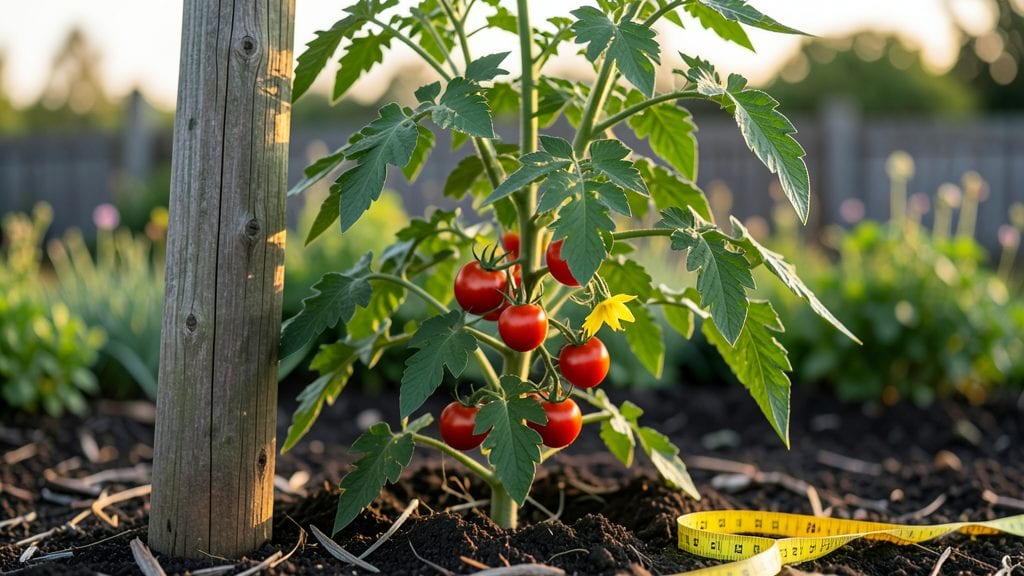
Tomato plants grow anywhere from 1 foot to over 12 feet tall, depending on the variety and how you care for them.
Picture this: you plant a tiny seedling in spring, and by summer, it’s either a neat, bushy shrub or a towering vine that needs a ladder to harvest. The difference? Variety, pruning, and a little know-how.
Determinate types like 'Roma' stay compact (3-5 feet), while indeterminate varieties like 'Brandywine' keep climbing until frost. Even dwarf tomatoes can stretch if you skip support, and over-pruned plants may grow lanky or fruitless.
Here’s how to predict—and control—your tomato’s height, from choosing the right variety to staking and pruning like a pro.


Tomato plant height by variety: dwarf, determinate, and indeterminate sizes
Tomato plants come in three main growth types, each with distinct height ranges that directly impact your garden layout and care routine. Dwarf varieties stay under 2 feet tall, making them perfect for containers or small spaces, while determinate plants typically reach 3-5 feet and produce fruit all at once.
Meanwhile, indeterminate varieties can grow 6-12 feet or taller and continue producing fruit until frost. Choosing the right type depends on your space, climate, and how much maintenance you're willing to handle.
If you're planning a garden with limited vertical space, dwarf tomatoes like 'Tiny Tim' or 'Patio' are ideal—they rarely exceed 18 inches and thrive in pots. For a classic bush tomato experience, determinate types such as 'Roma' or 'Celebrity' offer reliable yields without requiring extensive support.
Meanwhile, indeterminate varieties like 'Sungold' or 'Brandywine' demand more attention but reward you with a continuous harvest throughout the season. Understanding these differences helps you avoid overcrowding and ensures your plants get the care they need.
🌱 comparison table
One of the most popular dwarf tomato varieties is 'Tiny Tim,' which tops out at just 18 inches and produces sweet, cherry-sized fruits perfect for snacking.
These compact plants are also great for container gardening, as they don’t need deep pots—just ensure the container is at least 5 gallons to accommodate roots. For determinate varieties, 'Roma' tomatoes are a gardener’s staple, reaching 3-4 feet and producing elongated fruits ideal for sauces and pastes.
Their bushy growth means they don’t require staking, but they do benefit from mulching to retain moisture.
Indeterminate tomatoes like 'Sungold' can grow 8-10 feet tall if left unchecked, making them perfect for trellises or cages. These varieties produce fruit continuously until frost, so they’re ideal for extending your harvest season. However, their height means you’ll need to invest in support structures like tomato cages or stakes to prevent sprawling. If you’re short on space but love the idea of a long harvest, consider pruning techniques to control height while still encouraging fruit production.
Another key factor to consider is the fruit size and yield associated with each type. Dwarf varieties often produce smaller fruits but in high quantities, while indeterminate types yield fewer but larger tomatoes over a longer period.
For example, 'Beefsteak' tomatoes can weigh 1 pound or more each but require the height and support of an indeterminate plant. If you're growing for slicing tomatoes, indeterminate varieties like 'Brandywine' are excellent choices, but they’ll need regular pruning to manage their size.
For those with limited vertical space, semi-dwarf varieties like 'Celebrity' offer a middle ground, reaching 3-4 feet and producing medium-sized fruits. These are great for raised beds or small garden plots where you want a balance between height and manageability.
Always check the seed packet or plant tag for specific height ranges, as some varieties can vary slightly depending on growing conditions. Overcrowding is a common issue with taller varieties, so plan your spacing carefully—indeterminate plants need at least 18-24 inches between them, while determinate types can be spaced closer at 12-18 inches.
If you're growing tomatoes in containers, stick to dwarf or semi-dwarf varieties to avoid root-bound issues. Larger pots (at least 10-15 gallons) are better suited for determinate or indeterminate plants, as they provide the root space needed for taller growth.
Always use well-draining soil and consider adding compost to improve fertility. For indeterminate varieties, choose containers with built-in trellises or add your own support early to prevent damage as the plant grows.
Finally, remember that pruning and training can significantly influence the height and shape of your tomato plants. Regularly pinching back suckers (side shoots) encourages stronger stems and better air circulation, which is especially important for indeterminate varieties.
For determinate plants, minimal pruning is needed, but removing lower leaves can improve airflow and reduce disease risk. Whether you're growing for sauces, slicing, or snacking, understanding your tomato’s growth habit helps you maximize yield and enjoy a bountiful harvest.
🌿
Factors that influence tomato plant height beyond variety
While tomato varieties set the baseline for height, your growing conditions can push plants taller—or keep them compact. I’ve seen indeterminate varieties like 'Sungold' climb to 10+ feet in ideal conditions, while others barely reach 3 feet in containers.
The key lies in understanding how sunlight exposure, soil nutrients, and pruning habits interact with your garden setup.
For example, a determinate variety like 'Roma' might stay around 4 feet in a raised bed, but the same plant in a container with limited space could max out at 2.5 feet.
Meanwhile, indeterminate types like 'Brandywine' thrive when staked, reaching heights of 8–12 feet—but left unsupported, they sprawl and produce fewer fruits. Let’s break down how to control or encourage growth based on your setup.
How to Adjust Tomato Plant Height
- Sunlight: 6–8+ hours of direct sun fuels vertical growth. Partial shade (≤4 hours) stunts height by 30–50%—ideal for compact containers.
- Temperature: 70–85°F optimizes growth. Below 55°F, plants grow 20–30% slower; above 90°F, they bolt (shoot upward rapidly).
- Soil Quality: Rich, well-draining soil with compost or aged manure encourages taller, stronger stems. Poor soil = leggy, weak plants (50% height reduction).
- Pruning: Regular pruning (removing suckers) directs energy upward, adding 2–4 feet to indeterminate varieties. No pruning = bushier but shorter plants.
- Trellising: Vertical support (cages, stakes, or trellises) can increase height by 50–100% by reducing sprawl. No support = plants sprawl, limiting height to 3–4 feet.
- Container Size: 5+ gallon pots allow 4–6 ft growth; 1–3 gallon pots cap height at 2–3 ft. Root-bound plants grow 20–40% slower.
If you’re growing in containers, choose dwarf or semi-dwarf varieties like 'Tiny Tim' or 'Patio Princess' to avoid stunted growth. These thrive in 3–5 gallon pots with regular pruning to encourage bushiness.
For in-ground planting, indeterminate varieties like 'Cherokee Purple' will climb 8–10 feet with proper staking and balanced fertilization.
Pro tip: Top-dressing with compost mid-season can add 1–2 feet to mature height by boosting nutrient uptake. Pair this with morning watering to prevent fungal issues that slow growth. In raised beds, mulch with straw to retain moisture and encourage taller, healthier stems.
Remember, over-pruning or under-watering can drastically reduce height—even in vigorous varieties. Monitor your plants weekly and adjust support or nutrients as needed. With the right balance, you can coax 6-foot tomatoes from a 3-foot variety or keep sprawling types compact in small spaces.