Diseases
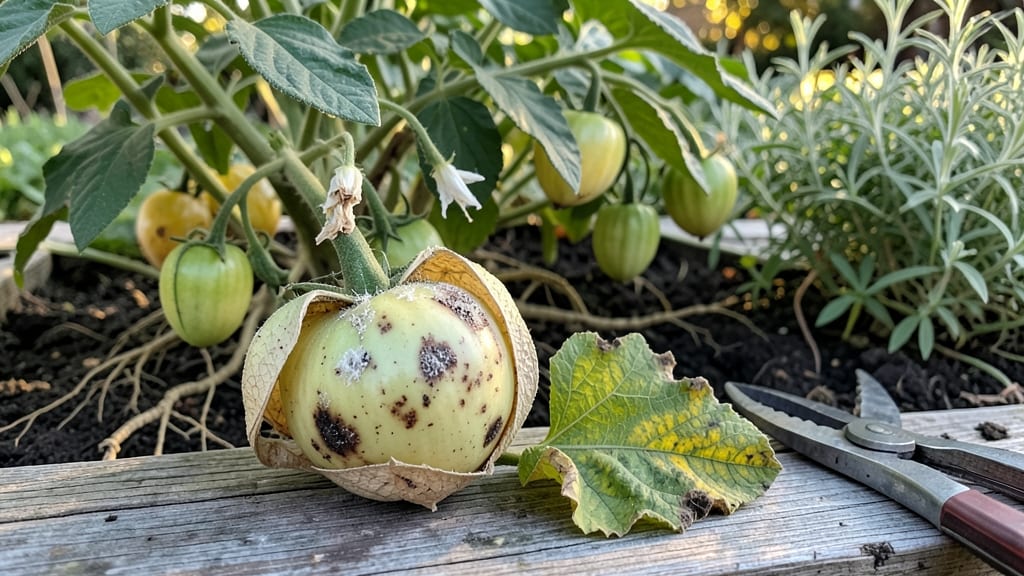
When your tomatillos develop dark spots or fuzzy white coatings, those aren't just cosmetic issues—they're early warnings your plants are fighting for their lives. 🌱 I've lost entire harvests to diseases I didn't catch soon enough, but now I spot the first signs before they spread.
The key is knowing what to look for: bacterial spot shows up as tiny black dots, powdery mildew looks like dust on the leaves, and fungal infections often start with yellowing between veins.
Most diseases thrive in the same conditions: crowded plants, poor airflow, and wet foliage. My biggest breakthrough came when I started spacing plants 18 inches apart and watering at the base instead of overhead.
That alone cut down on fungal issues by half. The right tools—like copper fungicide for prevention or neem oil for early treatment—make all the difference when you catch problems before they take hold.
With quick action, you can save your plants and still get that tangy harvest you love. I've turned around infected plants by pruning affected leaves, improving airflow, and applying organic sprays within 48 hours.
The result? Healthy, productive plants that keep giving you those bright green tomatillos for salsas and sauces all season long.
This works whether you're growing in containers or garden beds, in hot climates or cooler zones. The principles stay the same—just adjust your timing for local conditions. Let's get those plants back on track before the diseases win.
Root Causes Behind Tomatillo Troubles
Tomatillo plants, with their delicate green husks and vibrant salsa potential, are surprisingly vulnerable to a range of diseases. Understanding why these issues arise is the first step to prevention.
Below, we break down the key factors that create the perfect storm for tomatillo plant diseases—from environmental stressors to microbial invaders.
Tomatillos thrive in warm, stable conditions, but extremes—whether too hot, too cold, or overly humid—disrupt their natural defenses. Here’s how climate plays a role:
- Cold Stress: Temperatures below 50°F (10°C) slow growth and weaken cell walls, making plants more susceptible to fungal infections like Phytophthora blight or Alternaria leaf spot. Cold, damp soil also encourages root rot by promoting anaerobic (oxygen-starved) conditions.
- Heat Stress: While tomatillos love warmth, prolonged exposure above 90°F (32°C) causes wilting, stunted growth, and reduced resistance to pests like aphids, which spread viral diseases such as Tomato Mosaic Virus.
- High Humidity: Stagnant air (above 70% humidity) creates ideal conditions for fungal spores to germinate. Diseases like Early Blight (Alternaria solani) flourish in these environments, thriving on damp foliage.
💡 Pro Tip: Use a hygrometer to monitor humidity and ensure airflow with proper spacing (18–24 inches between plants). If humidity spikes, water in the early morning so foliage dries by evening.
Tomatillos need consistent moisture, but poor drainage and excessive watering are the #1 causes of root and foliar diseases. Here’s how it happens:
| Issue | Disease Risk | Why It Occurs |
|---|---|---|
| Compacted or clay-heavy soil | Fusarium wilt, Pythium root rot | Water pools around roots, suffocating them and inviting fungal pathogens. Poor aeration also weakens the plant’s immune response. |
| Overhead irrigation | Late Blight, Septoria leaf spot | Wet leaves for prolonged periods create a breeding ground for spores. Splashes from soil can also spread diseases upward to foliage. |
| Inconsistent watering (drought followed by flood) | Verticillium wilt, Bacterial spot | Stress from drought weakens roots, making them more vulnerable when suddenly overwatered. This stress cycle opens doors for pathogens. |
🔥 Fix It: Amend soil with compost or perlite to improve drainage, and use drip irrigation or soaker hoses to keep water at the base. Test soil moisture—stick your finger 1–2 inches deep; water only if dry.
Diseases rarely strike alone—they hitchhike on pests, tools, or even wind. Here’s how tomatillos get infected:
- Insect Vectors:
- Aphids and whiteflies spread Tomato Mosaic Virus (a RNA virus) by feeding on sap and excreting viral particles.
- Thrips damage plant tissue, creating entry wounds for fungal infections like Powdery Mildew.
- Contaminated Tools/Soil:
- Pruners, gloves, or even compost can carry Xanthomonas bacteria (causing Bacterial Leaf Spot) from previous infected plants.
- Reusing infected plant debris in compost or mulch perpetuates Sclerotinia rot.
- Wind & Waterborne Spores:
- Fungal spores (Alternaria, Cladosporium) travel on wind or rain, landing on wet leaves and germinating within 24–48 hours.
🛡️ Prevention:
- Inspect new plants for pests before transplanting.
- Disinfect tools with 70% rubbing alcohol or a 10% bleach solution between uses.
- Remove and destroy (don’t compost) diseased foliage immediately.
A tomatillo’s ability to fend off diseases hinges on balanced nutrition. Deficiencies in key nutrients leave plants starved and susceptible:
| Nutrient Deficiency | Symptoms | Disease Risk |
|---|---|---|
| Nitrogen (N) | Yellowing lower leaves, stunted growth | Weak stems collapse under fungal weight (e.g., Early Blight spores cling more easily to soft tissue). |
| Potassium (K) | Brown leaf edges, weak roots | Reduces cell membrane integrity, making roots vulnerable to Pythium and Fusarium. |
| Calcium (Ca) | Blossom-end rot (on fruits), distorted new growth | Weak cell walls crack, allowing bacterial entry (e.g., Xanthomonas). |
| Magnesium (Mg) | Interveinal chlorosis (yellow between veins) | Chlorotic leaves photosynthesize poorly, weakening the plant’s energy reserves for disease resistance. |
🌡️ Soil Test & Fix: Use a soil test kit to identify deficiencies. Amend with:
- Nitrogen: Compost tea or blood meal.
- Potassium: Banana peel compost or greensand.
- Calcium: Crushed eggshells or lime.
- Magnesium: Epsom salt (1 tbsp per gallon of water, foliar spray).
By addressing these root causes—climate control, water management, pathogen barriers, and nutrition—you’ll give your tomatillos the best shot at staying healthy. Next, we’ll dive into early warning signs so you can catch problems before they spread
Fixing Tomatillo Plant Problems
Now that you’ve identified the issue plaguing your tomatillos, it’s time to take action! Early intervention is key to saving your plants and ensuring a bountiful harvest. Below are practical, step-by-step solutions tailored to the most common tomatillo diseases, along with prevention tips to keep future problems at bay.
Early blight (Alternaria solani) is a stubborn fungal foe, but you can fight back with these steps:
🔥 Remove and Destroy Infected Leaves
- 🍳 Snip off yellow or brown leaves with early blight spots (those with concentric rings).
- 🔪 Prune at least 2 inches below the affected area to prevent spores from spreading.
- 🗑️ Do NOT compost infected plant material—burn or trash it to stop the fungus from recycling.
🌡️ Boost Airflow and Light
- 🌬️ Space plants 18–24 inches apart to improve air circulation.
- ☀️ Ensure full sun (6+ hours daily)—fungi thrive in damp, shady conditions.
💡 Preventive Sprays
- 🍄 Copper fungicide (apply every 7–10 days) or neem oil (mix 1 tbsp per quart of water + a drop of dish soap) to deter spores.
- 🌿 Baking soda spray: Mix 1 tsp baking soda, 1 tbsp oil, and a drop of soap in a quart of water.
Spray every 10 days as a preventive.
✨ Pro Tip: Rotate crops—never plant tomatillos (or tomatoes/peppers) in the same spot two years in a row to break the fungus’s life cycle.
Bacterial spot (Xanthomonas spp.) spreads like wildfire—act fast to contain it!
👨🍳 Prune and Sterilize Tools
- 🔪 Remove infected leaves immediately (don’t wait—bacteria spread in hours).
- 🧼 Sterilize pruners with 70% rubbing alcohol or a 10% bleach solution between cuts.
💦 Water Wisely
- 🌧️ Water at the base (never overhead) to keep leaves dry.
- ⏰ Water early in the day so foliage dries by nightfall.
🌡️ Copper or Antibacterial Sprays
- 🍄 Copper fungicide (works on bacteria too!) or fixed copper spray (like Copper Soap).
- 💧 Hydrogen peroxide spray (3% solution, spray every 5–7 days) can help.
🎯 Prevention: Rotate crops and plant resistant varieties like ‘Purple de Milpa’ if bacterial spot is common in your area.
This white, powdery fungus loves tomatillos but hates soap and sulfur!
🧼 Scrub Off the Fungus
- 🍳 Gently brush mildew off leaves with a soft cloth dipped in soapy water (mild dish soap + water).
- 🌿 Repeat every 3–4 days until gone.
🌡️ Sulfur or Baking Soda Spray
- 🍄 Wetable sulfur (follow package rates) or baking soda spray (1 tsp baking soda + 1 quart water + a drop of soap).
- 🌿 Spray undersides of leaves (where mildew hides).
🌬️ Improve Airflow
- 🌱 Thin plants if overcrowded.
- 🪵 Use trellises for bush varieties to keep leaves off the ground.
💡 Pro Tip: Plant marigolds nearby—their scent repels mildew spores!
These tiny pests weaken plants, making them susceptible to diseases.
💦 Blast Them Off
- 🌧️ Spray with water (forceful stream from a hose) to dislodge them.
- 🍳 Neem oil spray (1 tsp neem oil + 1 tsp soap per quart of water) every 5–7 days.
🐝 Encourage Beneficial Bugs
- 🐞 Ladybugs, lacewings, and parasitic wasps love aphids—plant dill or fennel nearby to attract them.
🌿 Homemade Soap Spray
- 🧼 Mix 2 tbsp castile soap + 1 quart water, spray directly on pests (especially undersides of leaves).
✨ Prevention: Yellow sticky traps catch mites early—place them near plants.
No matter the issue, these habits will keep your plants strong:
| Problem | Prevention Tip | When to Do It |
|---|---|---|
| Fungal Diseases | Crop rotation (wait 2+ years before replanting in the same spot) | Before planting season |
| Bacterial Issues | Sterilize soil (solarize or use compost) | Fall or early spring |
| Pests | Interplant with herbs (basil, cilantro) | At planting time |
| Weak Plants | Fertilize with compost (not too much nitrogen) | Every 4–6 weeks |
🎯 Golden Rule: Healthy plants resist diseases! Ensure proper watering, sunlight, and nutrition to build resilience.
By following these targeted fixes, your tomatillos will bounce back stronger—and you’ll be sipping on fresh salsa in no time! 🌿🍅🔥
Frequently asked questions about tomatillo plant diseases
What are the first signs of fungal infections like early blight on tomatillos?
Look for small, dark brown or black spots with concentric rings on older leaves—these are classic early blight symptoms. The spots often appear first on lower foliage and spread upward as the disease progresses. If you see yellowing leaves with these spots, act fast by removing infected leaves and improving airflow around your plants.
Can I still use my tomatillos if they have bacterial spot?
Yes, but with caution. While bacterial spot primarily affects leaves, it rarely spreads to the fruit. However, always wash your tomatillos thoroughly before using them in cooking or salsas. Remove any visibly infected leaves and practice good sanitation to prevent further spread.
How often should I spray neem oil to prevent powdery mildew?
Apply neem oil every 7–10 days during humid conditions or when you first notice white, powdery patches on leaves. For best results, spray in the early morning or late afternoon when temperatures are below 85°F (29°C). Combine it with a light dish soap to help the solution stick to the leaves.
Will crop rotation really help prevent tomatillo diseases?
Crop rotation breaks the life cycle of soil-borne pathogens like Fusarium or Verticillium by preventing them from overwintering in the same spot. Wait at least 2–3 years before replanting tomatillos, tomatoes, or peppers in the same area. This simple practice can drastically reduce disease pressure.
What’s the fastest way to sterilize my pruning tools to avoid spreading disease?
Use a 10% bleach solution (1 part bleach to 9 parts water) or 70% rubbing alcohol to disinfect tools between cuts. Dip pruners for 30 seconds, then rinse and dry completely. For a more natural option, soak tools in a 1% hydrogen peroxide solution for 5 minutes before use.