Pests
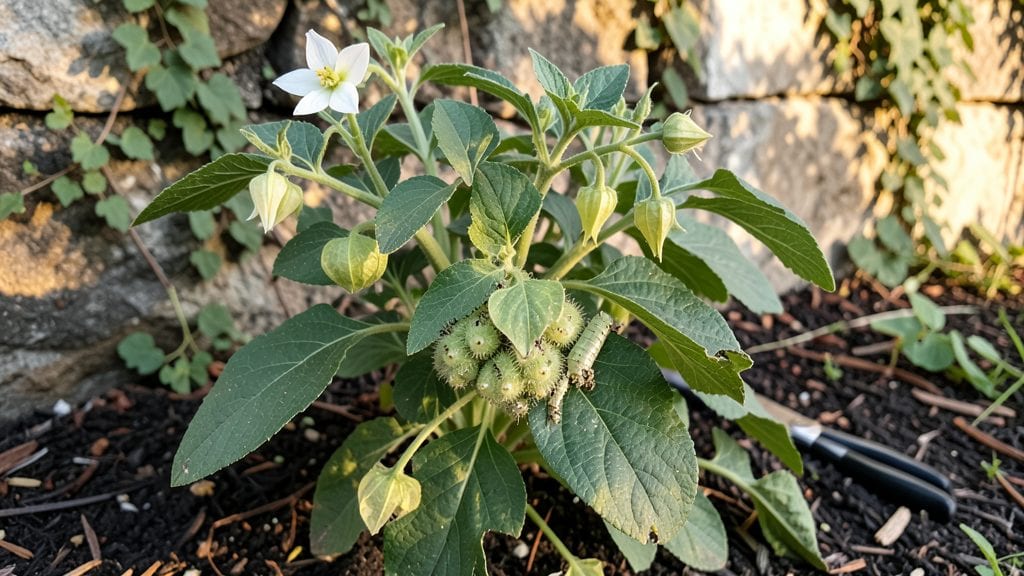
Tomatillo plant pests can turn your harvest into a chewed-up mess before you know it. 🌱 I’ve watched my own plants go from lush and green to skeleton leaves in just a few days, and the key to saving them isn’t harsh chemicals—it’s knowing exactly what’s attacking them and how to stop it without poisoning your soil.
The worst offenders—aphids, whiteflies, and fruit borers—don’t just ruin leaves; they spread diseases and make your tomatillos bitter or inedible. The good news? Most of these pests respond to simple, organic fixes like neem oil sprays, handpicking, or introducing ladybugs.
I’ve used these methods for years, and my plants stay healthy while the pests vanish.
By the time you’re done reading, you’ll spot early signs of trouble—sticky residue, tiny holes in leaves, or wilting clusters—and act fast. No more guessing games or last-minute scrambles. Your tomatillos will stay crisp, tangy, and pest-free, ready for salsas and sauces all season long.
Works for backyard gardens, container growers, or even balcony setups—just swap the tools for what fits your space. Let’s get those plants back to thriving.
Root Causes Behind Tomatillo Attacks
Tomatillo plants, with their delicate foliage and tender fruit, are a magnet for pests—but why do these critters target them in the first place? Understanding the root causes of tomatillo plant pest infestations helps gardeners take proactive steps to protect their crops.
Below, we break down the key reasons pests invade tomatillo plants, from environmental triggers to plant vulnerabilities.
Healthy tomatillos are naturally more resistant to pests because they produce secondary metabolites (like volatile organic compounds) that repel insects. When plants are stressed, however, they become prime targets:
- Nutrient deficiencies: Lack of nitrogen, phosphorus, or potassium weakens cell walls, making plants easier for pests like aphids and spider mites to penetrate. Yellowing leaves or stunted growth are red flags.
- Overwatering or drought: Soggy soil invites fungal issues (e.g., Phytophthora), which attract sap-sucking insects, while drought-stressed plants produce less sap—making them more appealing to pests like Liriomyza trifolii (leafminers).
- Physical damage: Pruning wounds or hail scars create entry points for bacteria and insects. Always sterilize tools with rubbing alcohol to prevent contamination.
💡 Pro Tip: Conduct a soil test before planting to ensure your tomatillos get the right nutrients. A balanced 10-10-10 fertilizer (or organic alternatives like composted manure) can boost resilience.
Pests don’t just appear—they thrive when environmental conditions align with their life cycles. Tomatillo plants often face infestations because they grow in microclimates that pests love:
| Pest | Triggering Conditions | Why It Attracts Them |
|---|---|---|
| Tomato Hornworms | Warm nights (75°F+), high humidity | Moths lay eggs in moist soil; caterpillars thrive on tender leaves. |
| Whiteflies | Stagnant air, greenhouses, or dense foliage | They cluster on undersides of leaves to feed on sap and excrete honeydew. |
| Fungal Gnats | Overly moist soil, poor drainage | Larvae feed on fungal growth in damp organic matter. |
| Cutworms | Cool, damp evenings | They hide in soil during the day and chew stems at night. |
🌡️ Actionable Fix: Improve airflow with pruning and spacing plants 18–24 inches apart. Use row covers in early spring to disrupt pest life cycles before they establish.
Planting tomatillos in the same spot year after year (or growing only nightshade family plants like peppers and eggplants nearby) creates a perfect storm for pests. Here’s why:
- Pest specialization: Many insects, like the tomato fruitworm, evolve to target specific host plants. Repeated plantings give them a reliable food source.
- Accumulated pathogens: Soil-borne pests (e.g., root-knot nematodes) build up over time, weakening new plants.
- Lack of biodiversity: Natural predators (like ladybugs or parasitic wasps) need a variety of plants to thrive. Monocultures starve these helpers out.
✨ Solution: Practice crop rotation—avoid planting tomatillos (or other nightshades) in the same bed for 3–4 years. Interplant with basil, marigolds, or nasturtiums to confuse pests and attract beneficial insects.
Even well-meaning gardeners can accidentally introduce pests to tomatillo plants through:
- Contaminated tools or hands: Moving from an infested garden to your tomatillos can transfer eggs or larvae.
- Transplanting infected seedlings: Nursery-bought plants may harbor hidden pests like thrips or aphids.
- Compost or mulch from unknown sources: Weeds or pest eggs can hitchhike in untreated organic matter.
🔥 Prevention Tip: Inspect new plants under a magnifying glass before transplanting. Quarantine them for 1–2 weeks in a separate area to monitor for pests.
Quick Fixes for Tomatillo Plant Pests
When pests invade your tomatillo plants, acting fast is key—but you don’t need harsh chemicals to win the battle! Below, we’ve mapped out practical, humane solutions for common pests, along with prevention tips to keep your plants thriving.
Whether it’s chewy caterpillars, sap-sucking bugs, or soil-dwelling troublemakers, these fixes will restore balance without harming your garden’s health.
Signs: Ragged leaves, missing chunks, or droppings on foliage. How to Fix It:
- 🔥 Handpick & Drown: Check leaves daily (especially in the morning). Drop pests into a bucket of soapy water—no need for gloves!
- 🍳 Bacillus Thuringiensis (BT): A natural bacteria that targets caterpillars. Mix with water and spray on leaves (safe for bees when dry).
- 👨🍳 Homemade Spray: Blend 1 garlic bulb + 1 tbsp cayenne pepper + 1 quart water, strain, and spray on affected areas (reapply after rain).
💡 Prevention Tip: Plant basil, marigolds, or dill nearby—these repel pests naturally and attract beneficial insects like parasitic wasps.
Signs: Sticky residue ("honeydew"), yellowing leaves, or tiny webs. How to Fix It:
- 🌊 Water Blast: Use a strong stream of water to knock off aphids/whiteflies (early morning works best).
- 🥘 Neem Oil Spray: Mix 1 tbsp neem oil + 1 tsp mild soap + 1 quart water, shake well, and spray undersides of leaves (reapply every 5–7 days).
- 🐝 Ladybugs & Lacewings: Release beneficial insects (available at garden centers) or plant dill, fennel, or cosmos to attract them naturally.
🔥 Pro Tip: Yellow sticky traps catch whiteflies—hang them near plants to monitor and reduce populations.
Signs: Wilting seedlings, chewed stems at soil level, or slimy trails at night. How to Fix It:
- 🔪 Collar Barriers: Wrap cardboard or aluminum foil around young stems to block cutworms (remove when plants are sturdy).
- 🌡️ Beer Traps for Slugs: Bury a shallow dish filled with beer near plants—slugs crawl in and drown (humane and effective!).
- 🎯 Diatomaceous Earth (DE): Sprinkle food-grade DE around the base of plants (reapply after watering). It dehydrates pests but is safe for soil.
✨ Prevention Tip: Rotate crops and avoid overwatering—slugs and nematodes thrive in damp, dense soil.
Signs: White mold, black spots, or mushy stems. How to Fix It:
- 🌿 Prune & Toss: Remove infected leaves/stems immediately (don’t compost them—bag and discard).
- 💪 Copper Fungicide: Use a store-bought or homemade copper spray (1 tsp copper sulfate + 1 gallon water) to prevent spread.
- 🌿 Improve Airflow: Space plants properly and avoid overhead watering to reduce humidity.
💡 Prevention Tip: Mulch with straw (not thick layers) to keep soil dry while retaining moisture.
Final Reminder: 🌱 Monitor weekly—early action prevents small problems from becoming big ones! With these methods, your tomatillos will stay pest-free and productive.
Frequently asked questions
What are the most common pests that attack tomatillo plants?
The worst offenders include aphids (tiny green/black bugs), whiteflies (tiny white moths), tomato hornworms (large green caterpillars), and fruit borers (larvae that tunnel into pods). These pests target leaves, sap, and developing fruit, causing stunted growth or inedible harvests.
How do I know if my tomatillo plant has a pest problem?
Watch for sticky residue (honeydew from sap-suckers), chewed leaves, tiny holes in pods, or yellowing foliage. For caterpillars, check undersides of leaves at dawn—they’re most active then. Early detection means faster fixes!
Can I use neem oil on tomatillos without harming the plant?
Yes! Mix 1 tbsp neem oil + 1 tsp mild soap + 1 quart water and spray undersides of leaves. Neem is safe for tomatillos when used correctly—just avoid spraying during hot sun (it can burn leaves) and reapply every 5-7 days for persistent pests.
Will handpicking pests actually work for tomatillo plants?
For hornworms or large caterpillars, check leaves daily and drop them into soapy water. This method works best in the morning when pests are sluggish. For smaller bugs like aphids, a strong water spray often removes them completely.
How can I prevent pests from returning next season?
Rotate crops (don’t replant tomatillos in the same spot for 3+ years), interplant with marigolds or basil, and use row covers early in the season. Healthy soil and proper spacing also reduce pest attractants—test your soil first!