Pests
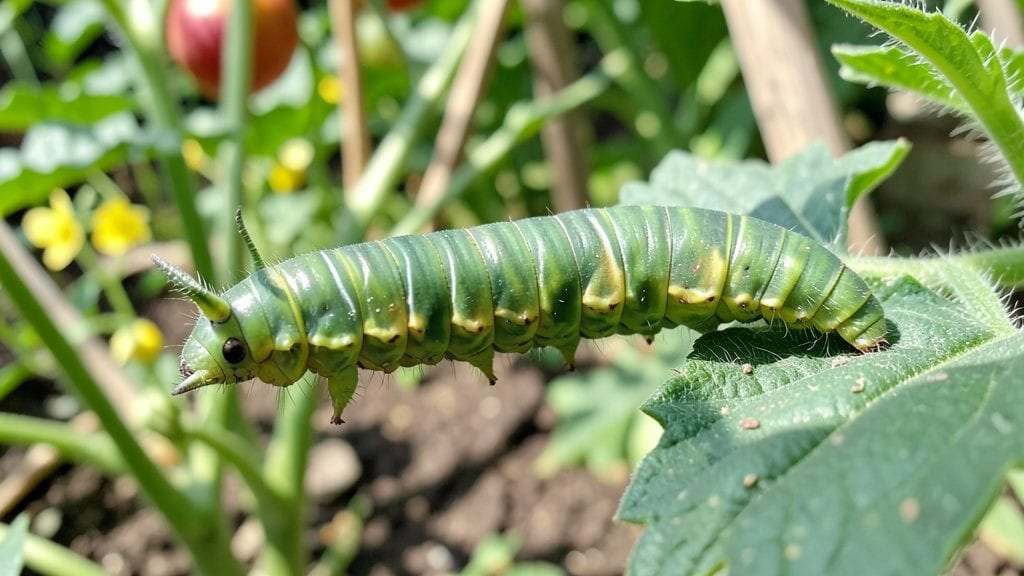
Tomato plant caterpillars can turn your harvest into a skeleton show in days. 🌱 I’ve watched my prize heirloom tomatoes get stripped down to stems faster than you can say "sauce disaster"—but there’s a simple, chemical-free way to stop them without harming your plants or the bees.
The key is a diatomaceous earth barrier—a fine, powdery shield that disrupts caterpillar exoskeletons while keeping your garden safe. You’ll need just one pound for a 10-by-10-foot plot, and it works on hornworms, loopers, and even beetle larvae.
The best part? It’s rain-proof once applied, and you can reuse it all season.
Within 24 hours of treatment, you’ll see caterpillars crawling away (or dropping off dead), and your plants will start recovering. New growth stays protected, and the barrier even deters future pests.
No more sneaking out at dusk with a flashlight to hunt for striped invaders—this method does the work for you.
Works for container tomatoes, raised beds, and in-ground gardens alike. The same approach keeps cabbage worms and tomato fruitworms at bay too. Let’s get your plants back to thriving—without the drama.
What Lures Caterpillars to Tomatoes
Tomato plants are a caterpillar’s dream buffet—juicy, tender, and packed with nutrients. But why do these leaf-munching pests zero in on your garden’s most prized crop? The answer lies in a mix of natural plant chemistry, habitat preferences, and life cycle behaviors.
Understanding these triggers helps you outsmart the invaders before they strike.
Caterpillars, especially species like the hornworm (Manduca sexta) and tomato fruitworm (Helicoverpa zea), are drawn to tomatoes because they’re high in water, sugars, and proteins. Here’s the science:
- Soluble sugars: Ripe tomatoes contain fructose and glucose, which caterpillars detect using taste receptors on their labial palps (mouthparts). Even unripe fruit emits volatile organic compounds (VOCs) that signal "easy feeding."
- Leaf protein: Young tomato leaves are rich in nitrogen, a key building block for caterpillar growth. Studies show larvae grow 30% faster on nitrogen-fertilized plants.
- Volatile odors: Compounds like hexanal and linalool (found in tomato foliage) act as chemical beacons for moths seeking egg-laying sites. Your garden might as well have a neon sign.
Actionable insight: If you notice caterpillars early in the season, check for yellowing leaves—a sign of over-fertilization with nitrogen, which makes plants even more attractive.
Caterpillars don’t just wander randomly—their parents (moths) are highly selective about where they lay eggs. Here’s how they choose:
🌿 Host plant preference (it’s all about the scent)
Moths use olfaction (smell) to locate host plants. Tomato plants emit benzyl alcohol and methyl salicylate, which are irresistible to species like the tomato hornworm moth. Research from Journal of Chemical Ecology found that moths can detect these compounds from up to 3 miles away in ideal conditions.
Why it matters: If your garden is near wild nightshade plants (tomatoes’ relatives), moths will assume your tomatoes are a "safe" food source and double down.
🌙 Moonlight and wind patterns
Moths are crepuscular (most active at dawn/dusk) and use wind-borne pheromones to navigate. If your tomato patch is downwind from other infested gardens, moths will follow the scent trail like a breadcrumb path.
Actionable tip: Plant basil or marigolds near tomatoes—their strong scents can mask tomato odors and confuse moths.
Caterpillars thrive in environments that mimic their natural tropical/subtropical origins. If your garden checks these boxes, you’re rolling out the red carpet:
| Factor | Why Caterpillars Love It | How to Adjust |
|---|---|---|
| Warmth (75–85°F) | Larvae develop 2x faster in heat. Eggs hatch in 3–5 days vs. weeks in cooler temps. | Use shade cloth in peak summer or plant in partial shade. |
| Humidity (60%+) | Prevents desiccation (drying out) in larvae. Ideal for fruitworm survival. | Water deeply in the morning to reduce evening moisture. |
| Shelter (dense foliage) | Hides eggs and larvae from predators (birds, parasitic wasps). | Prune plants for airflow and avoid overcrowding. |
Pro tip: 🌡️ Monitor your garden’s microclimate with a soil thermometer. If temps hit 80°F+, caterpillars will explode in population within weeks.
In nature, caterpillars face a gauntlet of predators—birds, parasitic wasps, ladybugs, and spiders. But in many home gardens, these defenses are missing or overwhelmed. Here’s why:
- Pesticide use: Broad-spectrum sprays kill beneficial insects (like braconid wasps) that lay eggs inside caterpillars, turning them into zombie-like "zombie caterpillars."
- Monoculture planting: Large, single-species tomato patches offer no hiding spots for predators, making it easier for caterpillars to thrive.
- Urban/suburban gardens: Fewer native predator species (like praying mantises) are present compared to wild or diverse farms.
Solution: Introduce predator-friendly plants like dill, fennel, or alyssum to attract ladybugs and lacewings, or hang nesting boxes for swallows.
Natural Ways To Stop Caterpillars
If your tomato plants are under siege by hungry caterpillars, don’t reach for harsh chemicals right away—there are plenty of effective, eco-friendly solutions to protect your harvest. The key is acting fast, using a mix of physical barriers, organic sprays, and preventive tactics to keep these pests at bay.
Below, we’ve broken down the best fixes based on the most common causes of caterpillar infestations.
Caterpillars (like hornworms, loopers, or tomato fruitworms) often start as eggs laid on leaves. Cutting them off before they hatch is the easiest way to win.
🍳 Cover Young Plants with Row Covers
- How it works: Lightweight floating row covers (made of fine mesh) physically block adult moths from laying eggs while still allowing sunlight and water through.
- When to use: Install covers early in the season (before flowers appear) and remove them during pollination if using hand-pollination.
- Pro tip: Secure edges tightly with soil or bricks to prevent moths from sneaking underneath. 💡 For small gardens, use individual plant collars made from mesh or even old pantyhose!
👨🍳 Handpick & Drop Them in Soapy Water
- How it works: Check plants daily (especially in the morning) for caterpillars.
Drop them into a bucket of soapy water—they’ll drown instantly. - Best for: Large caterpillars (hornworms, tomato fruitworms) that are easy to spot. - Pro tip: Wear gloves—some caterpillars (like tomato hornworms) can give a mild sting! 🔥 Do this in the early morning when they’re sluggish.
🥘 Use Diatomaceous Earth as a Dust Barrier
- How it works: Food-grade diatomaceous earth (DE) is a fine powder that dehydrates caterpillars by damaging their exoskeletons.
Sprinkle it lightly around the base of plants and on leaves (avoid overapplying—it can harm beneficial insects). - When to reapply: After rain or watering, as DE loses effectiveness when wet. - Pro tip: Mix DE with talcum powder (1:1 ratio) to improve adhesion and reduce dust. ✨ Best for soil-dwelling caterpillars like cutworms.
If caterpillars are already munching, natural sprays can disrupt their feeding without harming your plants.
🍎 BT (Bacillus Thuringiensis) – The Caterpillar Killer
- How it works: BT (specifically BT kurstaki strain) is a bacteria-based spray that targets caterpillars’ digestive systems, killing them within 24-48 hours.
It’s safe for humans, pets, and beneficial insects. - How to apply: Spray directly on leaves (especially undersides where eggs are laid) every 7-10 days or after rain. - Pro tip: Mix with a bit of dish soap (1 tsp per quart of water) to help it stick better. 🌡️ Works best on young caterpillars—once they’re large, they’re harder to kill.
🥗 Spicy Pepper & Garlic Spray (Hot Defense)
- How it works: A homemade hot pepper spray (blend 1-2 hot peppers, 1 garlic bulb, 1 tsp dish soap, and 1 quart of water) repels caterpillars with its spicy scent.
- How to apply: Strain and spray on leaves and stems every 5-7 days.
- Pro tip: Add a few drops of neem oil for extra pest-deterring power. 🎯 Great for tomato hornworms and loopers.
📊 Neem Oil – Disrupts Feeding & Egg-Laying
- How it works: Neem oil (derived from the neem tree) smothers caterpillars and disrupts their life cycle by preventing eggs from hatching.
- How to apply: Mix 1 tbsp neem oil + 1 tsp mild soap per quart of water, then spray evenly on all plant surfaces (especially undersides of leaves).
- Pro tip: Apply in the evening to avoid harming bees. ⏰ Reapply every 7-14 days or after rain.
The best defense? Stop caterpillars before they arrive.
💡 Attract Beneficial Predators
- Ladybugs, lacewings, and parasitic wasps (like Braconid wasps) love eating caterpillar eggs and larvae.
- How to encourage them:
- Plant dill, fennel, or yarrow near your tomatoes to attract beneficial insects.
- Avoid broad-spectrum pesticides (they kill helpful bugs too!).
🌡️ Rotate Crops & Clean Up Debris
- Caterpillars overwinter in plant debris, so remove old tomato plants and weeds in fall.
- Rotate crops—don’t plant tomatoes in the same spot every year to break pest cycles.
🎯 Plant Resistant Varieties
Some tomato varieties (like ‘Mountain Merit’ or ‘Defiant PhR’) are less appealing to caterpillars due to their stronger foliage or natural compounds.
- Bonus: Interplant with basil, marigolds, or nasturtiums—their scents mask tomato plants from moths.
Final Thought: The key to beating tomato caterpillars is combination defense—use barriers, handpicking, and organic sprays together for the best results. With these methods, you’ll protect your plants naturally and enjoy a bountiful, pest-free harvest! 🍅🚫🐛
Frequently asked questions
What are the most common caterpillars that attack tomato plants?
The top offenders are tomato hornworms (green with white stripes), tomato fruitworms (pale green or brown), and loopers (curved, inchworm-like). These pests can defoliate plants in 24-48 hours if left unchecked. Early detection is key—check undersides of leaves daily.
How do I know if my tomato plants have caterpillar eggs?
Look for tiny yellow or white specks on leaf undersides (about the size of a pinhead). Hornworm eggs are round, while fruitworm eggs are flatter. Shake plants over a white tray—eggs will fall off. Remove them immediately to prevent hatching.
Is diatomaceous earth safe for my tomato plants?
Yes, when used correctly! Food-grade diatomaceous earth is non-toxic to plants and humans but dehydrates caterpillars. Apply a light dusting around stems and leaves (avoid overapplying—it can harm beneficial insects). Reapply after rain, as it loses effectiveness when wet.
Can I use neem oil if I have bees in my garden?
Neem oil is generally safe for bees when applied in the evening (after they’ve returned to hives). Avoid spraying directly on flowers during bloom. For extra bee-friendly protection, combine neem with companion planting (like basil or marigolds) to repel pests naturally.
What should I do if my tomatoes already have holes from caterpillars?
Prune damaged leaves immediately to stop further feeding and apply Bacillus thuringiensis (BT) spray to kill existing larvae. For large holes, use row covers to protect new growth. If fruit is already damaged, harvest what you can—caterpillars rarely eat ripe tomatoes.