Pests
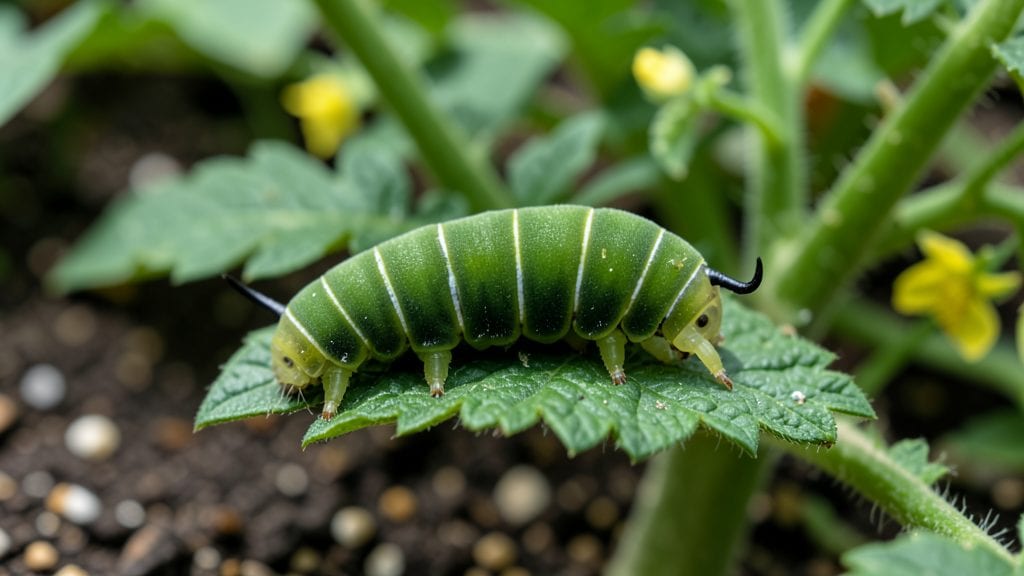
Finding white, C-shaped grubs chewing your tomato roots feels like a betrayal—especially when you’ve nurtured those plants all season. 🌱 I’ve wrestled with cutworms, wireworms, and root grubs in my own garden, and the key is acting fast without poisoning the soil or killing beneficial insects.
The damage starts subtly: wilting leaves, stunted growth, or holes in stems that look like tiny bite marks. By the time you see fruit rot or plants collapsing overnight, the grubs have already moved deeper.
The good news? You can remove them by hand, use targeted organic sprays, or set up barriers before they strike again.
With the right tools—like a flashlight for nighttime hunting or a neem oil spray—you’ll pull those pests out without harming your tomatoes. My plants bounced back stronger after just one treatment, and I’ve kept them grub-free ever since by adding marigolds and keeping the soil healthy.
This method works for cutworms, wireworms, and even Japanese beetle grubs, so you’ll be ready for whatever crawls under your plants. Let’s get those roots safe and your tomatoes thriving again.
The Hidden Invaders Behind Damaged Plants
When your tomato plants start looking ragged—chewed leaves, stunted growth, or even missing stems—you’re likely dealing with soil-dwelling larvae (grubs) that feed on roots and underground tissues.
These tiny troublemakers don’t just appear out of nowhere; their presence is usually tied to specific conditions that create the perfect buffet for them. Let’s break down the real reasons your tomato plants are becoming a grub’s all-you-can-eat salad.
Grubs thrive in moist, oxygen-deprived soil—think of it as their personal spa. When you overwater your tomato plants, you’re not just quenching their thirst; you’re also creating the ideal breeding ground for grubs. Here’s why:
- Oxygen Starvation: Excess water displaces air in the soil, forcing grubs to burrow deeper to find oxygen. This makes them more aggressive in their search for food (aka your tomato roots).
- Fungal Buffet: Waterlogged soil encourages fungal growth, which grubs love to munch on. The fungi weaken the roots, making them easier prey.
- Slow Drainage: Heavy clay or compacted soil holds water like a sponge. Grubs detect these pockets and lay eggs there, knowing their larvae will have a steady food supply.
Actionable Fix: Let the top 2–3 inches of soil dry out between waterings. Use a moisture meter or the "finger test" to avoid soggy conditions. If your soil drains poorly, amend it with compost or perlite to improve aeration.
While compost and mulch are great for plants, too much organic debris (like fallen leaves, grass clippings, or unturned compost piles) can turn your garden into a grub magnet. Here’s the science:
- Adult Beetles Love It: Japanese beetles, June bugs, and other grub parents seek out rich, decaying organic matter to lay their eggs. The more mulch or compost you have, the more likely they’ll choose your garden as their nursery.
- Grubs Hatch Hungry: Once eggs turn into larvae, they instinctively burrow toward the nearest food source—your tomato roots. Organic-heavy soil provides both shelter and sustenance.
- Weakened Roots: Excess organic material can also over-fertilize roots, making them softer and more vulnerable to chewing.
Actionable Fix:
- Keep mulch 3–4 inches thick and at least 6 inches away from the plant stem to reduce egg-laying spots.
- Turn compost piles regularly to disrupt beetle egg-laying.
- Remove fallen leaves and debris weekly from the base of tomato plants.
If your tomato plants are bordered by lawn or grassy areas, you’re unknowingly creating a grub highway. Here’s how:
- Grass = Grub Buffet: Many grub species (like Phyllophaga or May/June beetle larvae) prefer to feed on grass roots first. When they outgrow the grass, they migrate to nearby plants—like your tomatoes—for an easier meal.
- Mowing Spreads Eggs: Lawnmowers can accidentally transport beetle eggs from infested areas to your tomato beds, dropping them right where your plants can’t defend themselves.
- Root Competition: Grass roots compete with tomatoes for nutrients, weakening them and making them more susceptible to grub damage.
Actionable Fix:
- Create a bare soil barrier (6–12 inches wide) around tomato beds to deter migrating grubs.
- Replace grass with gravel or mulch near tomato plants to eliminate food sources for adult beetles.
- If you must mow near tomato beds, collect clippings and dispose of them far from the garden.
Grubs are cold-blooded, meaning their activity levels skyrocket in warm soil. If your tomato patch is in a sunken area, low-lying spot, or covered with black plastic mulch, you’re essentially running a grub incubator. Here’s why heat accelerates the problem:
- Faster Metabolism: Soil temperatures above 70°F (21°C) trigger grubs to feed and grow 2–3 times faster, leading to more damage in less time.
- Eggs Hatch Quicker: Warmth causes beetle eggs to hatch in 10–14 days instead of weeks, giving you a larger infestation sooner.
- Weakened Plant Defenses: Heat stress already weakens tomato plants. Add hungry grubs to the mix, and your plants are defenseless.
Actionable Fix:
- Use light-colored mulch (like straw) to reflect heat and keep soil cooler.
- Avoid planting tomatoes in low-lying or sunken areas where heat and moisture trap.
- Water deeply in the early morning to cool the soil without encouraging fungal growth.
By addressing these root causes (pun intended), you’ll make your tomato plants far less appealing to grubs—and far more resilient to their attacks. The key is disrupting their lifecycle before they even get started!
Beat Back Tomato Plant Grubs Naturally
Discovering grubs munching on your tomato roots can feel like a nightmare, but the good news? You can tackle this problem without harsh chemicals or risking your plants. Below, we’ve mapped out targeted solutions based on the most common causes—so you can act fast and protect your garden.
Plus, we’ll share easy prevention tips to keep grubs away for good.
Grubs (like those from Japanese beetles or June bugs) thrive in moist, nutrient-rich soil. If you’ve spotted chewed roots or wilting plants, these pests are likely the culprits.
🍳 Handpick & Relocate (Best for Small Infestations)
- Go at dawn or dusk when grubs are sluggish and easy to spot.
- Gently sift soil near the base of plants with a small hand trowel or fork—grubs hide 2-4 inches deep.
- Drop them in soapy water (a bowl of dish soap + water) to kill them humanely.
- Alternative: Place grubs in a sealed container and relocate them 10+ feet away from your garden.
👨🍳 Use Beneficial Nematodes (Long-Term Defense)
- What they are: Microscopic worms (Heterorhabditis bacteriophora) that infect and kill grubs naturally.
- How to apply:
- Mix nematodes with water (follow package instructions).
- Water your soil early in the morning or late evening (they die in sunlight).
- Reapply every 4-6 weeks during grub season (spring to fall).
🥘 Add Milky Spore (Preventative Powerhouse)
- Why it works: A natural bacteria (Bacillus popilliae) that targets Japanese beetle grubs.
- How to use:
- Purchase milky spore powder or granules.
- Sprinkle 1-2 lbs per 100 sq ft into soil in early spring or fall.
- Water lightly to activate. Effects take 1-2 years to build up but last decades!
Adult beetles lay eggs in late summer, and grubs emerge in spring. If you catch this early, you can stop the cycle.
🔪 Prevent Egg-Laying with Row Covers
- When to use: Install floating row covers over tomato plants in mid-to-late summer (when beetles are active).
- How it works: Blocks adult beetles from laying eggs while allowing light and water through.
- Pro tip: Secure edges tightly with soil or bricks to deter beetles from crawling underneath.
🌡️ Solarize Your Soil (For Severe Cases)
- Best for: Hot climates (works in temps above 90°F).
- Steps:
- Clear debris from soil.
- Water thoroughly to saturate.
- Cover with clear plastic sheeting (secured tightly).
- Leave for 4-6 weeks—sun heats soil to lethal temps for eggs and grubs.
- Warning: Only do this in dry seasons (won’t work if it rains).
Rich, damp soil is a grub buffet. Adjusting your care routine can make your garden less inviting.
💡 Adjust Watering Practices
- Problem: Overwatering keeps soil too moist, encouraging grub activity.
- Fix:
- Water deeply but less frequently (1-2 inches per week).
- Improve drainage with compost or sand if soil stays soggy.
- Avoid watering late in the day (grubs love humidity).
🔥 Use Grub-Repelling Plants
- Natural deterrents: Plant marigolds, catnip, or tansy near tomatoes—their strong scents confuse beetles.
- Bonus: These plants also repel other pests like aphids!
✨ Apply Diatomaceous Earth (Non-Toxic Barrier)
- How it works: Food-grade DE creates a sharp, abrasive layer that dehydrates grubs.
- How to use:
- Sprinkle a thin layer around plant bases and water lightly to settle.
- Reapply after rain (it loses effectiveness when wet).
- Safety note: Wear a mask when applying to avoid inhaling dust.
An ounce of prevention is worth a pound of cure! Try these habits to protect your tomatoes long-term:
- 🌱 Rotate crops: Avoid planting tomatoes (or other nightshades) in the same spot yearly—grubs return to familiar areas.
- 🍂 Clean up debris: Remove fallen leaves and plant residue in fall (grubs overwinter in organic matter).
- 🐝 Encourage predators: Birds, toads, and ground beetles eat grubs. Attract them with:
- A small birdbath for birds.
- Log piles for ground beetles.
- Shallow dishes of water for toads.
- 🌿 Use neem oil (early season): Spray foliage in late spring to deter adult beetles from laying eggs (reapply every 2 weeks).
With these targeted fixes, you can reclaim your tomato plants without resorting to chemicals. Start with the method that matches your current problem, then layer in prevention tips to keep grubs out for good. Happy gardening! 🍅🌱
Frequently asked questions
What do tomato plant grubs look like?
Tomato plant grubs are usually white or cream-colored with a slightly curved, C-shaped body. They can range from 1/8-inch to 1-inch long depending on their age. Look for them hiding 2-4 inches deep in soil or near roots—you’ll often spot them at dawn or dusk when they’re sluggish.
How do I know if my tomato plants have grubs?
Watch for wilting leaves, stunted growth, or holes in stems—these are classic signs. Dig gently around the base to check for chewed roots or grubs themselves. Another clue? Plants that collapse overnight despite healthy-looking tops.
Are there safe ways to kill grubs without chemicals?
Yes! Try beneficial nematodes (microscopic worms that infect grubs) or milky spore (a natural bacteria). For immediate action, handpick grubs at dawn/dusk and drop them in soapy water. Diatomaceous earth also works—sprinkle it around plant bases (reapply after rain).
Can grubs return next year if I treat them now?
Grubs often overwinter in soil, so prevention is key. Use crop rotation (avoid planting tomatoes in the same spot yearly) and clean up debris in fall. Plant marigolds or catnip near tomatoes—their scents deter egg-laying beetles.
Will birds or other wildlife help control grubs?
Yes! Birds, toads, and ground beetles love eating grubs. Attract them with a birdbath, log piles, or shallow water dishes. Avoid pesticides to keep these natural predators around—your garden’s ecosystem will thank you!