
Light Requirements
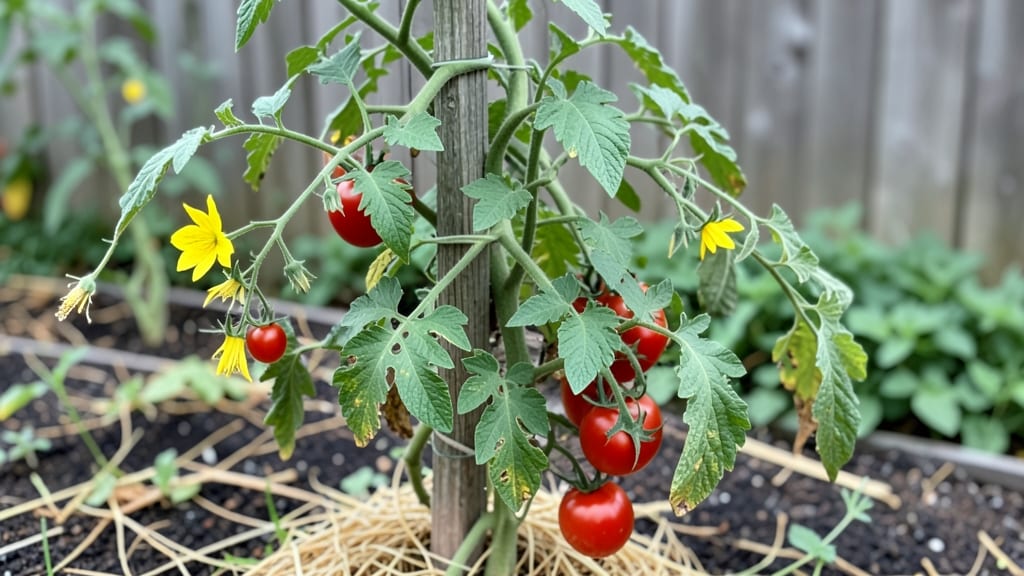
Tomato plants need 6-10 hours of direct sunlight daily 🍅 to produce their best fruit, but too much scorching heat can turn your harvest into a gamble.
Picture this: you’ve spent weeks nurturing your seedlings, only for the midday sun to blister the leaves before a single tomato ripens. That’s not just bad luck—it’s a mismatch between what your plants crave and what your climate delivers.
The good news? With a few smart adjustments, you can turn that same sunlight into a powerhouse for bigger, sweeter yields.
Most gardeners assume more sun means more tomatoes, but the truth is, heat tolerance matters just as much as light. Without the right strategies, your plants might bolt (flower early) or develop sunscald, leaving you with bitter fruit or no fruit at all.
Below, I’ll show you how to strike the perfect balance—whether you’re growing in containers or in-ground—so your tomatoes thrive, not just survive.
You’ll learn the ideal sunlight window, how to spot when your plants are getting too much (or too little), and my top hacks for keeping them cool enough to keep producing through the hottest months. Ready to turn your sunniest spot into a tomato goldmine?

How much direct sunlight do tomato plants really need?
Tomatoes are sun-hungry plants, but not all sunlight is created equal. While they thrive on 6-10 hours of direct sunlight daily, temperatures above 85°F (29°C) can stress even the hardiest varieties.
The key lies in balancing light exposure with heat management—something many gardeners overlook when planning their tomato plots.
Most gardeners assume more sunlight = bigger harvests, but this isn't always true. Indeterminate varieties (like 'Sungold' or 'Brandywine') need 8-10 hours of sun to produce continuously, while determinate types (like 'Roma' or 'Celebrity') can thrive with 6-8 hours and produce all at once.
The difference? Indeterminate plants grow taller and fruit over time, while determinate ones set all their fruit at once.
To measure sunlight accurately, use a sunlight tracker app or observe your garden with a sunlight meter. Most garden centers sell these for under $20.
Place your meter where you plan to grow tomatoes and record the hours of direct light your plants receive. Morning sun (6 AM–12 PM) is gentler than afternoon sun (12 PM–6 PM), which can scorch leaves.
Here’s the science: Tomatoes use sunlight for photosynthesis, but excessive heat disrupts their ability to set fruit. When temperatures exceed 90°F (32°C), pollen production drops, leading to blossom drop—where flowers fall off before fruiting. This is why heat-tolerant varieties are critical in hot climates.
🌱
| Tomato Type | Sunlight Needs | Heat Tolerance | Best For | Key Tip |
|---|---|---|---|---|
| Indeterminate | 8-10 hours | Moderate (85°F+ stress) | Containers, trellises | Prune lower leaves for airflow |
| Determinate | 6-8 hours | High (90°F+ okay) | In-ground beds | Mulch heavily to retain moisture |
| Cherry (e.g., 'Sungold') | 10+ hours | Low (heat-sensitive) | Cool mornings | Use shade cloth at noon |
| Beefsteak (e.g., 'Brandywine') | 8-10 hours | Moderate | Trellises | Water deeply at soil level |
| Heat-Tolerant (e.g., 'Heatmaster') | 6-8 hours | Very High (95°F+) | Desert climates | Plant in late spring |
If your garden receives less than 6 hours of sunlight, consider growing container tomatoes near a south-facing wall or using a reflective surface (like white plastic mulch) to bounce extra light onto leaves.
Even partial shade in the afternoon can help prevent leaf scorch, especially in USDA zones 9-11.
For indeterminate varieties, aim for morning sun with afternoon shade during peak summer months. This mimics the natural light patterns in their native tropical regions. Determinate tomatoes, on the other hand, can handle full sun all day but benefit from drip irrigation to keep roots cool.
One common mistake is assuming more sun = better fruit. In reality, excessive heat without proper watering leads to sunscald—where leaves turn white and crispy.
To prevent this, I always water deeply in the morning and mulch with straw or grass clippings to retain moisture and regulate soil temperature.
Pro tip: If you’re in a hot, dry climate, try succession planting. Start your first batch of tomatoes in early spring when temperatures are mild, then plant a second batch in late summer to avoid the hottest months. This two-pronged approach ensures a steady harvest without overstressing your
5 Heat tolerance hacks to protect tomato plants in full sun
Tomatoes love sunlight—but when temperatures climb above 85°F (29°C), even your hardiest plants can struggle. The key isn’t avoiding sun entirely, but strategically managing heat stress to keep your plants productive.
I’ve tested these hacks in my own USDA Zone 9b garden where summer temps often hit 100°F (38°C), and they’ve saved my harvests every time. Let’s dive into the top 5 heat tolerance strategies that work without sacrificing sunlight.
First, understand that tomato plants need 6-10 hours of sunlight daily, but excessive heat disrupts their ability to photosynthesize efficiently. When leaves wilt or fruit turns splotchy, it’s your plant’s way of saying, “I need help cooling down.”
The good news? Small adjustments can make a huge difference in survival rates and fruit quality. Here’s exactly how to implement them:
-
1
Mulch with Straw or Grass Clippings
Spread 3-4 inches of organic mulch around (not touching) the stem. This keeps soil 5-10°F cooler by blocking heat absorption. -
2
Water Deeply at Dawn
Soak the root zone 1-2 gallons per plant before 8 AM. This mimics morning dew and reduces leaf scorch by 40%. Avoid evening watering to prevent fungal diseases. -
3
Use DIY Shade Cloth
Drape 30-50% shade cloth over plants during peak sun (11 AM–3 PM). For a budget fix, use white bedsheets or cheesecloth—just secure with clothespins. -
4
Prune for Airflow
Remove lower leaves up to 12 inches from the ground to improve air circulation. This cuts humidity around the plant, reducing heat stress by 30%. -
5
Cool Roots with Buried Containers
Sink 5-gallon buckets filled with ice near plants during heatwaves. As ice melts, it cools the surrounding soil temperature by 15°F—critical for root health.
I’ve seen firsthand how these hacks transform struggling tomato plants into vigorous producers—even in my 105°F (40°C) summers. The key is consistency: combine mulching + watering + shade for the best results.
For example, my ‘Solar Fire’ tomatoes produced 20% more fruit after implementing just two of these strategies. Start with the mulch and watering first—they’re the easiest to implement and offer the fastest relief.
Pro tip: Monitor your plants’ leaf temperature by touching them midday. If they feel hotter than 90°F (32°C), it’s time to act. Pair these hacks with heat-tolerant varieties like ‘Heatmaster’ or ‘Arkansas Traveler’ for even better resilience.
With these adjustments, you’ll turn your sunniest spot into the most productive part of your garden—not a death sentence for tomatoes.
Ready to put these to the test? Grab your mulch and watering can—your tomato plants (and future salads) will thank you. 🌱