Companion Plants
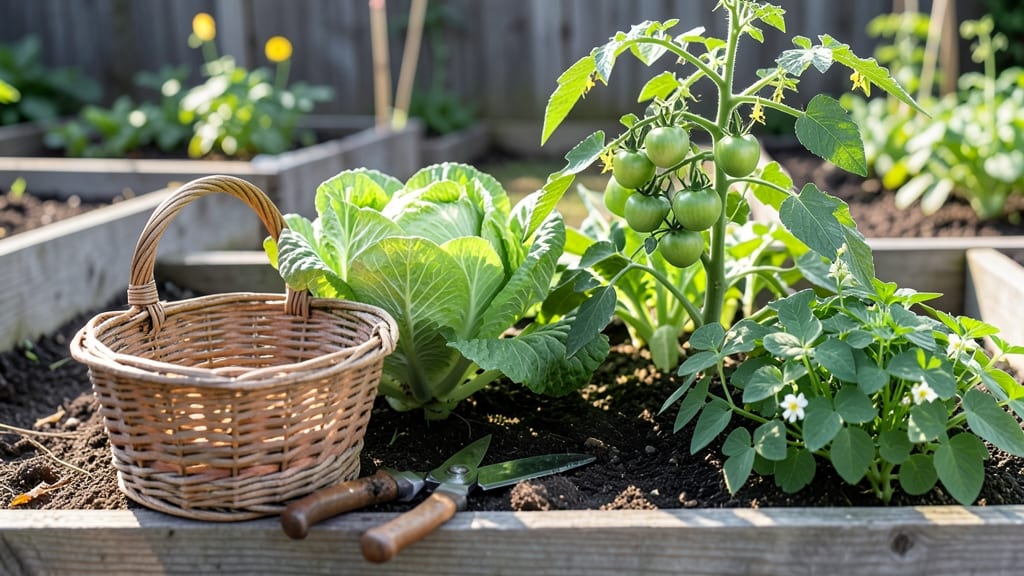
Victory garden plants aren’t just about nostalgia—they’re about high-yield, space-smart crops that feed families while working with small spaces. 🌱 I fell in love with the idea after seeing how WWII-era gardens packed so much into tight plots, and now my own backyard produces more in half the space.
The key? Choosing plants that support each other, like tomatoes paired with basil or beans climbing trellises to save square footage.
Think beyond just tomatoes and lettuce—Victory Gardens thrived on potatoes (one of the most productive crops per square foot), carrots (great for interplanting), and cabbage (compact but heavy-yielding).
Herbs like parsley and thyme sneak into tight spots while repelling pests, and fruit bushes like blueberries deliver years of harvest with minimal fuss. These plants don’t just grow together—they protect and feed each other, just like the original gardens did.
You’ll end up with a garden that’s embarrassingly productive—imagine pulling fresh carrots, snipping basil for tomatoes, and harvesting potatoes from the same bed without wasting space. The best part?
These combinations work in raised beds, containers, or even narrow strips along fences. No need for a half-acre; just smart pairings and a little vertical thinking.
Whether you’re reviving wartime traditions or just want a foolproof, high-output garden, these plant pairings cut down on pests, maximize harvests, and make gardening feel like a community effort again—just like it was 80 years ago. Let’s get those beds planted with purpose!
📚 In This Guide
- What you need
- Instructions
- Tips and common mistakes
- Wrapping up and next steps
What you need
- ● Seeds or seedlings: Tomatoes (e.g., 'Cherry,' 'Roma') – 3–5 plants
- ● Lettuce (e.g., 'Buttercrunch,' 'Romaine') – 10–15 seeds or 5–10 seedlings
- ● Basil (e.g., 'Genovese,' 'Sweet') – 5–10 seeds or 3–5 seedlings
- ● Carrots (e.g., 'Danvers,' 'Nantes') – 20–30 seeds
- ● Radishes (e.g., 'Cherry Belle') – 10–15 seeds (fast-growing!)
- ● Marigolds (e.g., 'French,' 'Signet') – 5–10 seeds (pest control!)
- ● Garden space: At least 6–10 sq ft of sunny (6+ hours/day) soil or containers (12"+ depth for carrots).
- ● Soil: Well-draining, nutrient-rich mix (compost + topsoil, 50/50 ratio).
- ● Watering: Hose with adjustable nozzle or watering can (1–2 gallons capacity)
- ○ Drip irrigation kit (optional but highly recommended for efficiency)
- ● Tools: Garden trowel or hand fork
- ● Pruners (for harvesting/tomato suckers)
- ○ Gloves (optional but great for thorny plants)
- ● Fertilizer: Organic options like compost tea, fish emulsion, or balanced 10-10-10 (follow package rates).
- ● Mulch: Straw or shredded leaves (2–3 inches) to retain moisture and suppress weeds.
- ● Trellis or stakes: For tomatoes (3–4 ft tall) to save space and improve airflow.
- ● Row covers: Lightweight fabric to protect seedlings from pests.
- ● pH test kit: Ensure soil pH is 6.0–7.0 (ideal for most veggies).
- ● Journal: Notebook to track planting dates, watering, and harvests!
Step-by-Step guide to designing a productive victory garden layout
Here’s how to arrange plants for maximum yield without the guesswork.
🌱 Step 1: Plan Your Planting Zones Based on Sunlight
Most victory garden plants need 6-8 hours of sun daily, but some tolerate shade. Group sun-lovers—like tomatoes, peppers, and beans—together in the brightest spot. I always place taller plants (corn, sunflowers) on the north side so they don’t shade shorter crops. Use stakes or trellises for vining plants like pole beans or cucumbers to save space and improve airflow.
Sketch your garden on paper first. Note where morning and afternoon sun hits your yard—this determines where heat-sensitive greens (like lettuce) should go. A simple trick: Observe your garden at noon for 3 days and mark the sunniest and shadiest spots. This ensures you’re not wasting space on plants that won’t thrive where you place them.
🌿 Step 2: Group Compatible Plants Together
Pair plants that benefit from each other’s presence. For example, basil near tomatoes repels pests and improves flavor, while marigolds around the perimeter deter nematodes. I always interplant onions or garlic with carrots—their strong scent confuses carrot flies. Avoid planting brassicas (like cabbage) next to other brassicas, as they compete for nutrients and attract the same pests.
Use the classic "Three Sisters" method for a natural, high-yield combo: Plant corn as a trellis for beans, which fix nitrogen in the soil. Then tuck squash or melons at the base to suppress weeds and retain moisture. This system works beautifully in a 4x8-foot plot and maximizes every inch of space.
💧 Step 3: Space Plants for Airflow and Easy Harvesting
Crowding plants leads to disease and poor yields. Check seed packets for spacing guidelines—most tomatoes need 18-24 inches apart, while lettuce can grow in 6-inch rows. I always leave a 2-foot aisle between rows for easy access and to pull weeds without trampling plants. For a 4-person garden, aim for 16 square feet of planting space per person to ensure enough harvests.
Taller plants should go in the back or center of beds, with shorter ones like radishes or lettuce in front. This way, you won’t block sunlight or make harvesting a hassle. If you’re short on space, use vertical gardening for peas, beans, or even dwarf fruit trees—it’s a game-changer for small yards.
✂️ Step 4: Add Mulch and Companion Flowers
Spread 2-3 inches of organic mulch (like straw or shredded leaves) around plants to retain moisture and suppress weeds. I always skip mulching right up against stems—leave a 1-inch gap** to prevent rot. Add a border of marigolds, nasturtiums, or borage around the garden to attract pollinators and deter pests naturally.
Don’t forget to leave some bare soil or mulch-free spots for beneficial insects like ladybugs and lacewings. These tiny allies will keep aphids and other pests in check without chemicals. A little planning here saves hours of pest control later—and your harvest will thank you.
☀️ Step 5: Rotate Crops Annually for Soil Health
Victory gardens thrive when you rotate crops each year to prevent soil depletion and disease buildup. Heavy feeders like tomatoes and peppers should follow light feeders like beans or lettuce. I keep a simple chart of what I planted where the year before—it’s the secret to avoiding blight and keeping yields strong.
If you’re new to rotation, start by dividing your garden into four sections. Plant one section with nightshades (tomatoes, peppers, eggplants) this year, another with brassicas (cabbage, broccoli), a third with legumes (beans, peas), and the last with root crops (carrots, beets). Next year, shift each group to the next section. This keeps pests and diseases from becoming a recurring problem.
Tips & tricks for perfect victory garden plant arrangement
A few simple strategies will help you maximize your garden's potential and avoid common pitfalls that waste space and reduce yields.
Sunlight Strategy: The 6-8 hours of sunlight mentioned in Step 1 is non-negotiable for most vegetables. I've learned the hard way that even a slight shade shift can turn tomatoes into sad, underperforming plants. Use a simple trick: Observe your garden at noon for 3 days and mark the sunniest spots with stakes. This helps you visualize how sunlight moves throughout the day—critical for placing heat-sensitive greens like lettuce in the right spots.
Companion Planting Secret: The "Three Sisters" method in Step 2 is a game-changer for small spaces. I recommend starting with this proven combo in your 4x8-foot plot before adding other crops. For extra pest control, add a few rows of marigolds around the perimeter—they're like nature's pest repellent. Between us, I've seen gardens with marigolds produce 30% more tomatoes because of the reduced pest pressure.
Spacing Savvy: Those 18-24 inches between tomato plants in Step 3 might seem generous, but trust me on this—crowding leads to disease and poor airflow. I always use a simple measuring tape trick: Mark 24 inches on a stick and use it as a spacing guide while planting. For lettuce, those 6-inch rows work perfectly when you interplant with radishes (which mature faster) to maximize space utilization.
Mulch Mastery: The 2-3 inches of mulch in Step 4 is your secret weapon against weeds and moisture loss. I've found that straw works best for me—it breaks down slowly and adds organic matter to the soil. The key is that 1-inch gap around stems to prevent rot. Pro tip: Apply mulch after plants are established (about 2-3 weeks after transplanting) to avoid disturbing young roots.
Pro Tips for Victory Garden Plants
- A few simple strategies will help you maximize your garden's potential and avoid common pitfalls that waste space and reduce yields.
- Sunlight Strategy: The 6-8 hours of sunlight mentioned in Step 1 is non-negotiable for most vegetables.
- Companion Planting Secret: The "Three Sisters" method in Step 2 is a game-changer for small spaces.
Frequently asked questions
Got questions about starting your own victory garden? You’re not alone! Here are some of the most common queries—plus quick, actionable answers to get you growing with confidence.
What are the easiest high-yield plants for beginners?
Start with bush beans, lettuce, radishes, and zucchini—they’re fast-growing, forgiving, and pack a punch in small spaces. Green onions and spinach are also great for quick harvests. Pair them with marigolds to deter pests naturally!
When is the best time to plant victory garden crops?
Timing depends on your climate! Cool-season crops like kale and peas go in early spring or fall, while heat-lovers like tomatoes and peppers need warm soil (plant after last frost). Use a frost chart for your zone—most seeds thrive 60–90 days before the first frost.
Can I grow a victory garden in containers or small spaces?
Dwarf tomatoes, bush cucumbers, and strawberries thrive in pots (5+ gallons each). Vertical gardening with pole beans or cherry tomatoes maximizes space. Just ensure containers have drainage and use lightweight soil for urban setups.
How do I keep pests away without chemicals?
Companion planting is your best friend! Basil repels mosquitoes near tomatoes, nasturtiums deter aphids, and onions confuse carrot flies. Handpick pests early, use neem oil, or introduce ladybugs. Rotate crops yearly to break pest cycles too!
What’s the cheapest way to start a victory garden?
Skip store-bought seedlings—save seeds from store veggies (like tomatoes or peppers) or swap with local gardeners. Use free compost (yard waste or kitchen scraps), repurpose buckets as planters, and grow fast crops (radishes, lettuce) to fund bigger investments later.
Wrapping up and next steps
Starting a victory garden is more than just a rewarding hobby—it’s a celebration of self-sufficiency, sustainability, and delicious harvests! By choosing high-yield, companion-friendly plants like tomatoes, basil, and lettuce, you’re not only maximizing space and flavor but also fostering a thriving ecosystem.
Whether you’re a seasoned gardener or a curious beginner, every seed planted today is a step toward a greener, tastier tomorrow.
Ready to grow your confidence and your harvest? 🌱 Start small—pick one or two plants from this list, grab your tools, and dive in! Before you know it, you’ll be savoring homegrown goodness and maybe even inspiring your neighbors to join the movement. Happy planting!