
Vegetables
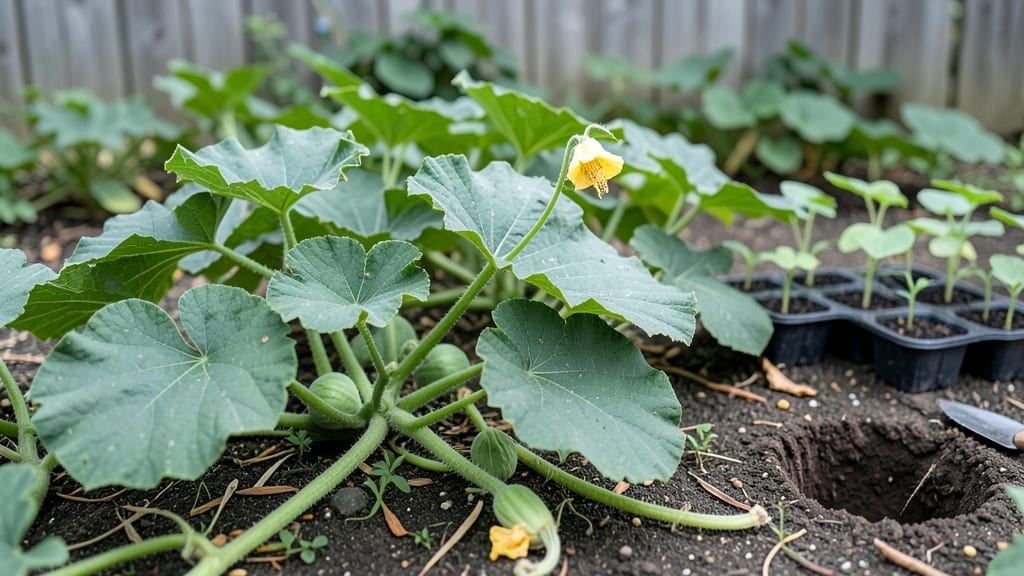
Knowing when to start planting pumpkins is the secret to turning those tiny seeds into football-sized giants by Halloween.
Timing your pumpkin planting perfectly can mean the difference between a few small gourds and a jaw-dropping harvest of jack-o'-lantern-worthy giants—here’s exactly when to plant by your hardiness zone.
In USDA Zone 6a, where spring lingers just a little longer, aim for mid-April to early May when soil temperatures hit at least 60°F. Too early, and frost will nip those delicate seedlings before they even sprout.
Below, I’ll break down the exact frost-free dates for your zone, how to prep soil for maximum growth, and whether you should direct-sow or start seeds indoors for a head start.


Pumpkin planting dates by USDA hardiness zones: avoid frost and maximize growth
Pumpkins thrive in warm weather and need at least 75-100 days to mature—so planting too early or late can ruin your harvest. The key is aligning your last frost date with your pumpkin variety's maturity and ensuring soil temperatures stay above 60°F for consistent germination.
In colder zones, you’ll need to start earlier indoors or use row covers, while warmer zones offer a longer window for direct sowing.
Your USDA hardiness zone determines your ideal planting window. Zones 3-5 face the shortest growing seasons, so you’ll rely on early starts and fast-maturing varieties. Zones 6-8 offer the sweet spot for most gardeners, while zones 9-11 can plant later but must watch for summer heat stress.
Let’s break down the exact timing for each zone, including soil prep tips to give your pumpkins the best start.
🌱 Pro Tip: Always check your local frost-free date—it’s not always the last day of spring! Use the National Weather Service or your cooperative extension service for precise data.
| USDA Zone | Last Frost Date | Ideal Planting Window | Soil Temp Requirement | Notes |
|---|---|---|---|---|
| Zones 3-5 | Mid-May to early June | 2-4 weeks after last frost (late May) | 60°F+ (use black plastic mulch) | Start seeds indoors 3-4 weeks early or use row covers. |
| Zones 6-8 | Mid-April to early May | 2 weeks after last frost (early May) | 60°F+ (warm soil speeds germination) | Direct sow or transplant hardened seedlings. |
| Zones 9-11 | Late February to early March | Late March to early April (avoid summer heat) | 65°F+ (prevents bolting) | Plant in partial shade if summer temps exceed 90°F. |
If you’re in Zones 3-5, your growing season is short, so choose fast-maturing varieties like 'Jack Be Little' (75 days) or 'Small Sugar' (80 days). These can squeeze into your timeline even with a late start.
For Zones 6-8, you have more flexibility—opt for classic carving pumpkins like 'Howden' (90 days) or 'Cinderella' (95 days) for bigger harvests.
In Zones 9-11, summer heat can stress pumpkins, so avoid planting too early. Instead, aim for late March to early April and provide afternoon shade if temperatures exceed 90°F. Varieties like 'Mammoth Melon' (110 days) need extra care but reward you with giant gourds if conditions are right.
One of the biggest mistakes I see is planting pumpkins when the soil is still cold. Even if air temperatures are warm, soil needs to stay above 60°F for 2-3 weeks before planting.
Use a soil thermometer to check—if it’s below 60°F, wait or use black plastic mulch to warm it faster. Cold soil delays germination and weakens seedlings.
For gardeners in Zone 6 or colder, consider transplanting seedlings instead of direct sowing. Start seeds indoors 4-6 weeks before your last frost date, then harden them off before moving outside.
This gives you a 2-week head start on the growing season, which can mean the difference between a small harvest and a bountiful one.
Don’t forget to adjust for microclimates! If your garden sits in a low spot or near water features, frost may linger longer. Conversely, south-facing slopes warm up faster and can extend your planting window by 1-2 weeks. Pay attention to these nuances to fine-tune your timing.
Finally, always account for pumpkin maturity when planning. Most varieties take 90-120 days to harvest, so if your first frost arrives in October, you’ll need to plant by mid-June at the latest in colder zones.
In warmer zones, you can push planting into early July for a fall harvest, but expect smaller fruits due to shorter daylight.
With the right timing, your pumpkins will flourish—just remember: warm soil, full sun, and patience are your best friends for a harvest that’ll make your neighbors green with envy. Happy planting! 🎃
How to calculate your exact pumpkin planting window using frost dates
Getting your pumpkin planting timing right isn’t just about avoiding frost—it’s about giving those sprawling vines enough time to mature before the first fall chill.
Since pumpkins need 75-100 days to reach harvest, your planting window depends on your local frost dates and whether you’re starting seeds indoors or sowing directly outside. Let’s break it down into a foolproof system.
First, find your average last frost date for your USDA hardiness zone. This is the date when temperatures reliably stay above 50°F at night. For example, in Zone 5, this might be mid-May, while in Zone 9, it could be as early as February.
Subtract 100 days from that date to find your ideal planting window—this ensures your pumpkins finish before the first frost.
- 1 Find your last frost date: Check the USDA Plant Hardiness Zone Map or use a local weather service to pinpoint your average last frost date.
- 2 Adjust for pumpkin maturity: Subtract 100 days (for full-size varieties) or 75 days (for smaller types) from your last frost date to find your planting deadline.
- 3 Account for seedling time: If starting indoor seedlings, add 3-4 weeks to your planting window. For direct sowing, wait until soil reaches 60°F and all frost risk has passed.
- 4 Add buffer days: For northern zones, plant 2-3 weeks earlier to account for slower growth. In southern zones, you can plant earlier but watch for heat stress.
- 5 Verify soil warmth: Use a soil thermometer to confirm temperatures are above 60°F—pumpkin seeds won’t sprout in cold soil, no matter how early you plant.
Let’s say you’re in Zone 6, where the last frost is typically May 15. Subtract 100 days (for a standard pumpkin variety), and you’ll land on February 5—but that’s way too early!
Instead, adjust for seedling time and wait until mid-April to start seeds indoors. If you’re direct sowing, wait until late May when soil is warm and frost is gone.
For southern zones (Zones 8-11), you’ve got more flexibility. In Zone 9, where frost is rare, you can plant as early as January for a summer harvest. However, watch for heat stress—pumpkins thrive in warm but not scorching conditions. Use shade cloth during peak summer if needed.
Pro tip: If you’re unsure about your frost dates, use the Almanac’s Frost Calculator or check with your local cooperative extension office. They’ll provide the most accurate data for your area.
Once you’ve nailed down your planting window, mark it on your calendar and prepare your garden beds with compost-rich soil—pumpkins are hungry plants!
Remember, pumpkins hate cold soil. If you plant too early and hit a late frost, your seeds will rot. But if you time it perfectly, you’ll be carving giant jack-o'-lanterns by Halloween—now that’s a harvest worth celebrating! 🎃