
Companion Plants
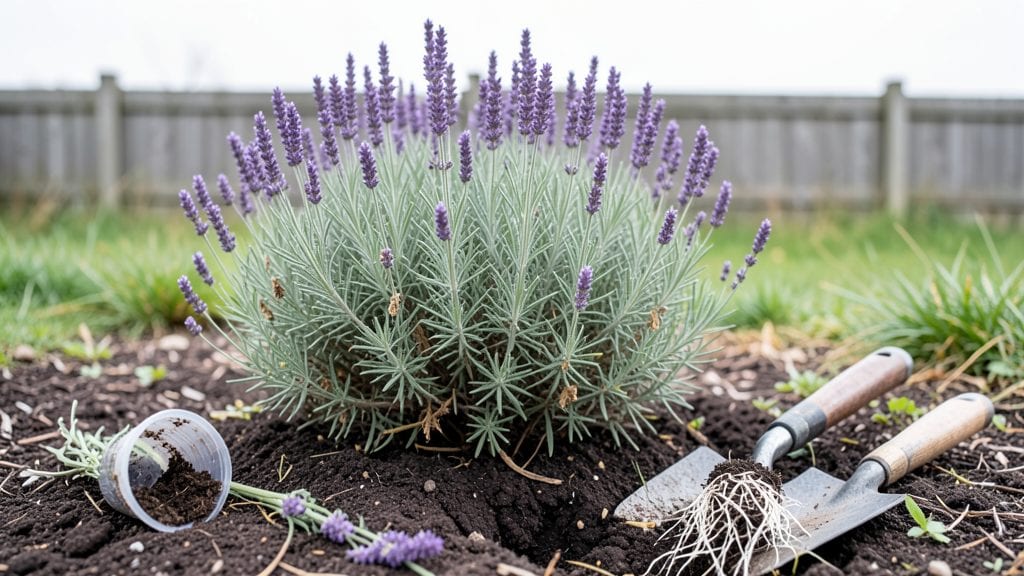
Who plants business? Urban gardeners, small-scale farmers, and eco-conscious entrepreneurs integrate companion planting to maximize space, yield, and sustainability in limited areas. These growers often collaborate with local seed suppliers and community gardens to source non-competing plant varieties and share knowledge.
When you think about who plants business, the picture expands beyond traditional farming. 🌱 Urban gardeners in city rooftops and small-scale farmers in backyard plots are leading this movement, blending science with sustainability.
Companion planting isn't just about growing—it's a strategic approach where plants support each other, like marigolds repelling pests that threaten nearby tomatoes. This method turns limited spaces into productive ecosystems, proving that even small-scale operations can yield big results when done right.
What makes this approach so powerful is the community aspect. Many growers team up with local seed banks and urban farming collectives to access rare, non-competing varieties that thrive together. This collaboration cuts costs and spreads knowledge, making it easier for newcomers to jump in.
Whether you're a city dweller with a balcony or a rural homesteader, the principles of companion planting can transform how you grow—and how you run your business.
💡 In This Article
- Companion Planting Science for Urban Gardens
- Starting a Companion Planting Business: Step-by-Step Guide
Companion planting science for urban gardens
Here's what's actually happening in your garden when you pair plants like basil with tomatoes or marigolds with peppers: these combinations create ecological relationships that mimic natural ecosystems.
The basil, for example, releases compounds like eugenol and citronellol that mask the scent of tomato plants—confusing pests like hornworms that rely on smell to find their hosts.
Marigolds take this further by emitting alpha-terthienyl, a chemical that repels nematodes while attracting beneficial insects like ladybugs that prey on aphids. 🌿 These interactions aren't just random; they're rooted in centuries of agricultural observation and modern phytochemistry studies showing how plant volatiles (chemical signals) can alter both pest behavior and soil microbial activity.
The nutrient-sharing aspect works through mycorrhizal fungi networks that connect plant roots. When you plant beans with corn, for instance, the beans fix atmospheric nitrogen (about 100-200 pounds per acre annually) through root nodules, making it available to the corn.
This symbiotic relationship reduces the need for synthetic fertilizers by up to 30-50% while improving soil structure. The physical spacing also matters—tall plants like sunflowers provide shade that conserves moisture, while shallow-rooted herbs prevent soil compaction.
In urban settings where space is limited, these vertical relationships maximize every square inch while creating microclimates that extend growing seasons by 2-4 weeks in some cases.
What most people don't realize is how these plant partnerships affect soil health at a microbial level. The roots of companion plants release different exudates that feed specific soil bacteria—like the actinomycetes that produce streptomycin, a natural antibiotic.
When you plant garlic near roses, for example, the garlic's allicin compounds suppress fungal diseases while stimulating beneficial bacteria that break down organic matter 20-30% faster.
This microbial boost creates a feedback loop where healthier soil supports stronger plants, which in turn produce more beneficial compounds. 🌱 The result is a self-sustaining system that requires fewer inputs while delivering higher yields in confined spaces.
Consider these key factors when designing your urban planting scheme:
- Pest deterrence: Strong-scented plants (mint, lavender) disrupt insect communication, while trap crops (nasturtiums) lure pests away from main crops
- Nutrient cycling: Legumes add nitrogen; comfrey accumulates potassium and calcium in its leaves for composting
- Space efficiency: Three-sister method (corn, beans, squash) uses vertical and horizontal space optimally in 4x4 foot plots
- Pollinator support: Aster family plants (like coneflowers) attract bees while repelling Japanese beetles
The science becomes especially valuable when you consider urban constraints. In containers, for example, the root competition between plants is more intense, so you need combinations where shallow roots (basil) pair with deep roots (carrots).
The temperature factor also plays a role—some companion relationships (like cucumbers and radishes) work best when daytime temperatures stay between 65-75°F, while others (kale and onions) thrive in cooler 50-60°F ranges. This precision is what turns companion planting from art into science for urban growers working with limited resources.
What might surprise you is how these principles extend beyond food production. Ornamental gardens using companion planting techniques show 40% fewer pest issues and require 25% less water than conventional plantings.
The sensory benefits are also significant—herbs like thyme and rosemary planted near vegetables mask their scent while releasing aromatic compounds that improve the flavor of nearby crops.
This is why many urban farmers report their homegrown tomatoes taste more complex when grown with basil, even when using the same soil and water.