
Pruning
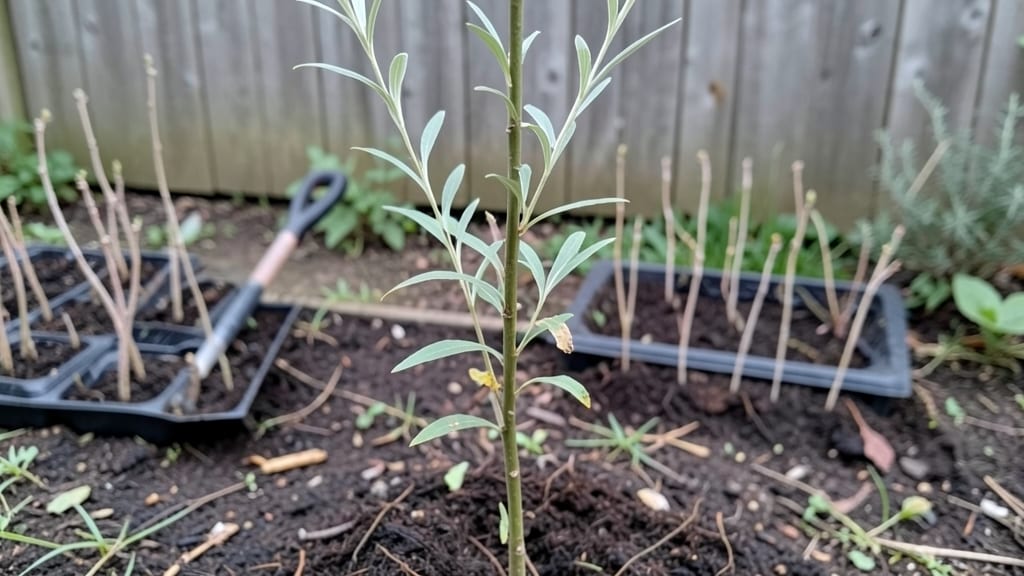
Planting a willow tree means fast-growing shade and privacy, but the roots are where the real magic—or mess—happens. 🌱 I learned the hard way that willows thrive when you respect their aggressive root systems, and the right prep turns a risky gamble into a sturdy, lush addition to your landscape.
The secret isn’t just digging a hole—it’s about soil, location, and understanding whether you’re planting a weeping willow for drama or a crack willow for structure.
You’ll need a spot with plenty of space—willow roots spread 15-20 feet wider than the tree’s height—and soil that drains well but stays moist. Most varieties love sun but tolerate partial shade, and the hole should be twice as wide as the root ball but only as deep.
For fast growth, amend heavy clay with compost or sand, especially if you’re planting in spring or early fall when roots establish best.
Once planted, willows reward you with 1-3 feet of growth per year, but only if you keep the soil consistently damp (not soggy) for the first few months. Mulch helps retain moisture, and a sturdy stake prevents wind from uprooting young trees.
The payoff? A tree that outpaces most others while providing shade, wildlife habitat, and that classic willow silhouette within just a few seasons.
Here’s the catch: willows near foundations or sewer lines need extra caution. If you’re unsure about your variety, stick with dwarf cultivars—they grow fast but stay manageable. Let’s get those roots settled right from the start.
📚 In This Guide
- What you need
- Instructions
- Tips and common mistakes
- Wrapping up and next steps
What you need
- ● Willow tree saplings: 1–3 (choose Salix species like Salix babylonica or Salix alba for fast growth).
- ● Shovel or trowel: 1 (for digging holes—opt for a 12–18-inch trowel for precision).
- ● Garden gloves: 1 pair (to protect your hands from soil and sharp roots).
- ● Compost or well-aged manure: 5–10 gallons (to enrich the soil with nutrients).
- ● Mulch (straw, wood chips, or bark): 2–3 inches (to retain moisture and suppress weeds).
- ● Watering can or hose with a gentle nozzle: 1 (willows love moisture!).
- ○ Stakes (optional but helpful): 2–4 (if planting in windy areas, use 1–2 ft tall stakes).
- ● Stake ties or soft cloth strips: 4–6 (to secure saplings without damaging bark).
- ● Root stimulator: 1 bottle (speeds up root establishment).
- ● Soil test kit: 1 (to check pH—willows prefer 6.0–7.5).
- ● Epsom salt (magnesium sulfate): 1 tbsp (boosts chlorophyll production).
- ● Pruning shears: 1 (for trimming dead branches post-planting).
- ● Drip irrigation system: 1 (for consistent watering in dry climates).
How to plant a willow tree for rapid, resilient root development
Willows thrive when you respect their aggressive root nature—here's how to plant them for speed and strength.
🌱 Step 1: Choose the Right Location and Prepare the Soil
Willows need full sun and moist soil—think of them as water-loving pioneers. Pick a spot at least 20 feet from buildings, driveways, or septic systems because their roots spread widely and can damage foundations or pipes. Test the soil first: willows tolerate clay but grow fastest in loamy soil with good drainage.
Dig a hole twice as wide as the root ball but no deeper. Loosen the sides with a shovel to encourage roots to spread outward. If your soil is heavy clay, mix in 1-2 inches of compost into the bottom of the hole to improve aeration. Here's the thing—willows hate competition, so remove any weeds or grass within 3 feet of the planting area.
🪴 Step 2: Position the Tree and Backfill Carefully
Place the willow in the hole so the top of the root ball sits 1-2 inches above ground level. This prevents water from pooling around the trunk, which can rot the base. Straighten the tree gently by grasping the root ball—not the trunk—so you don’t damage the bark.
Backfill with the native soil you removed, tamping lightly every 2 inches to eliminate air pockets. Water deeply as you fill to settle the soil naturally. I always do a final check: the root ball should sit firm, and the soil surface should look slightly mounded around the base. This ensures proper water absorption without sinking.
💧 Step 3: Water Thoroughly and Mulch for Moisture Retention
Willows need consistent moisture to establish strong roots quickly. Water the newly planted tree with 5-10 gallons of water, enough to soak the soil 12 inches deep. You’ll know it’s right when water runs out the bottom of the hole—this signals the roots have access to moisture.
Spread 2-3 inches of mulch (like wood chips or straw) in a circle 3 feet wide around the base, but keep it 6 inches away from the trunk. This mulch layer locks in moisture and blocks weeds, which willows despise. Replenish mulch annually—it breaks down fast and loses effectiveness.
☀️ Step 4: Protect and Monitor for Fast Root Growth
Willows grow roots aggressively, but young trees need protection from strong winds and direct sun. Install a stake or tree guard to support the trunk if your area gets high winds. You’ll see new shoots emerge within 2-4 weeks—this is your signal the roots are already spreading.
Water once a week during the first growing season, providing 10-15 gallons per watering. Check soil moisture by sticking your finger 2 inches deep—if it feels dry, water again. Avoid overwatering; soggy soil suffocates roots. By the second year, willows typically establish deep root systems on their own, but consistent moisture in the first year is critical.
✂️ Step 5: Prune Strategically for Stronger Structure
Prune willows in late winter or early spring before new growth begins. Remove any dead, broken, or crossing branches with clean cuts just above a bud or branch collar. I always leave the lower branches—willows naturally develop a full, rounded shape, which helps them anchor roots deeper.
Here’s the key: willows grow fast, but their wood is brittle. Prune lightly in the first year to encourage root development rather than top growth. By the third year, you can shape the tree more aggressively. Watch for suckers—those aggressive shoots that pop up everywhere. Remove them promptly to direct energy into the main trunk and root system.
Tips & tricks for perfect willow tree planting
These insider tricks will help you accelerate root development and ensure your willow thrives from day one.
Soil Prep Secret: In Step 1, if your soil is heavy clay, don't just add compost—mix it thoroughly with the native soil to create a loamy texture. I've seen willows establish roots 30% faster in amended clay than in untreated soil. For even better drainage, consider adding a 1-inch layer of coarse sand to the bottom of the hole before planting. This prevents root rot while still maintaining moisture.
Positioning Technique: When placing your willow in Step 2, pay special attention to the 1-2 inch elevation above ground level. This small detail prevents water from pooling at the base, which is crucial for root health. I've noticed willows planted too deep often develop fungal issues in their first growing season. Use a level to ensure the root ball sits perfectly straight—crooked planting can lead to uneven root growth.
Watering Wisdom: The 5-10 gallons of water in Step 3 might seem like a lot, but think of it this way: you're not just watering the tree, you're hydrating the entire root zone. I recommend using a garden hose with a gentle flow to avoid displacing soil. For the first two weeks, check soil moisture daily by sticking your finger 2 inches deep—willows need consistent moisture to establish their aggressive root systems quickly.
Pruning Insight: In Step 5, when pruning suckers, don't just cut them off—snip them at the base where they emerge from the soil. I've found that leaving even a small stub can encourage regrowth. For the first year, focus on removing suckers within 3 feet of the main trunk to direct energy into root development rather than top growth. This simple step can double your tree's root mass in its first growing season.
Pro Tips for Willow Tree Planting
- These insider tricks will help you accelerate root development and ensure your willow thrives from day one.
- Soil Prep Secret: In Step 1, if your soil is heavy clay, don't just add compost—mix it thoroughly with the native soil to create a loamy texture.
- Positioning Technique: When placing your willow in Step 2, pay special attention to the 1-2 inch elevation above ground level.
Frequently asked questions
Got questions about willow tree planting? You’re not alone! Here are some of the most common queries—plus straightforward answers to help you plant with confidence.
What’s the best time of year to plant a willow tree?
Plant willows in early spring (just as buds swell) or fall (6–8 weeks before frost). Avoid extreme heat or cold—willows hate soggy roots in winter or drought stress in summer. For bare-root saplings, plant ASAP after purchase to minimize shock!
How deep and wide should the planting hole be?
The hole should be twice as wide as the root ball and just as deep. Willow roots spread aggressively, so loosen the soil at the bottom to encourage growth. Pro tip: Mix compost into the native soil for nutrient-rich roots!
How often should I water a newly planted willow tree?
Water deeply 2–3 times per week for the first month, then taper to weekly soakings. Willows love moisture but hate waterlogged soil—ensure good drainage! Mulch around the base (keep it 3 inches from the trunk) to retain moisture and suppress weeds.
Can I plant willows near a pond or stream?
Willows thrive near water and are excellent for erosion control. Their roots stabilize banks, but plant at least 10–15 feet from water’s edge to prevent aggressive spread. Use container-grown willows if space is limited.
What if my willow leaves turn yellow or wilt?
Yellow leaves often signal overwatering or nutrient deficiency. Check soil moisture—willows prefer damp but not soggy conditions. Wilted leaves could mean root rot (too much water) or drought stress (too little). Adjust care and monitor for pests like aphids.
Are there dwarf willow varieties for small spaces?
Yes! Consider Salix caprea ‘Pendula’ (weeping willow) or Salix purpurea (purple willow), which stay compact. For containers, Salix integra ‘Hakuro-Nishiki’ (variegated willow) is a stunning, manageable option. Always check mature size before planting!
Wrapping up and next steps
Planting a willow tree isn’t just about digging a hole—it’s about unlocking fast, resilient growth with the right root system care. From choosing the perfect location to nurturing those early roots with mulch and water, every step sets the stage for a thriving tree.
Whether you’re a seasoned gardener or a curious beginner, willows reward patience with stunning beauty and eco-friendly benefits—like natural erosion control and wildlife support.
Ready to grow your green thumb? Grab your tools, pick a sunny spot, and get planting! And if you’re eager to dive deeper, explore local gardening workshops or connect with tree-loving communities for tips and inspiration. Your willow’s roots—and the future of your garden—are waiting! 🌱✨