
Planting
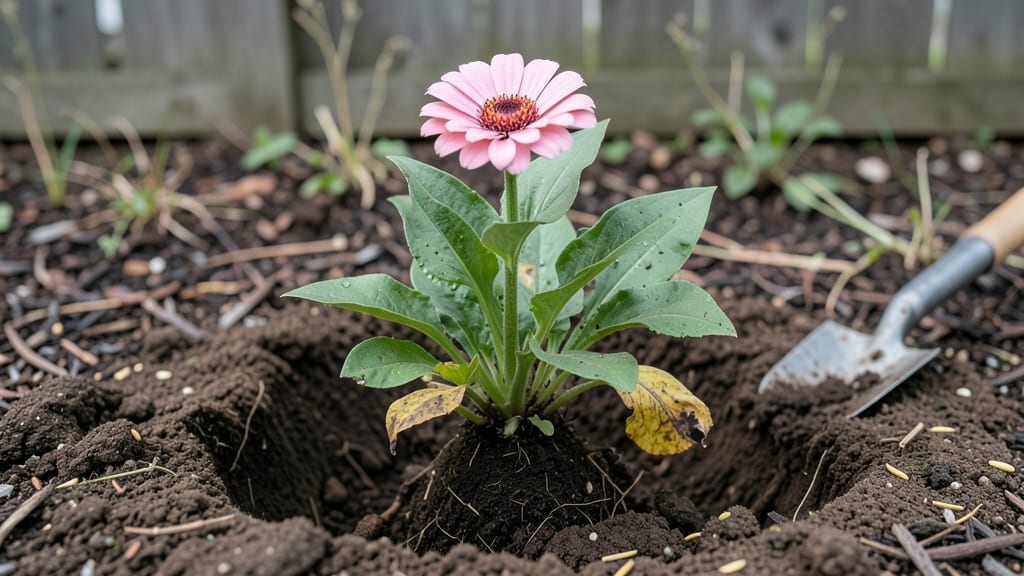
Master these zinnia planting tips to coax bold, long-lasting blooms from seed—just like the florist’s, if you nail the timing and soil secrets. I’ve learned the hard way that skipping these steps means leggy stems and short-lived flowers, but once you nail the basics, zinnias practically grow themselves.
The secret starts with a sunny spot that gets at least 6-8 hours of light daily—zinnias won’t tolerate shade, and they’ll tell you by stretching toward the sun like teenagers reaching for the last cookie.
Start seeds indoors 6-8 weeks before your last frost or sow directly in warm soil when nighttime temps stay above 50°F. The soil mix should be light and well-draining—amend heavy clay with compost to prevent soggy roots, which is zinnias’ biggest enemy.
Space dwarf varieties 6-8 inches apart and giant types 12-18 inches to avoid crowding, or you’ll end up with a jungle of stems and few flowers.
Water gently at the base to keep foliage dry, and watch for those first velvety green leaves—that’s your cue they’re off to a strong start.
📚 In This Guide
- What you need
- Instructions
- Tips and common mistakes
- Wrapping up and next steps
What you need
- ● Zinnia seeds: Choose heirloom or hybrid varieties (e.g., Benary’s Giant, Profusion). Buy enough for your desired quantity—1–2 packets (50–100 seeds) covers ~10–20 plants.
- ● Well-draining potting mix or garden soil: 1–2 bags (1–2 cubic feet) for containers; enrich garden beds with 2–3 inches of compost.
- ● Organic fertilizer (5-10-10 or balanced): 1–2 cups to mix into soil or use as a starter dose.
- ● Watering can or hose with a gentle nozzle: For even moisture without disturbing seeds.
- ○ Gloves (optional but recommended): Protects hands from soil and prickly stems.
- ● Trowel or hand shovel: For digging small holes (¼-inch deep) or mixing soil.
- ○ Plant labels (optional): Mark varieties if growing multiple types.
- ● Mulch (straw or shredded leaves): 1–2 inches to retain moisture and suppress weeds.
- ● Spray bottle (for seedlings): Light misting keeps seeds moist until germination.
- ● Sunny spot: 6+ hours of direct sunlight daily—zinnias thrive in full sun!
- ● Warm soil: Wait until after the last frost (soil temp ≥ 55°F) for direct sowing.
- ● Drainage check: Ensure no standing water—zinnias hate soggy roots!
Instructions for planting zinnias in sunny spots
Here's how to get vibrant zinnias thriving in your garden with minimal fuss.
Choose the Perfect Planting Location
Zinnias demand full sun to bloom their best, so pick a spot that receives at least 6 hours of direct sunlight daily. I always check my garden's sun exposure for a full week before planting—morning sun paired with afternoon shade works, but avoid areas where afternoon shade cuts sunlight short. The soil should also drain well; zinnias hate soggy roots, so raised beds or slopes are ideal if your yard tends to stay damp.
Test your spot by placing a white plate in the ground where you plan to plant. If it stays cool to the touch after a sunny afternoon, the area gets too little light. Once you find the right place, loosen the top 6 inches of soil with a garden fork to improve drainage and root penetration. This ensures your zinnias won't struggle to establish themselves.
Prepare the Soil for Healthy Growth
Zinnias aren't picky about soil type, but they do best in loose, well-draining soil with a slightly acidic to neutral pH. Work in 2-3 inches of compost into the top layer of soil to boost fertility and improve texture. I like to mix it in until the soil looks dark and crumbly—this helps roots spread easily without compacting.
If your soil is heavy clay, add a handful of perlite or coarse sand per planting hole to prevent waterlogging. Avoid over-fertilizing; zinnias grow best with moderate nutrients. A light sprinkle of 5-10-10 fertilizer at planting time gives them a gentle boost without encouraging too much leafy growth at the expense of flowers.
Plant Seeds at the Right Depth and Spacing
Sow zinnia seeds ¼ inch deep, pressing them lightly into the soil rather than burying them. Zinnia seeds need light to germinate, so covering them too deeply delays sprouting. Space seeds 12-18 inches apart for single-stemmed varieties or 6-8 inches apart for bushier types like 'Profusion' or 'Benary's Giant'. I plant seeds in small clusters to create fuller blooms later.
Water gently after planting to settle the soil around the seeds. Keep the area moist but not soggy until germination, which typically takes 7-14 days. If you're planting in warmer weather, mulch lightly with straw to retain moisture and keep soil temperatures stable. Avoid heavy mulch, as zinnias prefer cooler roots.
Provide Consistent Care for Long-Lasting Blooms
Once zinnias sprout, thin seedlings to the desired spacing to give each plant room to grow. Pinch back the tips of young plants when they reach 4-6 inches tall to encourage bushier growth and more flowers. This step is key—without pinching, zinnias grow tall and leggy with fewer blooms.
Water at the base of the plant in the morning to keep foliage dry, reducing the risk of fungal diseases like powdery mildew. Let the top 1-2 inches of soil dry out between waterings—zinnias are drought-tolerant once established, but they need steady moisture during their first few weeks. Deadhead spent blooms regularly to encourage continuous flowering throughout the season.
Tips & tricks for perfect zinnia planting
A few simple strategies will help your zinnias thrive and keep blooming all season long.
Sunlight Verification: The 6 hours of direct sunlight mentioned in Step 1 is non-negotiable for vibrant blooms. I've learned the hard way that partial shade spots can produce leggy plants with fewer flowers. Use a solar tracker app for a week to confirm your spot gets the full sun exposure zinnias crave before planting.
Soil Preparation Secret: When mixing in the 2-3 inches of compost as instructed, don't just sprinkle it on top. Work it into the top 6 inches of soil to create a loose, crumbly texture that roots can easily penetrate. This is especially important if you're planting in heavy clay soil where drainage becomes critical.
Germination Timing: The 7-14 day germination window can feel like an eternity, but there's a trick to speed things up in cooler weather. After planting seeds ¼ inch deep, cover the area with clear plastic wrap to create a mini greenhouse effect. Remove it once sprouts appear to prevent mold. This can cut germination time by about 3 days.
Pinching Technique: When you reach Step 4 and need to pinch back plants at 4-6 inches tall, use your thumb and forefinger to gently pinch just above a set of leaves. This encourages bushier growth and more flowers. I always pinch at a 45-degree angle to create a cleaner cut that heals faster and reduces disease risk.
Pro Tips for Zinnia Planting Tips
- A few simple strategies will help your zinnias thrive and keep blooming all season long.
- Sunlight Verification: The 6 hours of direct sunlight mentioned in Step 1 is non-negotiable for vibrant blooms.
- Soil Preparation Secret: When mixing in the 2-3 inches of compost as instructed, don't just sprinkle it on top.
Frequently asked questions
Got questions about growing zinnias? You’re not alone! Here are answers to the most common queries to help you cultivate vibrant blooms with confidence.
When is the best time to plant zinnias?
Zinnias thrive when planted after the last frost in spring, once soil temperatures reach at least 50°F (10°C). For a longer bloom season, you can also sow seeds in late summer (8–10 weeks before your first frost). Start indoors 4–6 weeks before transplanting if your growing season is short.
How long does it take for zinnias to grow and flower?
From seed, zinnias typically sprout in 7–14 days and bloom in 60–70 days, depending on the variety. Dwarf types may flower faster (as early as 45 days), while tall varieties take slightly longer. Pinch back young plants to encourage bushier growth and more flowers!
What should I do if my zinnias attract pests like aphids or Japanese beetles?
Stay proactive! Spray plants with a soapy water solution (1 tsp mild soap per quart of water) to deter aphids. For Japanese beetles, handpick them early in the day or use row covers. Neem oil or pyrethrin-based sprays (organic options) can also help. Healthy, well-watered zinnias are less appealing to pests!
Can I grow zinnias in containers or do they need a garden bed?
Zinnias adapt well to containers—just use pots at least 6–12 inches deep with drainage holes. Choose dwarf varieties like ‘Thumbelina’ for smaller spaces. Ensure the container gets 6+ hours of sunlight daily and use a balanced fertilizer (like 10-10-10) every 3–4 weeks for optimal growth.
How often should I water zinnias, and do they need much?
Water zinnias deeply 1–2 times per week, aiming for 1 inch of water. Let the soil dry slightly between waterings to prevent root rot. Morning watering is best—it reduces fungal risks and keeps blooms dry. Mulch around the base to retain moisture and keep roots cool.
Pro Tip for Extra-Long Blooms
Deadhead spent flowers (snip or pinch off faded blooms) to encourage non-stop flowering! This redirects the plant’s energy to producing new buds instead of seeds. Bonus: It keeps your zinnias looking fresh and tidy all season.
Wrapping up and next steps
With the right zinnia planting tips, you’re well on your way to a vibrant, low-maintenance garden bursting with color! 🌸 Remember, these cheerful blooms thrive in sunny spots, well-draining soil, and consistent care—whether you’re sowing seeds directly or transplanting seedlings.
The key is patience and a little attention to their needs, and soon, you’ll be rewarded with weeks of stunning flowers.
Ready to get growing? Start by marking your sunny patch today—grab your seeds, follow the steps, and enjoy the process. Happy planting, and may your garden be as bright as a zinnia in full bloom! 🌞