
Pruning
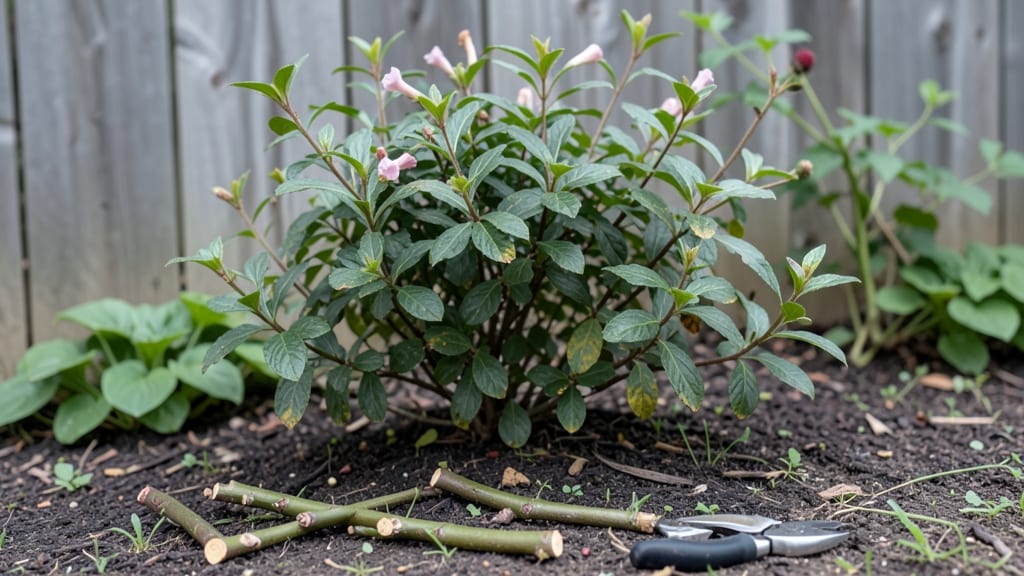
Pruning abelia plants transforms floppy, leggy shrubs into neat, blooming powerhouses—and it’s simpler than you think. 🌿 I’ve pruned abelias for years, and once you master these four cuts, your plant will reward you with dense foliage and nonstop flowers from spring to fall.
The key isn’t timing as much as knowing where to cut and when to stop.
You’ll need just three tools: sharp pruning shears, gloves (abelias have thorny stems), and a clean cloth to wipe sap off your hands. The best time to prune is late winter or early spring, but you can also trim lightly after blooms fade to encourage a second flush.
Most people over-prune—abelias thrive when you remove no more than 25% of the plant in one session.
Start by cutting back overgrown branches to just above a leaf node or bud, then shape the shrub by thinning out crowded stems at the base. The result? A bush that stays compact, vibrant, and covered in blooms instead of sprawling and sparse.
I’ve seen abelias go from sad and scraggly to showstopping in just one growing season.
This method works for both upright and trailing abelias, whether you’re shaping a hedge or letting it spill over a container. The secret is patience—abelias respond best to gradual pruning rather than drastic cuts. Ready to give your plant a fresh start?
📚 In This Guide
- What you need
- Instructions
- Tips and common mistakes
- Wrapping up and next steps
What you need
- ● Pruning shears: Bypass pruners (sharp, clean, and designed for clean cuts on stems up to ½ inch thick). Quantity: 1 pair.
- ● Loppers: For thicker branches (½ to 1½ inches). Quantity: 1 pair (if your Abelia has mature growth).
- ○ Hand saw: Pruning saw with a fine-toothed blade for larger, woody stems. Quantity: 1 (optional but helpful for older plants).
- ● Disinfectant: Rubbing alcohol (70% isopropyl) or a commercial pruning sealant to sterilize tools and prevent disease spread. Quantity: Small bottle.
- ● Gloves: Garden gloves (thick, cut-resistant) to protect your hands from thorns and sap. Quantity: 1 pair.
- ● Trash bag or bucket: For collecting pruned branches. Quantity: 1-2 (depending on plant size).
- ○ Marking twine or tape: (Optional but useful for tagging branches to remove later if needed). Quantity: Small roll.
- ● Pruning paint/sealant: To coat larger cuts and prevent disease entry. Quantity: Small bottle.
- ● Knee pad or stool: For comfort if your Abelia is tall or ground-level pruning is needed.
- ● Notebook & pen: To jot down notes on pruning decisions or plant health observations.
- ● Plant food/fertilizer: A balanced slow-release fertilizer (e.g., 10-10-10) to nourish your Abelia post-pruning.
How to prune abelia for year-round lushness
Four easy cuts keep your abelia thriving—no complicated techniques needed.
✂️ Step 1: Prune Dead or Diseased Wood in Late Winter
Start with clean tools—sterilize your pruners with rubbing alcohol before you begin. Look for branches that are brown, mushy, or hollow when you cut them open. These are dead or diseased and need immediate removal. I always prune these first because they can spread problems to healthy wood.
Make your cuts just outside the branch collar—the swollen area where the branch meets the stem. This helps the plant heal faster. You’ll know you’re in the right spot when you see a slight bump at the base of the branch. Use sharp pruners to avoid tearing the bark.
✂️ Step 2: Lightly Shape in Early Spring
Once new growth appears, it’s time for a gentle shape-up. Abelia blooms on both old and new wood, so don’t cut back more than one-third of the plant at once. Focus on removing any crossing branches or those growing inward—they rub against each other and create wounds.
Step back and look at your abelia from all sides. You’re aiming for an open center that lets air and light reach the inner branches. Trim just above a leaf node (the bump where leaves grow) to encourage new growth in the right direction. This is where you’ll see the most dramatic improvement in shape.
✂️ Step 3: Deadhead After Flowering
When your abelia finishes blooming—usually in late summer—it’s time to tidy up. Pinch or cut off spent flowers just above the next set of leaves. This encourages the plant to put energy into new growth rather than seed production. I always do this on a dry morning when the flowers are fully faded.
Use clean fingers or small pruners for this step—no need for heavy-duty tools. The goal is to keep the plant looking neat while promoting more flowers next season. You’ll notice fresh new buds forming within a few weeks if you’ve done it right.
✂️ Step 4: Renew Old Growth in Late Fall
In late fall, after the first frost but before winter sets in, take a moment to rejuvenate your abelia. Look for branches that are three years old or older—they’ll be thicker and less flexible than the newer growth. These can be cut back to encourage younger, more vigorous stems.
Make your cuts just above a leaf node or outward-facing bud. This prevents the plant from growing inward and keeps it fuller. You’ll see new shoots emerge in spring from these strategic cuts. This is the step that keeps your abelia looking youthful for years to come.
Tips & tricks for perfect abelia pruning
These simple tricks will help you keep your abelia looking its best with minimal effort.
Tool Prep is Everything: I can't stress enough how important it is to sterilize your pruners with rubbing alcohol before each pruning session. This prevents spreading diseases between cuts. I also like to sharpen my pruners regularly - dull blades tear bark and create wounds that invite pests. Think of it like sanitizing your hands before cooking.
Visual Cues for Perfect Cuts: In Step 1, when identifying dead wood, look for branches that snap easily when bent - healthy wood bends without breaking. For Step 2 shaping, imagine your abelia as a vase - you want wider at the base and gradually narrowing toward the top. In Step 4, look for branches that are noticeably thicker than others - these are your three-year-old stems that need renewal.
Seasonal Timing Matters: The four seasons aren't just for aesthetics - they're your pruning schedule! Late winter's dormancy makes it easier to spot dead wood, early spring's new growth helps you shape effectively, summer's blooms tell you when to deadhead, and fall's frost signals when to renew old growth. Between us, I've learned this the hard way by pruning at the wrong time and stunting my plant's growth.
Gentle Approach Wins: Remember the one-third rule from Step 2 - never remove more than that in one session. I've seen gardeners get overzealous and end up with bare plants that take years to recover. Think of pruning as sculpting rather than hacking. Your abelia will reward you with more flowers and healthier growth when you take this gentle approach.
Pro Tips for Abelia Plant Pruning
- These simple tricks will help you keep your abelia looking its best with minimal effort.
- Tool Prep is Everything: I can't stress enough how important it is to sterilize your pruners with rubbing alcohol before each pruning session.
- Visual Cues for Perfect Cuts: In Step 1, when identifying dead wood, look for branches that snap easily when bent - healthy wood bends without breaking.
Frequently asked questions
Got questions about keeping your abelia plant in tip-top shape with pruning? You’re not alone! Here are answers to the most common queries—so you can prune with confidence and watch your abelia thrive year-round.
When is the best time to prune abelia?
Answer:
The ideal time is late winter or early spring (just before new growth starts), but you can also prune lightly after flowering to shape the plant. Avoid heavy pruning in fall—it can stimulate tender new growth that won’t survive winter. For container-grown abelia, prune anytime except during extreme heat or cold.
How much can I cut back my abelia?
Answer:
You can safely remove up to one-third of the plant’s height in a single pruning session. For rejuvenation, cut back older stems by half to encourage bushier, younger growth. Avoid shearing—abelia responds best to selective pruning of individual stems for a natural, layered look.
What if I prune at the wrong time?
Answer:
Pruning too late in the season (fall or winter) can stress the plant, but don’t panic! Abelia is resilient. If you accidentally prune in fall, focus on removing only dead or damaged branches. In spring, give it time to recover—new growth should appear within a few weeks.
Can I shape my abelia like a hedge?
Answer:
While abelia can tolerate light shaping, it’s not ideal for formal hedging. Instead, prune to encourage a natural, layered shape by trimming back the longest stems. For a hedge look, opt for varieties like Abelia × grandiflora ‘Kaleidoscope’, which handle occasional shearing better than others.
Why are my abelia leaves turning yellow after pruning?
Answer:
Yellowing leaves post-pruning are usually normal if they’re older or at the base of cuts. However, if new growth is also affected, check for overwatering or root stress. Ensure your abelia is in well-draining soil and water only when the top inch is dry. If the issue persists, test for pests like spider mites.
Do I need special tools for abelia pruning?
Answer:
Not necessarily! A pair of clean, sharp bypass pruners (for small stems) and loppers (for thicker branches) work perfectly. Sterilize tools with rubbing alcohol between cuts to prevent disease. Avoid hedge shears unless you’re doing minimal shaping—abelia’s delicate stems can get damaged.
Wrapping up and next steps
Pruning your Abelia plant isn’t just about keeping it tidy—it’s the secret to vibrant blooms, lush foliage, and a thriving shrub year after year! 🌿 With just four simple cuts, you can encourage healthy growth, shape your plant beautifully, and even extend its lifespan.
Whether you’re trimming for aesthetics, rejuvenation, or seasonal care, the key is consistency and confidence.
Now that you’re armed with the know-how, grab those shears and give your Abelia the love it deserves! Start small—pick one pruning task this weekend—and watch your plant transform. Happy pruning! 🌸✂️