
Fertilization
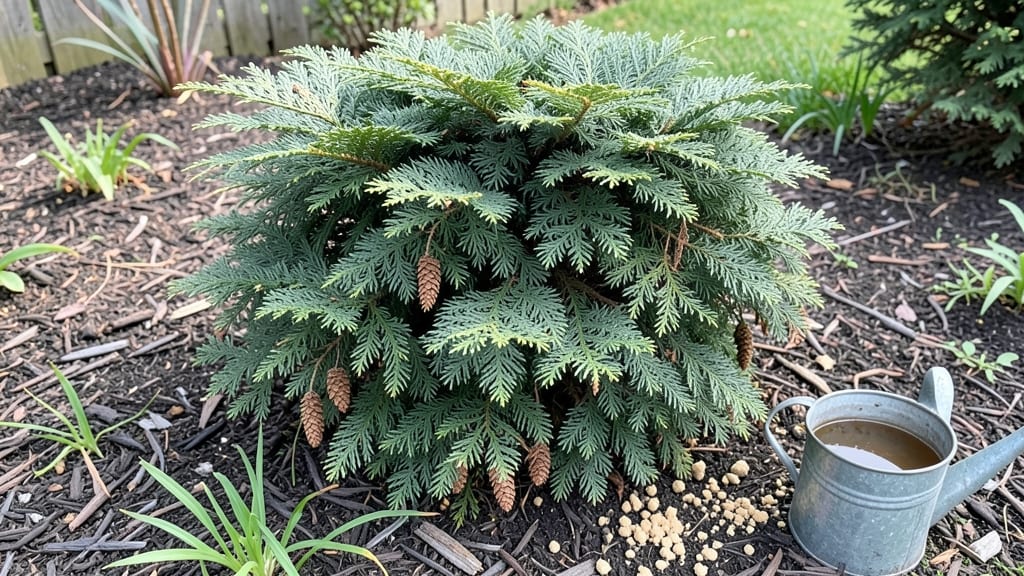
My arborvitae plant food game changed after switching to slow-release formulas—those dull green needles finally turned vibrant in just one growing season. The key isn't just what you feed them, but when and how.
Most gardeners overdo spring fertilizing, but arborvitae actually prefer a gentle, steady diet that mimics natural forest conditions.
You'll need a balanced, evergreen-specific fertilizer (look for 10-10-10 or 12-4-8 ratios) applied in early spring and late fall. Organic options like fish emulsion or composted manure work too, but they require more frequent applications.
The secret is working it into the top 4-6 inches of soil—not just sprinkling on top.
What you'll notice is thicker foliage, faster growth, and fewer brown tips by next summer. The roots stay strong through droughts, and your hedge stops looking like it's been neglected. This isn't about quick fixes—it's about building soil health that lasts for years.
Works for both foundation plantings and privacy screens, though mature trees need less frequent feeding. Here's how to make it work without overdoing it—my arborvitae haven't looked better since I planted them.
📚 In This Guide
- What you need
- Instructions
- Tips and common mistakes
- Wrapping up and next steps
What you need
- ● Slow-release arborvitae fertilizer: Look for a balanced, slow-release formula (e.g., 10-10-10 or 12-12-12 NPK ratio) designed for evergreens. 1–2 lbs per 100 sq. ft. of soil area (adjust for young vs. mature trees).
- ○ Organic matter (optional but recommended): Compost – 2–3 inches mixed into topsoil (improves drainage & nutrient retention).
- ● Peat moss or pine bark fines – 1–2 inches (acidifies soil, ideal for arborvitae).
- ● Soil test kit: Ensures pH (ideal: 5.0–6.5) and nutrient levels are optimal. DIY kits or lab tests work.
- ● Garden fork or tiller: Loosens soil for fertilizer absorption (rent or borrow if needed).
- ● Gloves & knee pads: Protect your hands and comfort during application.
- ● Watering can or hose: 1–2 gallons per application to activate slow-release granules.
- ● Measuring scoop or scale: Ensures precise fertilizer dosing (avoid overapplication!).
- ○ Mulch (optional): 2–3 inches of pine straw or wood chips to retain moisture and regulate soil temp.
How to feed arborvitae for healthy, year-round growth
This method keeps your evergreens vibrant without overfeeding—just the right balance for steady nourishment.
Choose the Right Slow-Release Fertilizer
For arborvitae, I always reach for a balanced, slow-release granular fertilizer with an analysis like 10-10-10 or 12-12-12. These numbers mean equal parts nitrogen (for leaf color), phosphorus (for root development), and potassium (for overall health). Avoid high-nitrogen fertilizers—they burn roots and turn needles yellow.
Spread the fertilizer evenly over the root zone, which extends 2-3 feet beyond the plant’s dripline. Never apply directly against the trunk, as this can cause root damage. Lightly scratch the surface with a rake to help granules make contact with soil—this ensures steady release over 3-4 months without leaching.
Apply Fertilizer at the Right Time
The best time to feed arborvitae is early spring, just as new growth begins. This gives roots time to absorb nutrients before the heat of summer. I also apply a light second feeding in early fall to support root hardening before winter—just half the spring dose. Avoid fertilizing in late summer or fall, as tender new growth won’t have time to toughen up before cold weather.
Water the area deeply before and after applying fertilizer to help granules dissolve and move into the soil. You’ll know you’ve done it right when the soil feels evenly moist to a depth of 6 inches—this prevents fertilizer from sitting on the surface and burning delicate roots.
Monitor for Signs of Proper Nourishment
Healthy arborvitae show deep green, glossy needles and steady growth. If you see yellowing needles in spring, it’s often a sign of overfeeding—cut back on fertilizer next time. On the other hand, pale or dull needles mean it’s time for another feeding. I also check for new growth at the tips of branches, which confirms the plant is actively using the nutrients.
Over time, you’ll notice fewer brown tips and faster recovery after winter stress. If your arborvitae looks leggy, it’s not getting enough light—trim back overgrowth to improve air circulation and sunlight penetration. This keeps the plant balanced and better able to utilize the fertilizer you’ve applied.
Adjust for Seasonal Needs
Young arborvitae (under 5 years old) need slightly more frequent feeding—apply fertilizer twice a year (spring and early summer) to support rapid growth. Mature trees, however, thrive on once-a-year feeding in early spring. I always reduce the dose by half for mature trees to prevent over-fertilization, which can weaken them over time.
In drought-prone areas, water deeply once a week during dry spells to help the fertilizer dissolve and reach roots. You’ll see the biggest difference in consistent moisture retention—healthy soil holds nutrients better, so your arborvitae stays lush even in hot weather. If the ground feels dry more than 2 inches down, it’s time to water again.
Prevent Common Feeding Mistakes
One of the biggest mistakes is applying fertilizer too close to the trunk. Always keep it at least 6 inches away to avoid root burn. Another common error is skipping the watering step—fertilizer granules need moisture to activate. I’ve seen arborvitae suffer from needle drop when owners forget this crucial step.
If you notice white, crusty deposits on the soil surface, it’s a sign of over-fertilization. Flush the area with 2-3 inches of water to leach out excess salts. For severely affected plants, I recommend pruning back dead branches to redirect energy to healthier growth. With the right approach, your arborvitae will stay vibrant and resilient for years.
Tips & tricks for perfect arborvitae nourishment
A few key strategies will help you maximize your arborvitae's health while avoiding common pitfalls that can weaken these evergreens.
The Fertilizer Formula: When selecting a 10-10-10 or 12-12-12 balanced fertilizer, pay attention to the "slow-release" label. These granules break down gradually over the 3-4 months mentioned in Step 1, providing consistent nourishment without overwhelming the roots. I've found that organic options with micronutrients like iron and magnesium give even better results for arborvitae with yellowing needle issues.
Seasonal Timing Secret: The early spring timing in Step 2 is crucial because arborvitae begin their active growth phase when soil temperatures reach about 50°F. For the fall feeding, I recommend doing this in early October when daytime temperatures are still above 60°F. This gives the roots time to absorb nutrients before the ground freezes. If you're in a colder climate, push the fall feeding to late September.
Watering Wisdom: The deep watering before and after applying fertilizer in Step 2 deserves special attention. Use a soil probe or long screwdriver to check moisture levels—you should be able to push it in easily to 6 inches. In drought conditions, I often increase watering to twice weekly during the hottest months, which helps maintain that consistent moisture level the fertilizer needs to activate properly.
Diagnostic Tips: When monitoring for signs of proper nourishment in Step 3, pay close attention to the needle color changes. Healthy arborvitae should have vibrant green needles that feel slightly waxy to the touch. For pale needles, I've found that adding a foliar spray with micronutrients can provide an immediate boost while you adjust the soil feeding schedule. The new growth at branch tips should appear within 4-6 weeks after feeding if the plant is properly utilizing the nutrients.
Pro Tips for Arborvitae Plant Food
- A few key strategies will help you maximize your arborvitae's health while avoiding common pitfalls that can weaken these evergreens.
- The Fertilizer Formula: When selecting a 10-10-10 or 12-12-12 balanced fertilizer, pay attention to the "slow-release" label.
- Seasonal Timing Secret: The early spring timing in Step 2 is crucial because arborvitae begin their active growth phase when soil temperatures reach about 50°F.
Frequently asked questions
Got questions about keeping your arborvitae thriving with the right plant food?
We’ve got answers! Here are some of the most common queries—plus quick solutions to keep your evergreens lush and healthy.
When is the best time to apply arborvitae plant food?
Apply slow-release arborvitae fertilizer in early spring (March-April) and again in late fall (October-November). This timing aligns with root growth cycles and avoids stress during extreme heat or dormancy. For new plants, wait until they’re established (6–12 months old) before fertilizing.
How often should I fertilize my arborvitae?
Slow-release plant food typically lasts 3–6 months, so 2 applications per year (spring and fall) are ideal. Over-fertilizing can burn roots—stick to the label’s recommended rate. Mature trees may need less frequent feeding, while young or struggling trees benefit from extra care.
Can I use regular lawn fertilizer instead of arborvitae-specific plant food?
Not ideal! Arborvitae thrive on balanced, slow-release nutrients (like 10-10-10 or 12-4-8), while lawn fertilizers are high in nitrogen and can cause salt burn or stunted growth. If you’re in a pinch, use a broadleaf evergreen fertilizer or dilute lawn fertilizer to half-strength.
What if my arborvitae’s needles turn brown after fertilizing?
Brown needles often signal over-fertilization or drought stress. Flush the soil with water to dilute excess salts, then reduce feeding frequency. Ensure the plant gets 1–1.5 inches of water weekly (deep watering, not surface sprinkles). If browning persists, test soil pH—arborvitae prefer acidic soil (pH 6.0–7.0).
Are there organic alternatives to synthetic arborvitae plant food?
Yes! Try composted manure, fish emulsion, or cottonseed meal for organic options. Mix these into the soil in spring, or use a slow-release organic fertilizer like alfalfa meal. Organic choices improve soil health but may require more frequent applications (every 2–3 months).
Wrapping up and next steps
Choosing the right arborvitae plant food—especially slow-release options—can transform your evergreen into a thriving, lush centerpiece year after year. 🌿 Whether you opt for organic granules, synthetic blends, or DIY compost tea, the key is consistency and balance.
Your arborvitae will reward you with vibrant foliage and robust growth, making your outdoor space even more inviting.
Ready to give your arborvitae the nourishment it deserves? Start by testing your soil (if you haven’t already) and pick a fertilizer that aligns with your gardening style. Then, apply it with confidence—your green thumb will thank you!