
Pruning
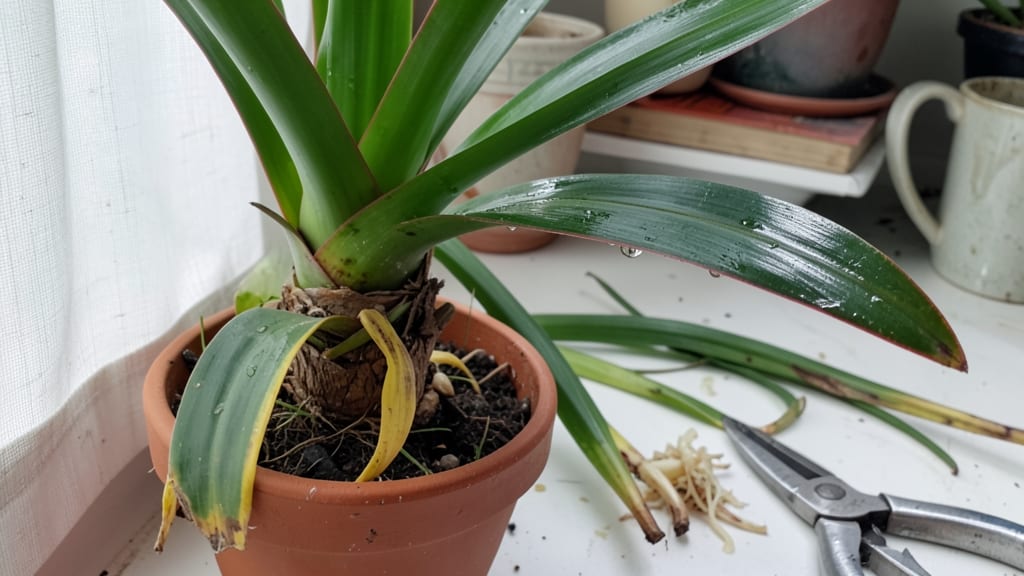
Pruning your ti plant isn't just about shaping—it's about unlocking a denser, healthier privacy screen that thrives all year. 🌿 I learned the hard way that aggressive cuts backfire, but gentle, strategic trimming transforms those leggy branches into a lush, compact wall.
The key is timing: early spring and late summer give you the best balance between growth and recovery.
You’ll need sharp bypass pruners, a sturdy ladder (for taller plants), and gloves to handle the tough branches. Focus on removing dead wood first, then thin out crowded stems to improve airflow—this prevents fungal issues and encourages new growth where you want it.
Most people over-prune, so start conservatively and adjust as you see how your plant responds.
The payoff is worth it: within a few months, you’ll see fuller foliage, fewer gaps in your screen, and branches that grow outward instead of skyward. The plant’s natural resilience means it bounces back quickly, and you’ll avoid the "bare spots" that make ti plants look patchy.
Just avoid heavy pruning in fall—it stresses the plant before winter.
This method works for both young plants and mature screens, and it’s especially effective in warm climates where ti plants grow aggressively. The secret is patience: prune lightly but consistently, and your ti plant will reward you with a thick, vibrant barrier that feels like a natural (not manicured) hedge.
Ready to give it a try?
📚 In This Guide
- What you need
- Instructions
- Tips and common mistakes
- Wrapping up and next steps
What you need
- ● Pruning shears – Bypass-style (sharp, 7-9" blade) for clean cuts
- ● Loppers – For thicker branches (1.5"–2" diameter)
- ● Hand pruners – For precision trimming (smaller stems)
- ● Gloves – Heavy-duty, cut-resistant (gardening or pruning gloves)
- ● Disinfectant (70% isopropyl alcohol or bleach solution) – 1 part bleach to 9 parts water
- ○ Pruning sealant (optional but recommended) – For large cuts (>0.5" diameter)
- ● Heavy-duty trash bags or bucket – For debris disposal
- ● Ladder or step stool – If plants exceed 6 feet
- ● Notebook & pen – To sketch pruning plan or track growth
- ● Extension pole saw – For high branches (10–15 ft reach)
- ● Safety glasses – Protects eyes from debris
- ● Hose or water spray bottle – Cleans tools between cuts
- ● Mulch or compost – For post-pruning soil enrichment
- ● Plant food (balanced fertilizer, 10-10-10) – Encourages regrowth
How to prune a ti plant for a lush, year-round privacy screen
This is the method I use to keep my ti plants full, healthy, and thriving without sacrificing their natural beauty.
✂️ Step 1: Gather Your Tools and Assess the Plant
Start with clean, sharp pruning shears—dull blades tear stems and invite disease. I always disinfect my tools with rubbing alcohol before and after pruning to prevent spreading any pathogens. Look for overcrowded branches, dead or yellowing leaves, and legs that grow too long or thin. These are your first targets for shaping.
Run your hands through the foliage to feel for any weak or crossing stems. Ti plants grow best when they have good airflow—this prevents fungal issues and keeps the plant looking lush. If you see any stems rubbing against each other, those should be pruned back to encourage stronger growth.
✂️ Step 2: Prune for Shape and Airflow
Begin by removing any dead or diseased branches first—cut these back to the nearest healthy growth node. Next, focus on shaping the plant by trimming back any overly leggy stems to just above a leaf node. This encourages bushier growth and prevents the plant from becoming top-heavy.
I like to step back every few cuts to assess the plant’s overall shape. The goal is a full, rounded silhouette that blocks views effectively. Avoid cutting more than one-third of the plant’s foliage at once—this can stress the ti plant and slow its recovery. If you’re unsure, err on the side of caution and remove less.
🌿 Step 3: Encourage New Growth and Maintain Health
After pruning, inspect the cuts to ensure they’re clean and not jagged. If you accidentally tear a stem, trim it back further to a smooth cut. This prevents water from pooling and causing rot. Once you’re done, give the plant a light watering to help it recover—just enough to moisten the soil without soaking it.
Here’s the thing—ti plants are resilient, but they’ll need time to bounce back. Within 2-4 weeks, you should see new growth emerging from the nodes you pruned. To encourage this, place the plant in a spot with bright, indirect light (ti plants thrive in 60-75°F temperatures). Avoid direct sunlight immediately after pruning, as it can stress the plant further.
⏰ Step 4: Schedule Regular Maintenance for Long-Term Growth
Ti plants grow year-round, so I prune mine every 3-4 months to keep them looking their best. Light trims between major pruning sessions help maintain shape and prevent any single branch from dominating the plant. Always prune in the spring or early summer for the best results—this gives the plant plenty of time to recover before cooler weather.
Watch for new growth at the base of the plant, too. If you notice any suckers or offsets forming, you can either leave them to fill out the plant or transplant them to create new privacy screens elsewhere. This is how I’ve expanded my ti plant collection over the years—just a little patience and attention to detail.
Tips & tricks for perfect ti plant pruning
A few simple tricks will help you prune your ti plant like a pro while keeping it healthy and thriving.
The Tool Factor: Never skip disinfecting your pruning shears with rubbing alcohol before and after each use. I learned this the hard way after my ti plant developed a fungal infection from using the same shears for multiple plants. Clean tools mean healthier plants and fewer issues down the road. For larger branches, I recommend using a small hand saw—it gives you more control and prevents tearing.
Visual Cues for Pruning: In Step 2, when shaping your plant, look for the "V" shape where leaves meet the stem—that's your growth node. Cut just above this node to encourage new growth from that spot. If you're unsure where to cut, step back and look at your plant from different angles. The goal is a balanced, full silhouette that blocks views effectively without looking unnatural.
Seasonal Timing: While ti plants grow year-round, spring and early summer are ideal times for major pruning. During these seasons, your plant has the best conditions to recover and produce new growth within the 2-4 week window mentioned. If you must prune in winter, do it lightly—just enough to maintain shape—and avoid heavy cuts that could stress the plant when it's already in a slower growth phase.
Recovery Strategy: After pruning, avoid placing your ti plant in direct sunlight for at least a week. The bright, indirect light mentioned in Step 3 helps the plant recover without additional stress. I also recommend giving the plant a light watering immediately after pruning—just enough to moisten the soil. This helps the plant focus its energy on recovery rather than becoming dehydrated.
Pro Tips for Prune Ti Plant
- A few simple tricks will help you prune your ti plant like a pro while keeping it healthy and thriving.
- The Tool Factor: Never skip disinfecting your pruning shears with rubbing alcohol before and after each use.
- Visual Cues for Pruning: In Step 2, when shaping your plant, look for the "V" shape where leaves meet the stem—that's your growth node.
Frequently asked questions
Got questions about keeping your Prune Ti plant lush and thriving? You’re not alone! Here are some of the most common queries—plus quick answers to keep your privacy screen growing strong without stress.
When is the best time to prune my Prune Ti plant?
Prune your Prune Ti (or Tipuana tipu) in late winter or early spring before new growth starts. Avoid heavy pruning in fall—it can leave branches vulnerable to cold. For light shaping, you can trim anytime, but never prune during frost or extreme heat.
How much can I trim back without harming the plant?
You can safely remove up to 1/3 of the plant’s foliage in one session. For aggressive pruning (like shaping a dense hedge), spread it over 2-3 sessions with 4-6 weeks between cuts. Over-pruning weakens the tree, so prioritize structure over drastic cuts—focus on removing dead or crossing branches first.
Will pruning attract bees or pests?
Pruning itself doesn’t attract bees, but Prune Ti flowers (which produce nectar) do! If you’re concerned, trim before blooming season (late spring). To deter pests like aphids, sterilize tools with rubbing alcohol and avoid over-fertilizing, which invites soft-bodied insects. Prune Ti is generally pest-resistant, though!
Can I propagate cuttings from my pruned branches?
Prune Ti roots easily from softwood cuttings (4–6 inches long). Dip the cut end in rooting hormone, plant in moist perlite/sand mix, and keep in bright, indirect light with humidity (use a plastic bag). Roots form in 4–8 weeks. Pro tip: Prune on a cloudy day to reduce stress on the plant.
What should I do if my Prune Ti looks stressed after pruning?
Stress signs (yellow leaves, slow regrowth) usually mean over-pruning or poor timing. To help:
- Water deeply but avoid soggy soil—Prune Ti hates "wet feet."
- Apply a balanced fertilizer (10-10-10) to encourage recovery.
- Mulch the base to retain moisture and cool roots.
- Skip heavy pruning for 6–12 months if the plant is weak.
Wrapping up and next steps
Growing a lush, humane prune ti plant as a privacy screen is a rewarding journey that blends beauty with sustainability! 🌿 With the right tools, techniques, and a little patience, you can transform your outdoor space into a thriving, eco-friendly haven.
Whether you’re trimming for shape, health, or growth control, remember that less is often more—pruning thoughtfully ensures your ti plant flourishes year-round.
Ready to take the next step? Start small—pick one section of your plant to prune this weekend, and observe how it responds. Over time, you’ll master the art of nurturing your ti plant while keeping your space private and picturesque. Happy pruning! ✂️🌱