
Pruning
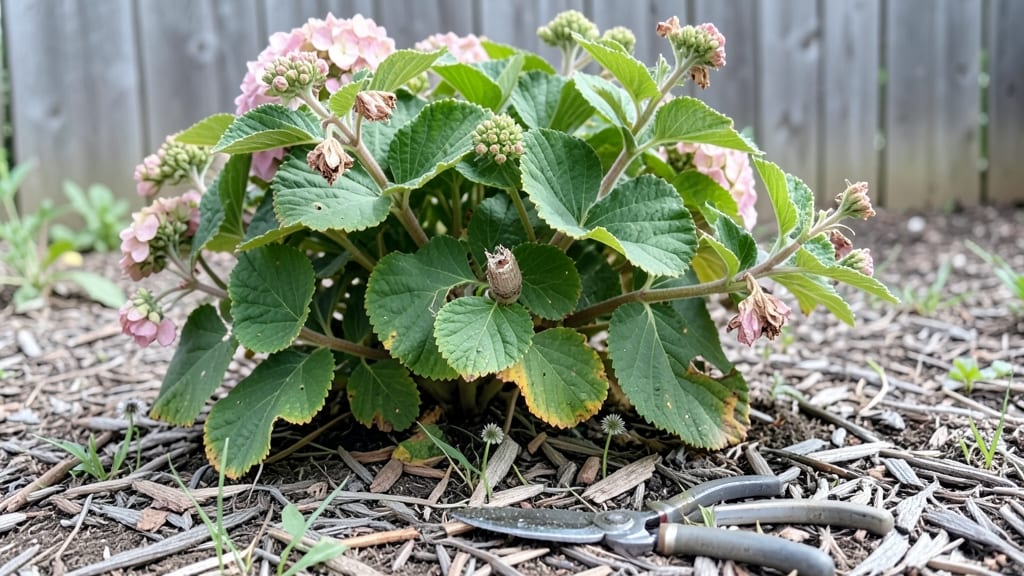
Pruning hydrangea plants at the best time can transform your garden from a sparse show to a burst of color—but get it wrong, and you might end up with bare branches.
Pruning your hydrangeas at the wrong time can mean fewer blooms—or even no flowers at all. But timing it perfectly in late winter unlocks the secret to lush, vibrant growth and abundant summer flowers.
This isn’t just about snipping back dead stems—it’s about understanding when to prune based on your hydrangea type, your local climate, and the hidden signals your plant gives in early spring.
In this guide, I’ll walk you through the exact late-winter window that works for most varieties, how to spot the right moment for your specific hydrangea, and the common mistakes that leave gardeners scratching their heads come summer.
When to prune hydrangeas by type: late winter timing explained
Hydrangeas are stunning shrubs that reward careful pruning with bigger blooms and healthier growth. But not all varieties bloom the same way, so pruning timing depends on your specific type. Late winter is the golden window for most hydrangeas, but Hydrangea macrophylla (mophead and lacecap) need a different approach.
Let’s break it down by type so you never miss bloom season.
Late winter pruning—typically February to early March—gives you the advantage of dormant plants and clear visibility of the shrub’s structure. This makes it easier to identify dead wood and shape your hydrangea correctly.
However, if you prune too early, you risk damaging new buds forming on old wood bloomers, while pruning too late can stunt growth before spring.
Here’s the summary table to quickly find your hydrangea type and the best time to prune:
| Variety | Best Time to Prune | Notes |
|---|---|---|
| Mophead (Hydrangea macrophylla) | Late summer (after blooming) | Old wood bloomer; prune new growth in late summer to avoid removing next year’s buds. |
| Panicle (Hydrangea paniculata) | Late winter (February-March) | New wood bloomer; prune back by 1/3 to encourage larger blooms. |
| Smooth (Hydrangea arborescens) | Late winter (February-March) | New wood bloomer; prune old stems to ground level for fresh growth. |
| Oakleaf (Hydrangea quercifolia) | Late winter (February-March) | Old wood bloomer; prune sparingly to maintain structure and avoid removing flower buds. |
| Lacecap (Hydrangea macrophylla) | Late summer (after blooming) | Old wood bloomer; prune new growth to shape and encourage next year’s blooms. |
✂️ Pro Tip: Always use clean, sharp pruners to avoid damaging stems.
If you have mophead or lacecap hydrangeas (Hydrangea macrophylla), late winter pruning is a big no-no. These varieties bloom on old wood, meaning their flower buds form on last year’s growth.
Pruning in late winter would remove these buds, leaving you with no flowers for the season. Instead, wait until late summer, right after they’ve bloomed, to trim back any dead or overgrown branches.
For panicle hydrangeas (Hydrangea paniculata), late winter is perfect because they bloom on new wood. This means you can prune them aggressively in late winter without worrying about removing next year’s flower buds.
Cut back 1/3 of the plant to encourage thicker, fuller blooms. Varieties like 'Limelight' and 'Little Lime' thrive with this approach.
The smooth hydrangea (Hydrangea arborescens), including popular varieties like 'Annabelle' and 'Invincibelle', also blooms on new wood. Prune these in late winter by cutting old stems all the way back to the ground.
This encourages fresh, vibrant growth and larger blooms in the following season. Don’t be afraid to get bold—these hydrangeas bounce back beautifully.
Oakleaf hydrangeas (Hydrangea quercifolia) are a bit trickier because they bloom on old wood but also produce fall foliage that’s just as stunning. Prune them sparingly in late winter, focusing only on dead or crossing branches. Avoid heavy pruning, as it can reduce next year’s flower production and impact their fall color display.
Regional climate plays a role too. In warmer zones (USDA 8-10), late winter might mean pruning as early as January, while in colder zones (USDA 3-6), wait until March or even April to avoid pruning too early and risking frost damage.
Always check your last frost date and prune 2-4 weeks before to give your hydrangea time to recover.
One common mistake is pruning at the wrong time for your hydrangea type, which can lead to no blooms or leggy growth. Another is over-pruning, which stresses the plant. Stick to the guidelines for your specific type, and you’ll enjoy healthier plants and more abundant flowers every season.
Now that you know the best time to prune each hydrangea type, grab your pruners and get ready to shape your shrubs for a show-stopping summer display! 🌸
Step-by-step late winter pruning guide for maximum blooms
Late winter is the perfect window to prune hydrangeas because plants are dormant, making it easier to see the structure and remove dead wood. This timing encourages vigorous spring growth and sets the stage for abundant summer blooms.
With the right tools and technique, you’ll avoid common mistakes like over-pruning or cutting at the wrong time.
Before you begin, gather your pruning tools, including sharp bypass pruners for clean cuts and loppers for thicker branches. Disinfect your tools with rubbing alcohol to prevent spreading disease. Late winter’s clear visibility of the plant’s structure makes it easier to identify dead or diseased branches that need removal.
Your Late Winter Pruning Checklist
- Step 1: Remove Dead Wood – Cut out any brown, brittle branches at the base. These won’t regrow and can harbor pests.
- Step 2: Thin Out Crowded Branches – Look for crossing or rubbing branches and prune one of the two to improve airflow.
- Step 3: Shape the Plant – Use third-bud-out method for mophead hydrangeas: cut back to an outward-facing bud to encourage fuller growth.
- Step 4: Avoid Over-Pruning – Never remove more than 1/3 of the plant’s foliage. This ensures strong regrowth without stressing the shrub.
- Step 5: Clean Up – Rake up pruned debris and dispose of it properly to prevent disease spread.
Pro Tip: Label your pruned branches if you’re unsure which variety they belong to—some hydrangeas bloom on old wood, while others need new wood for flowers!
For mophead hydrangeas (Hydrangea macrophylla), prune just above a bud that faces outward to encourage a fuller, bushier shape. This variety blooms on old wood, so avoid heavy pruning in late winter if you want summer flowers.
For panicle hydrangeas (Hydrangea paniculata), you can be more aggressive since they bloom on new wood.
One of the biggest mistakes gardeners make is pruning too late in winter, just before new growth starts. If you wait until spring, you risk removing next year’s flower buds.
Late winter gives you that extra buffer to work before growth resumes. Always prune on a dry, calm day to minimize stress on the plant.
After pruning, apply a layer of mulch around the base of your hydrangeas to retain moisture and protect roots as temperatures fluctuate. Water deeply but infrequently in late winter to encourage strong root development before the growing season kicks in.
With these steps, your hydrangeas will reward you with healthier foliage and more vibrant blooms than ever before. Happy pruning! 🌸✂️