
Lawn
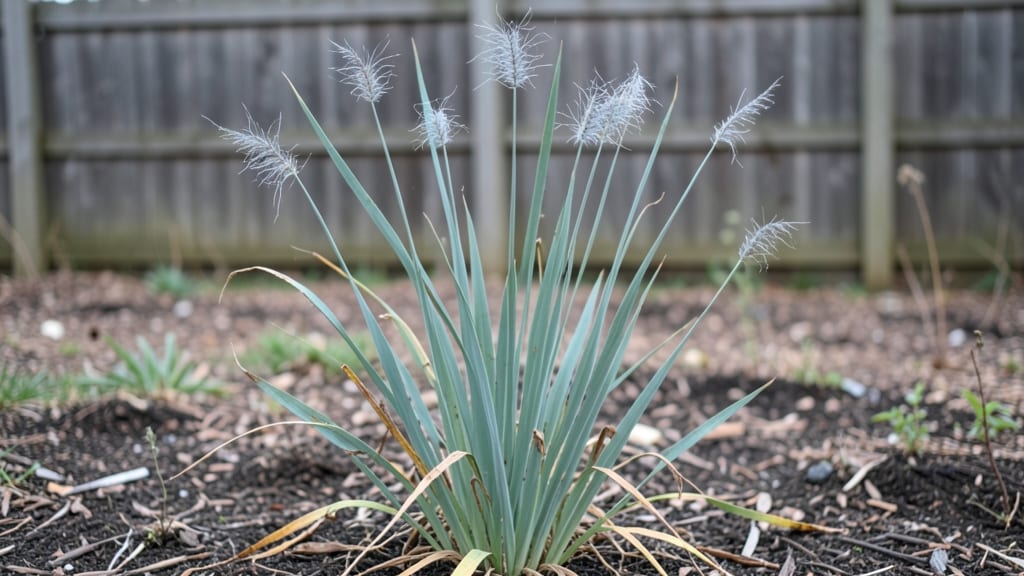
That burning grass plant in your yard isn’t just ugly—it’s a silent SOS from your lawn. 🌱 I’ve watched entire lawns go from lush green to sad, straw-like patches, and I’ll tell you exactly what’s happening and how to revive it.
The damage could be from too much sun, over-fertilizing, or even a chemical spill, but the fix starts with understanding the real cause.
First, check the damage: crispy edges mean drought stress, while scattered brown spots could signal over-fertilization or pests. The good news? Grass is tougher than it looks.
Once you identify the problem—whether it’s thirsty roots, too much salt, or a pest attack—you can adjust watering, test your soil, or apply the right treatment to stop the burn and encourage regrowth.
By the time you’re done, your lawn will bounce back with deeper green blades and a thicker stand. The key is acting fast: proper watering (deep but infrequent), avoiding heavy foot traffic on stressed areas, and giving your grass time to recover.
Think of it as a three-stage rescue—diagnose, treat, and protect.
This works for any grass type, from cool-season Kentucky bluegrass to warm-season Bermuda. The same principles apply whether you’re dealing with a small patch or a full yard. Let’s get that lawn back to its best in no time.
Root Causes Of Grass Discoloration
Before you can revive a scorched lawn, it’s critical to understand the underlying triggers behind that unsightly brown or blackened grass. Here’s a breakdown of the most common culprits—each with a clear scientific explanation and actionable insights to help you diagnose the issue accurately.
When grass blades absorb too much sunlight without adequate moisture, their cellular structure breaks down in a process called photooxidative stress.
This occurs because: - Excess UV radiation damages chlorophyll, the pigment responsible for photosynthesis. - High temperatures (above 90°F/32°C) cause proteins in grass cells to denature, leading to irreversible damage. - Shallow root systems (common in newly seeded lawns) can’t draw enough water to cool the blades.
Why it looks like fire: Grass turns a crispy, straw-like brown or blackens in patches where sunlight is most intense (e.g., south-facing slopes). The damage is often uniform across the surface rather than patchy.
Actionable fix:
- Water deeply in early morning (before 10 AM) to allow moisture to penetrate roots before evaporation.
- Mulch lightly with straw or wood chips to reflect sunlight and retain soil moisture.
- Adjust mowing height—taller grass shades soil and reduces heat exposure.
Grass isn’t just wilting—it’s physiologically stressed when watering is inconsistent. The two biggest offenders: 1. Underwatering: Triggers osmotic stress, where grass cells lose turgor pressure (rigidity) and collapse.
- Overwatering: Leads to anaerobic soil conditions, where roots suffocate from lack of oxygen and develop fungal infections (e.g., brown patch disease).
Signs it’s water-related:
- Wilting (grass blades fold lengthwise like a taco).
- Blade tips turning white or gray (from salt buildup if using tap water).
- Mushy, spongy patches (overwatering + poor drainage).
Actionable fix:
- Follow the 1-inch rule: Water 1–1.5 inches per week (including rainfall), split into 2–3 sessions.
- Check soil moisture with a screwdriver—if it’s dry 2 inches down, water again.
- Aerate compacted soil to improve drainage and root oxygen uptake.
Prolonged heat waves push grass into dormancy as a survival mechanism.
Key triggers: - Soil moisture deficit: Roots can’t extract water fast enough to replace what’s lost through evaporation. - Elevated soil temperatures: Exceeding 104°F (40°C) for 2+ days kills root tips and disrupts nutrient uptake. - Wind desiccation: High winds dry grass blades faster than roots can replenish moisture.
How to spot it:
- Uniform browning across the lawn (not patchy).
- Crunchy, brittle texture when stepped on.
- Slow recovery even after watering (roots may be dead).
Actionable fix:
- Apply a layer of compost or mulch to insulate soil and retain moisture.
- Use shade cloth (30–50% coverage) over high-stress areas temporarily.
- Avoid foot traffic—compressed grass heats up faster.
Grass burns when salt concentrations in soil spike from:
- Over-fertilizing (especially with synthetic nitrogen like urea).
- Improper herbicide application (e.g., pre-emergent left on for too long).
- Using salt-based ice melts near sidewalks (salt leaches into soil).
Visual clues:
- Yellowing or white streaks along edges of lawn (where chemicals concentrated).
- Growth stunting despite regular watering.
- Crusty, white residue on soil surface (from fertilizer salts).
Actionable fix:
- Flush soil with 2–3 inches of water to dilute salts.
- Test soil pH—ideal range for most grasses is 6.0–7.0.
- Switch to slow-release, organic fertilizers (e.g., compost or fish emulsion).
While less common than environmental factors, pests and pathogens can mimic burn damage:
- Grubs or chinch bugs feed on roots, starving grass of nutrients.
- Fungal infections (e.g., brown ring patch) thrive in wet, hot conditions.
- Slugs/snails leave irregular, jagged burn marks at night.
How to tell:
- Uneven patches with healthy grass interspersed.
- Thin, wispy grass (roots chewed by grubs).
- Mushrooms or slimy trails (signs of fungal activity or slugs).
Actionable fix:
- Inspect soil for grubs (dig a 6-inch square; >10 grubs per square = treat).
- Apply fungicide (e.g., copper-based sprays) if disease is suspected.
- Set beer traps or diatomaceous earth for slugs.
Compacted or nutrient-poor soil strangles grass roots, making them vulnerable to heat stress. Key issues:
- Low organic matter (<3%) reduces water-holding capacity.
- High clay content prevents oxygen and water penetration.
- Traffic or heavy equipment compresses soil, crushing roots.
Tell-tale signs:
- Spongy or muddy soil when walked on.
- Grass grows in clumps (roots can’t spread).
- Slow recovery after watering (roots aren’t absorbing nutrients).
Actionable fix:
- Aerate annually with a core aerator (especially for high-traffic areas).
- Top-dress with compost (¼-inch layer) to improve soil structure.
- Use gypsum (for clay soil) or peat moss (for sandy soil) to balance texture.
Revive Your Lawn in 3 Steps
Now that you understand why your grass might be turning into a crispy, burnt mess, it’s time to take action! Whether the damage is from drought, foot traffic, pests, or even a misplaced grill, these practical, step-by-step solutions will help your lawn bounce back—fast.
We’ve broken it down by cause so you can target the problem directly, plus added prevention tips to keep your grass lush and resilient long-term.
Before diving into fixes, check the damage level. Is it patchy brown spots or a full-on scorched landscape? Your approach depends on the severity.
🌱 For Light to Moderate Damage (Brown Patches)
- 💦 Hydrate Deeply - Water the affected area slowly and deeply (1–1.5 inches) to encourage roots to drink up moisture.
Use a soaker hose or drip irrigation to avoid runoff. - Pro Tip: Water early morning (4–8 AM) to reduce evaporation and fungal risks. 🌡️
- 🌿 Mow Less, Mow Lower (But Not Too Low!) - If your grass is still green but stressed, raise your mower blade to 3–4 inches.
Taller grass shades roots, retains moisture, and grows faster. - Avoid cutting more than ⅓ of the blade at once—this shocks the plant further. ⏰
- 🧹 Remove Debris and Thatch - Clear away dead leaves, twigs, or debris blocking sunlight and airflow.
Use a rake or leaf blower for a quick cleanup. - If you have thatch buildup (that spongy layer between soil and grass), dethatch lightly with a vertical mower (no deeper than ½ inch).
🔥 For Severe Damage (Bare Spots or Dead Grass)
- 🔄 Test Your Soil - Grab a DIY soil test kit (or send a sample to your local extension office) to check pH and nutrient levels.
Burnt grass often signals compacted soil, poor drainage, or nutrient deficiency. - Quick Fix: Sprinkle compost or topsoil over bare spots (¼-inch layer) to improve structure. ✨
- 🌱 Overseed Like a Pro
- Choose drought-resistant grass seeds (like tall fescue, Bermuda, or zoysia) that match your climate.
- When to seed?
- Cool seasons (fall/spring): Ideal for most grasses.
- Warm seasons (late spring/summer): Best for Bermuda or buffalo grass.
- How to seed:
- Loosen soil with a rake or aerator.
- Spread seeds evenly (follow package rates).
- Lightly cover with straw or peat moss (not soil!) to protect seeds.
- Keep moist until germination (usually 7–21 days). 💡
- 🛡️ Protect New Growth
- Avoid foot traffic on seeded areas for 4–6 weeks.
- Use shade cloth if your lawn gets intense afternoon sun during recovery.
Now, let’s tackle why your grass got burnt in the first place. Here’s how to address common culprits:
🌞 Too Much Sun or Heat Stress
- Solution: Shade + Water Smartly
- Install temporary shade cloth (30–50% coverage) over scorched areas if sun exposure is extreme.
- Mulch bare spots with straw or wood chips to retain moisture.
- Prevention: Plant shade-tolerant grasses (like fine fescue) in hot, sunny patches. 🌿
💧 Underwatering or Overwatering
- Solution: Adjust Your Irrigation
- Underwatering? Water deeply 2–3 times per week (early morning).
- Overwatering? Let the top 2 inches of soil dry out between waterings.
Test with a screwdriver—if it slides in easily, you’re overdoing it. - Fix compacted soil: Aerate with a manual core aerator (rent or buy) to help water penetrate. 🔥
👟 Foot Traffic or Pet Damage
- Solution: Reduce Pressure + Repair
- Mark high-traffic areas with stepping stones or mulch to redirect foot traffic.
- For pet urine burns, rinse the area with water and apply lime (to neutralize acidity) or overseed with clover (more resilient to urine).
- Prevention: Train pets to use designated potty spots away from the lawn. 🐕
🐜 Pests or Fungal Issues
- Solution: Identify and Treat
- Grubs or insects? Apply beneficial nematodes or neem oil spray (organic option).
- Fungal burn (like brown patch)? Treat with fungicide (copper-based for organic gardens) and improve airflow by mowing higher.
- Prevention: Keep grass healthy and hydrated—stress invites pests! 🛡️
🔥 Chemical Burns (Fertilizer, Herbicide, or Salt)
- Solution: Flush and Recover
- Rinse the area with hose water for 10–15 minutes to dilute chemicals.
- Avoid fertilizing for 4–6 weeks—let the grass recover first.
- Prevention: Always water before applying fertilizer to prevent burns. 💧
An ounce of prevention is worth a pound of cure! Here’s how to keep your lawn lush and fire-resistant:
| Problem | Prevention Tip | Tools/Products to Use |
|---|---|---|
| Drought | Water deeply 2–3x/week (early morning). Mulch to retain moisture. | Soaker hose, compost, mulch |
| Heat Stress | Plant drought-tolerant grasses (Bermuda, Buffalo). Use shade cloth in peak sun. | Shade cloth, drought-resistant seeds |
| Foot Traffic | Install paths or stepping stones in high-use areas. | Gravel, pavers, artificial turf |
| Pests/Fungus | Keep grass healthy and well-aerated. Use preventative sprays in spring. | Nematodes, neem oil, aerator |
| Chemical Burns | Water before fertilizing. Spot-test new products on a small area first. | pH test kit, organic fertilizers |
💡 Bonus Pro Tips:
- Mow high (3–4 inches) to encourage deep roots and shade soil.
- Aerate annually (spring or fall) to prevent compaction.
- Feed smart: Use slow-release, organic fertilizers to avoid burns.
- Watch the weather: If a heatwave is forecast, water extra or cover young grass with shade.
With these steps, your lawn will not only recover but thrive—no more sad, crispy patches in sight! 🌱🔥 Whether you’re dealing with a sun-scorched yard, pet disasters, or post-grill mishaps, your grass is about to make a full, green comeback.
Frequently asked questions
Why does my grass look burned even though I water it regularly?
Overwatering can actually cause "burn" symptoms by creating anaerobic soil conditions that suffocate roots. Check for mushy patches or white-gray blade tips—these indicate excess moisture. Water only when the top 2 inches of soil are dry, and aerate compacted areas to improve drainage.
How can I tell if my grass is burned from heat or chemical damage?
Heat stress causes uniform browning across sun-exposed areas, while chemical burns create irregular white/yellow streaks where substances concentrated. For chemicals, rinse the area with water immediately and avoid fertilizing for 4-6 weeks.
Will my lawn ever recover from severe burning?
Yes! For dead patches, overseed with drought-resistant grass (like tall fescue) after testing soil pH. Apply compost to improve soil structure, and protect new growth with shade cloth during recovery. Most lawns show significant improvement within 6-8 weeks of proper care.
Can I use vinegar to revive burned grass?
Never use vinegar—it's too acidic and will kill healthy grass while doing nothing for recovery. Instead, flush the area with water to dilute any chemical buildup, then apply compost tea or a mild organic fertilizer to support regrowth.
How do I prevent future grass burning?
Start by mowing high (3-4 inches) to shade soil, and water deeply 2-3x/week (early morning). Test soil annually, use slow-release fertilizers, and aerate compacted areas. For high-traffic zones, install stepping stones to redirect foot traffic.