
Lawn
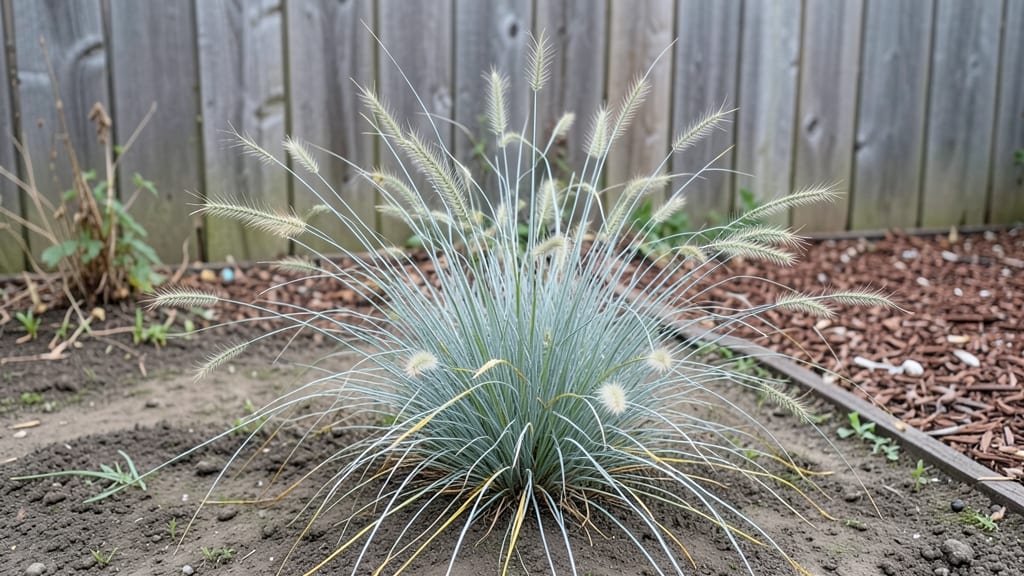
The feather grass plant brings effortless elegance to any garden with its drought-resistant height and silvery plumes that stay beautiful all year. 🌿 I’ve grown it for years, and it’s the one plant that thrives on neglect while still looking stunning—no fuss, just texture.
The key is matching its love for dry soil and full sun, which is why it’s perfect for hot, sunny spots where other plants wilt.
This ornamental grass loves well-draining soil and can handle poor conditions better than most plants. You’ll want to plant it in spring or early fall, giving it plenty of space to spread—about 2-3 feet between clumps.
Watering is minimal once established; just a deep drink every 2-3 weeks keeps it happy without drowning it. The secret to its year-round appeal is pruning spent growth in late winter, which encourages fresh, new plumes.
By summer, you’ll have airy, feathery fronds swaying in the breeze, adding movement and softness to borders or containers. It’s drought-proof, deer-resistant, and even tolerates salt spray, making it ideal for coastal gardens or dry climates.
The best part? It looks great whether you’re going for a wild, natural look or a polished, structured design.
Common mistakes include overwatering or planting it in shady spots—both will leave it looking sad and leggy. But once you get the basics right, this grass is nearly foolproof.
It’s the kind of plant that rewards patience with minimal effort, making it a standout for busy gardeners or anyone craving low-maintenance beauty.
📚 In This Guide
- What you need
- Instructions
- Tips and common mistakes
- Wrapping up and next steps
What you need
- ● Feather grass seeds or nursery-grown plants: Choose from varieties like Pennisetum alopecuroides (Fountain Grass) or Pennisetum villosum (Feather Grass). Buy 5-10 plants (or 1 oz of seeds) for a full, textured look.
- ● Well-draining potting mix or garden soil: A blend of 60% topsoil, 30% perlite/sand, and 10% compost works best. For containers, use a 10-12 inch pot with drainage holes.
- ● Organic fertilizer (balanced 10-10-10 or slow-release): Apply 1-2 tbsp per plant at planting and again in early spring.
- ● Watering can or hose with a gentle spray nozzle: Feather grass hates soggy roots—avoid overwatering!
- ● Garden gloves and trowel (for planting or transplanting).
- ● Pruning shears (to trim dead foliage or shape plants in late winter).
- ○ Mulch (optional but recommended): Use 2-3 inches of shredded bark or gravel to retain moisture and suppress weeds.
- ● Sunlight access: Full sun (6+ hours/day) for optimal growth (partial shade tolerates Pennisetum alopecuroides).
- ● Drought tolerance: Once established, feather grass thrives with minimal watering—perfect for low-maintenance yards!
Step-by-Step guide to planting and caring for feather grass
Here's how to grow this drought-resistant beauty with minimal fuss.
🌱 Step 1: Choose the Perfect Planting Location
Feather grass thrives in full sun—at least 6 hours daily—so pick the sunniest spot in your yard. It tolerates partial shade but may grow less upright and lush. I always check the area for good air circulation around it; this prevents fungal issues that can weaken the grass over time.
Test the soil drainage by digging a small hole and filling it with water. If it drains within 15 minutes, your site is perfect. Poor drainage is the biggest enemy of feather grass—it leads to root rot and stunted growth. If your soil drains slowly, amend it with sand or gravel before planting.
🪴 Step 2: Prepare the Soil and Plant Correctly
Loosen the soil in a 12-inch diameter hole to a depth of 6 inches. Feather grass has fibrous roots that spread wide, so avoid compacting the soil. Mix in a handful of slow-release fertilizer (like 10-10-10) into the hole to give your plant a nutrient boost right from the start.
Place the grass crown just below soil level—this ensures stability and prevents the base from drying out. Backfill the hole with soil, pressing lightly to remove air pockets. Water deeply to settle the soil around the roots. You'll know it's done right when the soil surface looks slightly firm but still crumbly.
💧 Step 3: Water Deeply and Establish a Routine
Water your feather grass deeply once a week for the first month to encourage strong root growth. After that, water only when the top 2 inches of soil feel dry—this drought tolerance is why it’s such a low-maintenance plant. Overwatering is the fastest way to kill it, so resist the urge to check daily.
I like to water in the early morning to let excess moisture evaporate during the day. You’ll see the grass perking up after a good soak—its plumes will stand taller and look fuller. If you notice the tips turning brown, it’s a sign of underwatering, but don’t overcompensate by drowning it.
✂️ Step 4: Prune for Shape and Health
Cut back dead or damaged foliage in early spring before new growth appears. Use clean, sharp shears to trim 2-3 inches above the base—this encourages fresh, vibrant growth. I always prune on a dry day to avoid spreading disease if the grass is damp.
If your feather grass grows too tall or flops over, you can trim it back by one-third in late summer. This keeps it looking neat and prevents it from becoming too leggy. Just avoid cutting into the old, woody stems—focus on the newer, softer growth at the top.
☀️ Step 5: Protect and Maintain Year-Round
Feather grass is cold-hardy and doesn’t need winter protection, but a light mulch around the base in winter helps insulate the roots. In hot, dry climates, provide afternoon shade during peak summer months to prevent the tips from scorching.
Fertilize once a year in early spring with a balanced, slow-release fertilizer. You’ll see the difference in just a few weeks—healthier foliage and more vibrant plumes. If you notice yellowing leaves, it’s usually a sign of overwatering or nutrient deficiency, so adjust accordingly.
Tips & tricks for perfect feather grass planting and care
Here's what nobody tells you about growing feather grass—these tricks make all the difference between a struggling plant and a stunning landscape star.
The Sunlight Secret: While feather grass loves full sun, I've found that in hot climates, providing afternoon shade during peak summer months (especially when temps hit above 90°F) prevents those unsightly brown tips. Use a sheer fabric or dappled shade cloth if your grass starts looking stressed—it recovers beautifully once the shade is removed.
Soil Prep That Makes a Difference: Don't just dig a hole—loosen that soil to a depth of 6 inches and avoid compacting it around the roots. I like to add a handful of coarse sand to improve drainage if my soil feels heavy. The goal is to mimic the well-draining conditions feather grass thrives in, especially in Step 1 when you're testing that 15-minute drainage time.
Watering Wisdom: That first month is critical—watering deeply once a week encourages those strong roots you want. I've seen many gardeners overwater because they check daily, but remember: feather grass stores water well. Let the top 2 inches dry out completely between waterings, and you'll avoid the root rot that can kill your plant. The early morning watering tip is gold—it gives moisture time to soak in without promoting fungal growth.
Pruning Like a Pro: When you're trimming those 2-3 inches above the base in early spring, focus on removing only the dead or damaged growth. I always use sterilized shears to prevent spreading disease, and I never cut into the woody stems—those are your plant's structural support. That one-third trim in late summer keeps things looking neat without sacrificing next year's growth.
Pro Tips for Feather Grass Plant
- Here's what nobody tells you about growing feather grass—these tricks make all the difference between a struggling plant and a stunning landscape star.
- The Sunlight Secret: While feather grass loves full sun, I've found that in hot climates, providing afternoon shade during peak summer months (especially when temps hit above 90°F) prevents those unsightly brown tips.
- Soil Prep That Makes a Difference: Don't just dig a hole—loosen that soil to a depth of 6 inches and avoid compacting it around the roots.
Frequently asked questions
Got questions about your feather grass plant?
You’re not alone—this drought-resistant beauty is full of surprises! Here are answers to the most common queries to help you keep your lawn looking lush and low-maintenance.
How fast does feather grass grow, and when will I see results?
Feather grass grows at a moderate pace, typically 6–12 inches per year. With proper care, you’ll notice noticeable height and texture within 3–6 months. Patience pays off—it’s a slow-and-steady winner for drought-prone areas! Learn more about growth stages.
Does feather grass need watering, or is it truly drought-resistant?
Yes, it’s drought-tolerant, but not drought-proof! Water deeply once a week during the first year to establish roots. After that, water every 2–3 weeks (or when soil feels dry 2 inches down). Overwatering can harm it—let nature do the work once established!
How and when should I trim feather grass for the best look?
Trim once a year in late winter or early spring to remove dead fronds and encourage new growth. Use sharp shears or a string trimmer—never cut more than 1/3 of the plant’s height. Avoid trimming in fall, as it needs those dry fronds for winter protection.
Are there pests or diseases I should watch for in feather grass?
Feather grass is pest-resistant, but watch for scale insects or mealybugs in hot climates. If you spot sticky residue or white cottony spots, spray with neem oil or insecticidal soap. Fungal issues are rare, but improve airflow by spacing plants 18–24 inches apart.
What are some great alternatives if feather grass isn’t right for my climate?
If your zone is too cold (below USDA Zone 6) or too wet, try:
- Blue fescue grass – Cold-hardy and clumping
- Muhly grass – Drought-tolerant with pink fall blooms
- Buffalo grass – Native and ultra-low-water
- Carex sedges – Shade-friendly and textured
Wrapping up and next steps
Adding feather grass to your landscape is a game-changer—it brings drought-resistant beauty with minimal effort! This hardy plant thrives in tough conditions, offers year-round texture, and even attracts wildlife. Whether you're revamping your lawn or filling a tricky spot, feather grass delivers low-maintenance elegance with a pop of color. 🌿
Ready to transform your outdoor space? Start small—plant a few clumps, observe their growth, and expand as you fall in love with their resilience. Your future self (and your lawn!) will thank you. 🌱✨