
Light Requirements
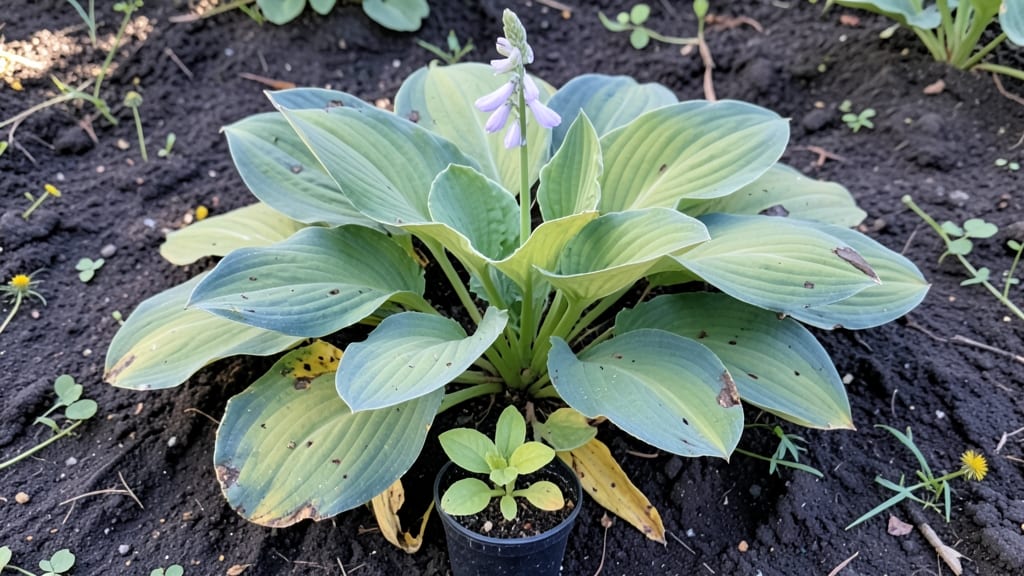
Hostas can be planted in full sun—but only if you’re ready for leaf scorch and crispy edges 🌿. That’s right, these shade-loving stars actually hate baking in direct rays, especially in hotter climates like USDA Zone 6a.
Hostas are beloved for their lush foliage and low-maintenance nature—but did you know exposing them to full sun can turn their leaves into crispy, browned messes? The truth about hostas in sunny spots might surprise you.
Most gardeners assume hostas thrive in partial shade, but even 4-6 hours of morning sun can stress them out. Without proper shade, their leaves lose moisture fast, leading to yellowing, browning, or even curling.
The good news? With the right tricks—like choosing sun-tolerant varieties or adjusting soil moisture—you can grow them in sunnier spots.
In this guide, I’ll break down the science behind leaf scorch, share regional shade strategies, and reveal which hosta types actually handle full sun. Ready to save your hostas from sun damage?

How full sun damages hostas: the science behind leaf scorch
Hostas thrive in shady spots, but when exposed to full sun, their delicate leaves undergo a dramatic transformation. The chlorophyll in their cells begins to degrade under intense UV radiation, causing the vibrant green to fade into unsightly yellows and browns.
This isn't just cosmetic—it's a sign of cellular stress that weakens the plant over time.
Even worse, full sun accelerates moisture loss through the leaves. Hostas have thick, fleshy foliage that stores water, but prolonged exposure to direct sunlight forces them to transpire rapidly. Without adequate hydration, the leaf edges start to curl and crisp, resembling the texture of overcooked pasta.
This process is called leaf scorch, and it's a clear warning sign that your hostas are struggling.
🌿
⚠️ Hostas in Full Sun: A Recipe for Disaster
Hostas cannot thrive in full sun—period. While some gardeners might argue that certain varieties tolerate afternoon shade, even 2-3 hours of direct sunlight can trigger leaf scorch in hot climates.
The UV index above 6 (common in summer afternoons) is particularly damaging, causing oxidative stress that leads to permanent leaf damage.
Key damage indicators: Brown, crispy edges, yellowing between veins, and a leathery texture. If you see these signs, your hostas are already suffering from sunburn, and the damage may not be reversible.
The science behind this damage starts at the cellular level. Hostas have thin, waxy cuticles that protect their leaves, but these aren't designed to handle the intense heat of full sun. When temperatures rise above 85°F (29°C), the stomata (tiny pores on leaves) close to prevent water loss.
This closure also blocks gas exchange, starving the plant of carbon dioxide needed for photosynthesis.
Over time, this creates a feedback loop of decline: less photosynthesis means weaker growth, and weaker growth means less ability to repair sun-damaged cells. The result? Stunted foliage, reduced flowering, and a hosta that looks more like a sad, browned mess than the lush, green plant you planted.
Even if you water more frequently, you can't outpace the physiological stress caused by full sun exposure.
🪴
One of the most common misconceptions is that hostas can "toughen up" in full sun over time. Unfortunately, that's not how plants work. Unlike succulents or xeriscapes, hostas lack the adaptive mechanisms to handle prolonged sun exposure.
Their root systems aren't deep enough to access water during heatwaves, and their leaves aren't thick enough to reflect sunlight effectively. This makes them particularly vulnerable in hot, dry climates like the Southwestern U.S. or Mediterranean regions.
If you've already planted hostas in full sun, don't panic—there are ways to mitigate the damage. Start by providing afternoon shade using a lightweight shade cloth (30-50% shade) or by planting them near taller perennials like ferns or astilbes.
You can also mulch heavily with organic matter to retain moisture and reduce soil temperature. However, these measures are band-aids, not solutions. For long-term health, hostas belong in partial shade.
💧
For gardeners in cooler climates (like the Pacific Northwest or New England), hostas might tolerate morning sun with afternoon shade. The key is limiting exposure to peak sunlight hours (10 AM to 4 PM).
Even then, monitor your plants closely for signs of stress, such as yellowing leaves or stunted growth. If you notice these early warning signs, act quickly by pruning damaged foliage and increasing watering frequency.
Finally, remember that hostas are not desert plants. They evolved in woodland understories, where they received dappled sunlight and high humidity.
Recreating these conditions in your garden—whether through shade structures, companion planting, or microclimate adjustments—is the best way to keep your hostas looking their best. When given the right conditions, they'll reward you with glossy, vibrant leaves and showy blooms for years to come.
☀️
Best sun exposure for hostas: partial shade strategies by region
Hostas thrive in partial shade, but the ideal conditions vary dramatically by region. In the Pacific Northwest, morning sun with afternoon shade works perfectly, while Southern U.S. gardens need afternoon shade to prevent leaf scorch. Understanding your microclimate is key to keeping hostas lush and healthy year-round.
Your USDA hardiness zone and local climate play huge roles. For example, Zone 5-7 gardens often handle morning sun better, while Zone 8-10 areas need afternoon shade protection.
Even within a single yard, north-facing spots stay cooler than south-facing ones—this can mean the difference between thriving hostas and crispy, browned leaves.
🚨 summary table 🚨
| Region | Best Sun Exposure | Microclimate Tips |
|---|---|---|
| Pacific Northwest | Morning sun (3-4 hrs), afternoon shade | Use tall trees or structures for shade; mulch heavily to retain moisture. |
| Southern U.S. (Zone 8-10) | Afternoon shade only (2-3 hrs max sun) | Plant near east-facing walls; avoid west/south exposure. |
| Midwest (Zone 5-7) | Partial shade (4-6 hrs filtered light) | Dappled shade from deciduous trees works best; avoid full sun. |
| Mountain Regions (Zone 3-6) | Full shade to partial shade (2-4 hrs sun) | Cold winds increase stress; protect with windbreaks and mulch. |
In hot, dry climates, hostas need afternoon shade to prevent rapid moisture loss. I’ve seen hostas in Arizona gardens thrive under palm trees or near west-facing walls with shade cloth. Even 30% shade cloth can make a difference in summer months, reducing leaf scorch by up to 70%.
For cooler regions, like the Pacific Northwest, morning sun is ideal because it warms the soil without the intense heat of afternoon rays. I’ve planted 'Patriot' hostas in Seattle gardens with 3-4 hours of morning sun and they’ve stayed vibrant all season.
The key is observing how your hostas react—if leaves start yellowing, they’re getting too much sun.
Adjust your hosta placement based on seasonal changes too. In spring, when sun is less intense, you can give them more light. But by summer, move them to shadier spots or use lightweight shade cloth if needed.
I’ve even used reflective mulch to redirect harsh sunlight away from hosta crowns in Southern California.
Pro tip: Mulch deeply (3-4 inches) to keep roots cool and retain moisture. I’ve seen hostas in full sun with proper mulching survive better than those in partial shade without it. Combine this with regular watering (deep soaks every 2-3 days in heat) and your hostas will stay lush.
🌿 Remember, every garden is unique—experiment with placement and watch your hostas respond. With the right partial shade strategy, you’ll enjoy their stunning foliage for years without the stress of leaf scorch.